
Why Your Skin Feels Tender After Waxing (And When That’s Not Normal)
If you’ve ever left a waxing appointment and thought, “Okay… this feels a little more intense than I expected,” you’re not alone.
One of the most common questions clients ask, sometimes out loud, sometimes just in their head, is: “Is waxing supposed to hurt after?”
Short answer:post-wax reactions like tenderness are completely normal
Longer answer: There’s a difference between expected post-wax sensitivity and something that deserves a closer look. And if you’ve ever experienced skin soreness after waxing or wondered why certain areas feel more sensitive than others, it helps to understand what’s actually going on.
At The Waxing Collective, we talk about this with clients all the time. While waxing is a routine service, your skin is still responding to a very real process. And knowing what’s normal (and what’s not) can make the entire experience feel a lot less stressful.
It’s also worth saying that most people don’t talk about this part openly. They’ll mention the moment of the wax itself, but not the quiet few hours afterward when your skin feels a little more sensitive than expected. That doesn’t mean something is wrong. It just means your skin is responding in a very normal, very human way to something new.
Let’s walk through it in a way that actually makes sense.
Why Skin Feels Tender After Waxing
Waxing isn’t just removing hair from the surface; it’s pulling it directly from the root. That matters.
Every hair sits inside a follicle, and when we remove it with wax, we’re creating a small, controlled disruption at that follicle. It’s not damage in the harmful sense, but your body absolutely notices it.
That’s where tender skin after waxing comes from.
A few things are happening at once:
First, your nerve endings react. The skin has a network of tiny nerve endings, especially in areas like the bikini line, underarms, and face. When hair is removed from the root, those nerves register it immediately.
Another thing to keep in mind is that your body doesn’t really separate “cosmetic” from “physical.” To your skin, this is still a stimulus. So even when the waxing is done correctly and efficiently, your body is still going to respond like, “Okay, something just happened here.” That response is what you’re feeling, not damage, but awareness.
Second, there’s a mild inflammatory response. Your body sends extra blood flow to the area as part of its natural healing process. That’s why skin might feel warm, slightly swollen, or sensitive to touch.
And third, the top layer of your skin gets temporarily disrupted. Even with the best technique, waxing removes not just hair but also some dead skin cells. That can leave the area feeling more exposed for a short time.
Put all of that together, and it makes sense why pain after waxing is a question that comes up so often.
Different Types of Post-Wax Tenderness
Not all soreness feels the same, and the timing can tell you a lot about what your skin is experiencing.
Immediate soreness (same day)
This is the most common type.
Right after your appointment, your skin may feel:
Warm
Slightly swollen
Sensitive to touch
A little “raw”
For some people, it’s barely noticeable. For others, especially in more sensitive areas, it can feel more intense.
This is your skin reacting in real time to the hair removal process.

Next-day tenderness
Sometimes the discomfort doesn’t peak until the next day.
You might wake up and think:
“Why does this feel more noticeable today?”
“I didn’t expect this part.”
This happens because the inflammatory response can build slightly before it settles. It’s still considered normal, especially if it starts easing after that first 24-hour window.
Lingering sensitivity
A mild level of tenderness that sticks around for a couple of days isn’t unusual either.
This might feel like:
Sensitivity when clothing rubs the area
Slight soreness when touching the skin
A general awareness of the area (without sharp pain)
As long as it’s improving and not getting worse, it’s usually part of the normal healing process.
Sometimes clients expect the feeling to be exactly the same each time, but it can vary slightly depending on your cycle, stress levels, hydration, and even how well you slept the night before. Skin isn’t static. It reacts based on what’s going on internally too. So a little variation doesn’t automatically mean something went wrong.
What’s Actually Happening Under the Skin
This is the part most people don’t think about, but it explains everything.
When hair is removed from the root, the follicle experiences a small amount of controlled trauma, part of what your skin is doing in the first 24 hours after waxing. That sounds intense, but it’s actually what makes waxing effective. The follicle has to release the hair completely.
Your body responds by:
Increasing blood flow to the area
Sending signals to begin repair
Calming the follicle back down
That’s the inflammation response, and it’s temporary.
At the same time, your skin barrier, the outermost layer that protects against irritation, is slightly compromised. Not damaged, but more vulnerable for a short period.
This is also why freshly waxed skin can feel more reactive than usual. It’s not just about the hair removal; it’s that your skin is temporarily more “open” to outside factors. That’s why something as simple as heat or sweat can suddenly feel exaggerated compared to normal.
So when clients describe waxing irritation pain, it’s often not the waxing itself; it’s how the skin reacts in the hours after.
When Tenderness Is Completely Normal
Let’s make this really clear, because this is where most of the anxiety comes from.
Tenderness is considered normal when:
It feels like a dull or mild soreness
It improves within 24–48 hours
It doesn’t intensify over time
There’s no sharp or burning sensation
The skin looks slightly pink but not inflamed
This includes Brazilian wax soreness, which tends to feel more noticeable simply because that area has more nerve endings and more friction throughout the day.
A lot of clients quietly wonder if they’re “handling it worse than others,” but that’s rarely the case. Everyone’s skin reacts differently.
If the tenderness is fading and your skin is calming down, you’re right on track.
A good way to think about it is this: if your skin feels like it just needs a little time and a little gentleness, you’re within the normal range. Most post-wax tenderness doesn’t need intervention; it just needs patience.
When Tenderness Might Be a Problem
Now let’s talk about the other side, because not all discomfort should be brushed off.
There are certain signs suggesting something beyond normal post-wax sensitivity.
Watch for:
Pain that increases instead of improving
A sharp, stinging, or burning sensation
Skin that feels hot to the touch hours later
Significant swelling
Visible irritation that looks more intense than mild redness
This kind of reaction isn’t typical for post-waxing pain in normal situations.
It could be related to:
Skin sensitivity
Product irritation
Over-exfoliation before the appointment
Or, in rare cases, improper aftercare
If something feels off, trust that instinct. Your skin doesn’t usually break out without a reason.
Why Some Areas Feel More Tender
Not all parts of your body react the same way, and that’s completely normal.
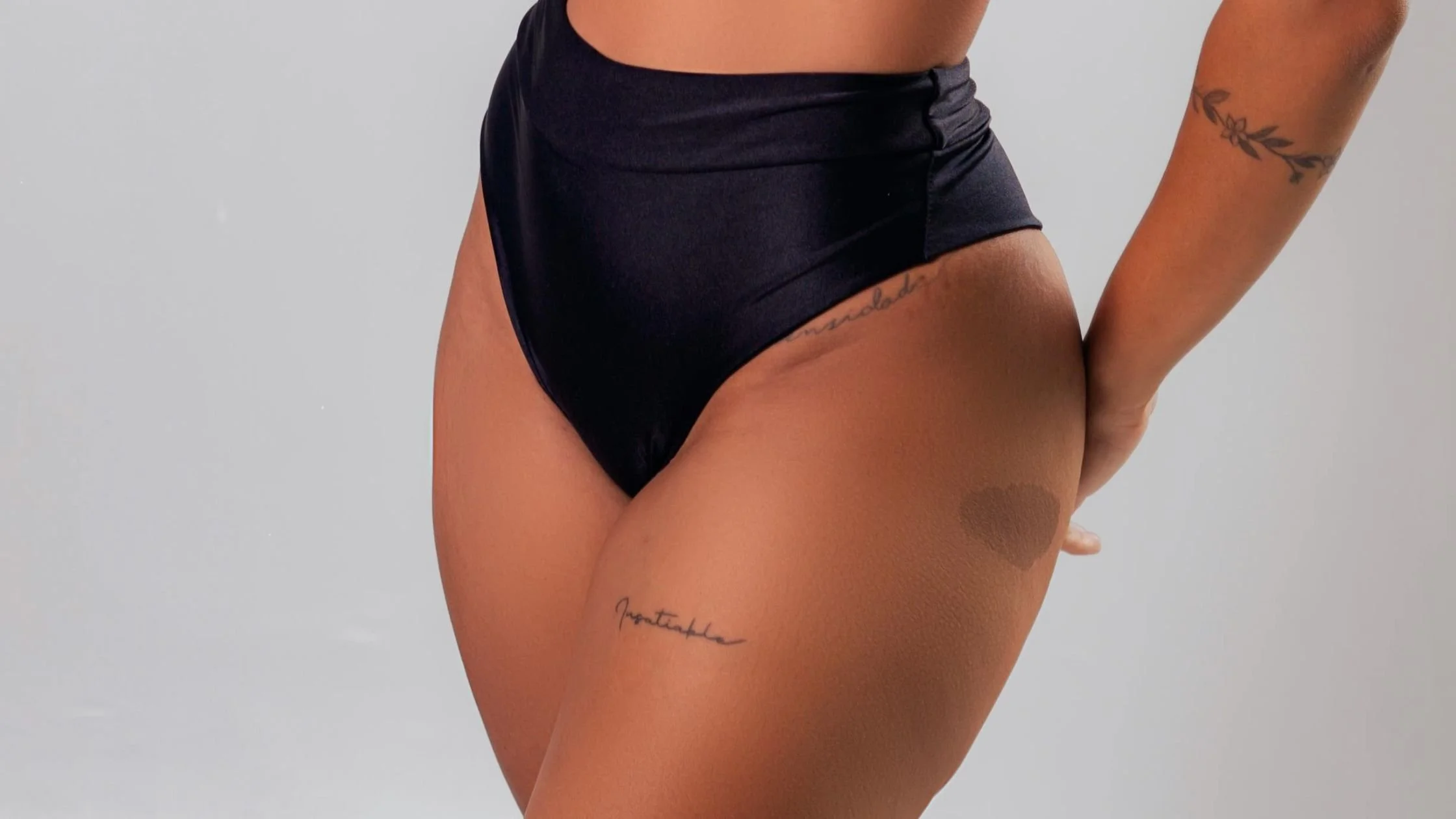
Bikini / Brazilian area
This is where most people notice the most sensitivity.
Why?
The skin is thinner
There are more nerve endings
There’s constant friction from clothing
Brazilian wax soreness tends to be more intense, especially during your first few appointments.
Underarms
Underarms can also feel surprisingly tender.
This area:
Holds moisture
Experiences friction
Has a lot of movement
Even a small irritation can feel amplified here.
Face
Facial waxing is a different kind of sensitivity.
The skin is more delicate, and even light redness or tenderness can feel more noticeable simply because it’s visible and exposed.
What Makes Tenderness Worse
Sometimes it’s not the waxing; it’s what happens after.
A few common things can make skin sore after waxing feel worse than it needs to:
Heat exposure
Hot showers, saunas, or even exposure to the sun can increase inflammation.
Friction
Tight clothing, especially in the bikini area, can irritate freshly waxed skin.
Working out too soon
Working out too soon after waxing can increase irritation, especially when sweat and friction are involved. This is one of the biggest reasons clients experience prolonged discomfort.
Product irritation
Using heavily fragranced lotions, scrubs, or active skincare products right after waxing can trigger extra sensitivity.
Over-touching the area
It’s tempting to check how your skin feels, but constant touching can keep the area irritated.
How to Reduce Tenderness After Waxing
The goal after waxing is simple: calm the skin and give it space to recover.
Here’s what actually helps.
Keep things cool
Cool compresses or soothing gels can help reduce inflammation quickly.
Wear loose, breathable clothing
Especially after a Brazilian or underarm wax, this makes a huge difference.
Avoid heat and friction
Skip hot showers, workouts, and tight clothes for at least 24 hours.
Be gentle with your skin
No scrubs, no harsh products, no unnecessary touching.

Hydrate and protect
A simple, gentle moisturizer can help support the skin barrier as it recovers.
Clients who follow these steps usually notice that their tender skin after waxing fades much faster.
How Long Should It Last)
This is the question everyone really wants answered: how long does waxing soreness last?
For most people:
Mild soreness lasts 24–48 hours
Slight sensitivity can linger up to 2–3 days
The skin should feel completely normal within a few days
If tenderness is:
Getting worse
Lasting longer than expected
Or feeling unusually intense
…it’s worth paying attention to.
But in most cases, your skin just needs a little time.
Why First-Time Waxing Feels Different
If your first appointment felt more intense than you expected, there’s a reason.
First-time waxing often comes with:
Thicker, stronger hair
Deeper roots
Skin that hasn’t experienced waxing before
That combination can lead to more noticeable waxing irritation and pain.
Over time, as you stay consistent with waxing:
Hair grows back finer
The root weakens
The process becomes easier on the skin
Clients are often surprised by how much better it feels after a few sessions.
How to Prevent Excess Tenderness Next Time
You can’t eliminate all sensitivity, but you can make a big difference.
Prep your skin properly
Avoid heavy exfoliation or irritating products before your appointment. Healthy skin handles waxing better.
Stay consistent with your schedule
Regular waxing leads to softer regrowth and less trauma to the follicle.
Follow aftercare instructions
This is where most people slip. The first 24 hours matter more than you think.
Communicate with your wax specialist
If you’ve had strong reactions before, let your specialist know. Adjustments can always be made.
A Final Reassurance
If your skin feels tender after waxing, you’re not doing anything wrong.
That slight soreness, that awareness of the area, even that moment of “okay, I definitely feel this”, it’s all part of the process.
What matters most is how your skin moves through it.
When tenderness fades, when your skin settles, when everything feels normal again, that’s your body doing exactly what it’s supposed to do.
And the more consistent you are, the easier it becomes.
At The Waxing Collective, we see it every day: clients who start out nervous about pain or other normal concerns and, within a few visits, are completely comfortable with the process.
Your skin adapts. Your experience improves. And what once felt intimidating becomes routine.
There’s also something to be said for understanding your own skin over time. The more you pay attention to how it reacts, the easier it becomes to know what’s normal for you. And that confidence makes a big difference in how you experience waxing overall.
If you ever have questions about what you’re feeling, whether it’s Brazilian wax soreness, lingering sensitivity, or just uncertainty about what’s normal, that’s what we’re here for.
Because good waxing isn’t just about the result.
It’s about how your skin feels every step of the way.
