
Bumps, Redness, and Irritation After Waxing: What’s Normal and What’s Not?
Let’s get this out of the way: bumps happen. Redness? Oh, she shows up fashionably early. Irritation? A classic party crasher. But before you swear off waxing forever and retreat into a cave of fuzzy limbs, let’s walk through what’s actually happening to your skin, what’s normal, what’s not, and how to get your glow back without panic-Googling "why do I get bumps after waxing" at 2 a.m.
What Happens to Your Skin Right After Waxing
Your skin is reacting to an ambush. Right after a wax, your body kicks into defense mode. Think histamines, heat, and a little drama. Let’s break down what happens in those first few hours.
Why Redness And Bumps Show Up So Fast (Histamine Response)
If your skin flushes red faster than your crush replying "k" to a long message, you’re not alone. Waxing triggers your body’s histamine response, a natural defense mechanism against perceived trauma. When hair is yanked from the root, tiny blood vessels dilate, and histamines rush in. Result? Redness, mild swelling, and maybe even a few bumps within minutes. It’s your immune system saying, "Whoa, what just happened here?"
Is Redness Normal After Waxing?
Yes, post-wax redness is completely normal, especially in the first few hours. It’s your skin’s built-in inflammatory reflex, a natural response to the sudden removal of hair from the follicle. Redness should be diffuse (not blotchy), fade gradually, and stay cool or slightly warm to the touch. If it intensifies, becomes painful, or is still prominent after 48 hours, it may be more than just a normal reaction, especially if accompanied by swelling or heat.
What Causes Irritation After Waxing?
Post-wax irritation doesn’t come from just one source; it’s usually a combination of factors. Common triggers include overly hot wax, double-dipping applicators, skipped pre-wax cleansers, and harsh pulling techniques. But even aftercare can sabotage results: tight clothing, sweat, and friction against freshly waxed skin keep the inflammation going. Think of irritation as a domino effect; once one factor falls, others pile on fast.
How Do Wax Temperature And Technique Affect Your Skin’s Response?
Technique and temperature shape your skin’s fate, especially if you’re prone to sensitivity. If wax is too hot, it can cause surface burns or micro blistering. If it’s too cool, it won’t grip properly, leading to repeated passes over the same area, which increases trauma. A trained esthetician will remove hair in the direction of growth using the fewest passes necessary. Bad technique creates microtears, bruising, or post-wax inflammation that can last for days.
Why Some Skin Types React More Than Others
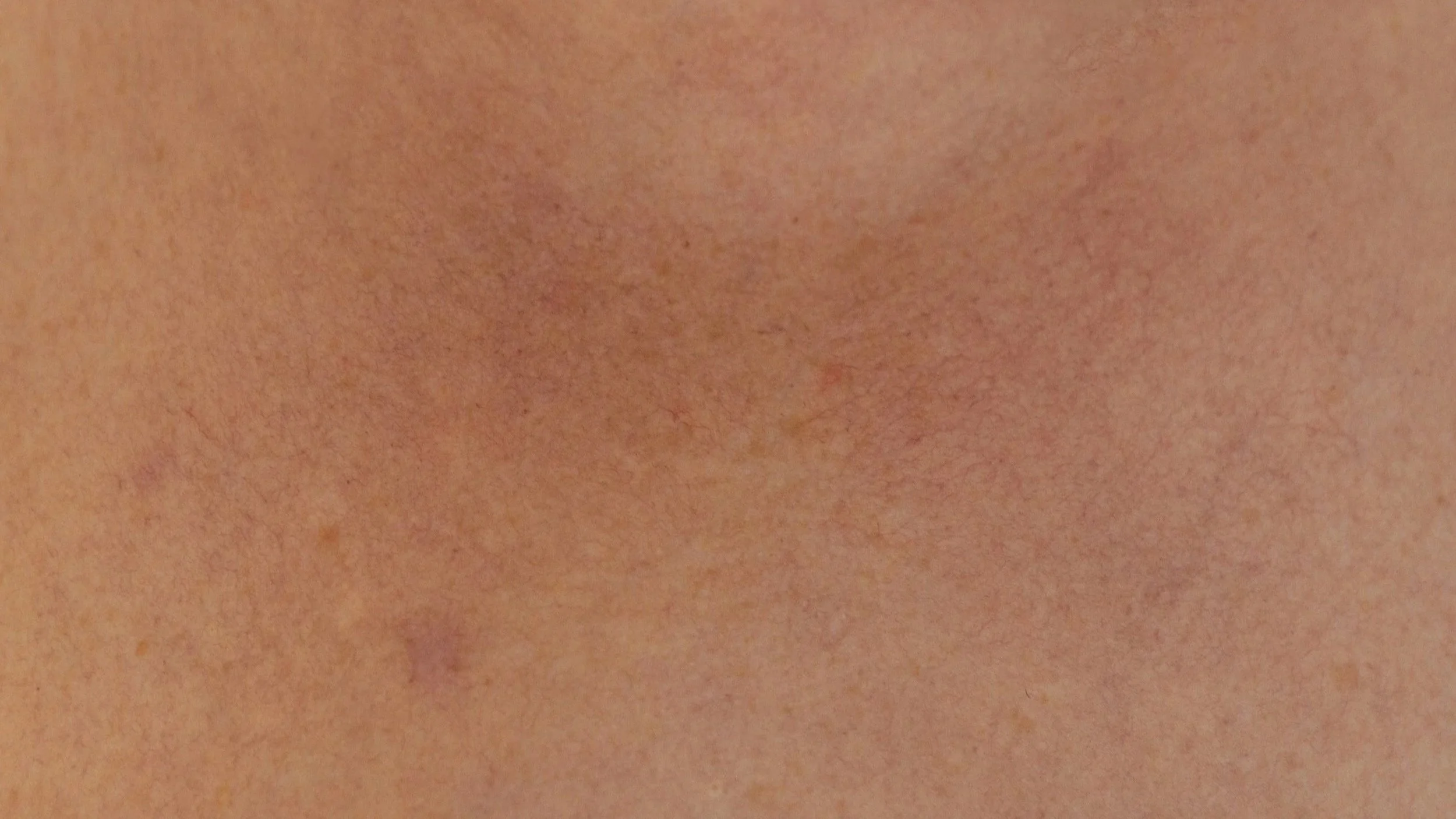
Not all skin plays fair. Some throw a tantrum the second wax touches down. Others shrug it off. If your skin seems extra dramatic post-wax, there’s a good reason, and no, it’s not just being sensitive for attention. This is especially common in drier or warmer climates like San Jose, where skin already faces more environmental stress before it even hits the wax table.
Why Oily Skin Might Break Out More (Sebaceous Glands Explained)
If your skin is naturally oily, it’s producing excess sebum even right after your wax. This oil can mix with sweat, product residue, or bacteria, especially if you’re wearing occlusive clothing or skipping post-care hygiene. The result? Clogged follicles, whiteheads, or acne-like bumps, particularly in high-sebum zones like the back, chest, or bikini line. This isn’t sabotage or poor hygiene, but a sebaceous system working overtime on an already-stressed surface.
How Does Sensitive Skin Respond Differently To Waxing?
Sensitive skin treats waxing like a full-blown emergency. Its threshold for inflammation is lower, which is why waxing with sensitive skin requires extra care, slower pacing, and barrier-focused aftercare. Its threshold for inflammation is lower, meaning redness, stinging, and swelling show up faster and stick around longer. That’s not weakness, it’s biology. Sensitive skin types often have thinner stratum corneum layers and more reactive nerve endings, making them more prone to post-wax trauma. The solution? Gentler wax, longer intervals, barrier-repairing aftercare, and absolutely no active ingredients leading up to your appointment.
Should I Avoid Waxing If I Have Eczema Or Rosacea?
It depends, but proceed with caution. Both eczema and rosacea compromise the skin barrier, making waxing riskier. Even gentle waxing can lead to flare-ups, dryness, or worsening inflammation. This doesn’t mean you’re excluded forever; it just means patch testing, full transparency with your esthetician, and possibly sticking to non-flaring zones. The rule is: If your skin is mid-flare, wait. If it’s stable, prep it gently and proceed slowly.
How Does Your Skincare Routine Before Waxing Change The Outcome?
Your pre-wax skincare can either protect your skin or prime it for a reaction. Avoid retinoids, chemical exfoliants, benzoyl peroxide, or other actives for at least 3–5 days before your wax. These ingredients thin the skin and increase the risk of tearing or sensitivity. On the flip side, gentle exfoliation a day or two prior can help prevent ingrowns, and hydrating regularly makes your skin more resilient. Think of it as prepping a canvas; soft, clean skin responds best to waxing.
How to Tell If Your Skin’s Reaction Is Normal or Not
Is it just a phase, or is your skin crying for help? Knowing what’s normal post-wax irritation versus a red-flag reaction can save you from spiraling into a WebMD doom scroll. Here’s how to read your skin’s signals.
How Long Do Bumps Last After Waxing?
Mild post-wax bumps are common, but they have a deadline. If your skin is still bumpy beyond 48 hours, that’s no longer typical irritation; it’s a sign that your skin barrier is struggling to recover. Normal post-wax follicular swelling fades within two days. If it lingers into day three or spreads beyond the waxed area, check in with your esthetician or switch to soothing treatments and barrier repair immediately.
What’s The Difference Between Irritation And Infection Post-Wax?
Post-wax irritation usually stays red, flat, and warm to the touch, but it shouldn’t change much hour to hour. If you’re noticing new pus-filled bumps, visible whiteheads, deepening pain, or redness that starts to spread, you may be dealing with folliculitis or another type of bacterial infection. The difference? Irritation whispers. Infection escalates. When in doubt, stop all active skincare and call a professional.
Is It Folliculitis Or Just Inflamed Pores Trying To Heal?
Folliculitis often mimics razor burn or acne, but don’t be fooled. It happens when bacteria enter hair follicles through tiny post-wax openings. Unlike minor irritation, folliculitis tends to cluster, sting, and worsen instead of fade. You may see pus-filled bumps, soreness, or even feel a hot patch around the area. If your skin feels more “infected” than “sensitive,” don’t self-diagnose, get confirmation from your esthetician or a board-certified dermatologist.
What Kind Of Skin Reactions Are Not Normal After Waxing?
Some reactions are completely outside the “normal recovery zone.” If you notice blistering, open wounds, bleeding, unusual discoloration, or rashes that spread instead of settle, that’s your skin’s distress signal. These symptoms can point to severe irritation, chemical burns from pre- or post-wax products, or even an underlying infection. The Mayo Clinic’s guide to contact dermatitis breaks down what might be happening when your skin suddenly freaks out.
When You Should Call Your Esthetician or a Dermatologist
There’s a point when DIY stops being cute and starts being risky. If your skin’s throwing red flags (literally), don’t guess, get help. Here’s when it’s time to call in the pros.
What Are The Signs Of An Allergic Reaction To Wax?
Itchy welts, burning, widespread rash, or hives appearing hours after waxing could indicate an allergic response, especially if the wax contained fragrance, resin, or essential oils. In rare cases, symptoms may escalate to throat tightness or trouble breathing, which requires immediate medical attention. Never assume your reaction is just “sensitivity” if it’s spreading or intensifying. Contact a professional right away.
Can Bacteria Enter Your Skin After Waxing?
Yes, and it happens more easily than most realize. After waxing, your skin is temporarily porous, and tiny follicles stay open for hours. If you touch the area with unwashed hands, wear tight clothing, or sweat heavily post-wax, bacteria can enter and lead to infection. Prevent this by keeping the area clean, dry, and hands-off for at least 24 hours. This is one of the most preventable causes of post-wax breakouts.
Are Recurring Bumps A Sign You Should Stop Waxing Altogether?
If every wax ends in bumps, discoloration, or infections, your skin may be trying to tell you it’s had enough. Chronic post-wax trauma can lead to post-inflammatory hyperpigmentation, scarring, or long-term barrier damage. Some skin types, especially if prone to keratosis pilaris or a sensitive immune response, simply don’t respond well to waxing. In these cases, switching to gentler methods like laser might be the better long-term option.
Should I Bring My Own Wax To Avoid a Bad Reaction?
Not really. While the idea of bringing your own wax sounds proactive, most licensed estheticians won’t (and shouldn’t) use products they didn’t source themselves. They have no way of verifying how it was stored, whether it’s been contaminated, or if it meets professional standards. If you’ve had bad reactions in the past, the better move is to talk openly with your waxer beforehand. Let them know you’re sensitive to things like fragrance, rosin, or certain preservatives. Your skin deserves tailored care, but that starts with a trained hand and trusted products, not a mystery tub from Amazon.
If you’re still weighing your options, the American Academy of Dermatology’s hair removal breakdown covers how waxing stacks up against other methods when it comes to irritation, safety, and long-term results.
How to Calm, Soothe, and Heal Post-Wax Skin
Your skin’s been through it. Now’s the time to baby it back to health, not attack it with every product on your shelf. These recovery moves are gentle, smart, and actually work. The more still and protected your skin stays in the first 24 hours, the faster it calms down, especially if you already know a few basics about how to calm your skin after waxing.
How To Soothe Skin After Waxing
Your skin is in recovery mode immediately after a wax. The goal is to both relieve discomfort and support your body's repair cycle. For the most part, leaving your skin alone will allow your body to regulate back to baseline, and you'll be fine. But if you feel soreness, you can begin with a clean, damp, cool compress (not ice directly on skin), which helps reduce swelling and calm the nerves. After that, apply a gentle, fragrance-free lotion, pure aloe vera gel, or a post-wax serum designed to restore the skin barrier. Avoid anything that generates heat or friction: hot showers, tight clothing, workouts, or rubbing. The more still and protected your skin stays in the first 24 hours, the faster it calms down.
Which Ingredients Help Post-Wax Recovery And Which Ones Make It Worse?
Your skin is looking for stability. Support it with ingredients known to soothe, not stimulate. The helpful list includes aloe vera, chamomile, calendula, niacinamide, and panthenol, all of which reduce inflammation and aid skin barrier repair. Avoid alcohol, menthol, fragrance, and most essential oils, which can aggravate raw or sensitized skin. Even “natural” or “organic” doesn't mean safe. What matters is whether the ingredient helps calm the dermis or inflames it further.
Why Does Post-Wax Recovery Take Time, And What’s Actually Happening Under The Skin?
What you see as redness or tiny bumps is part of a deeper biological cycle. After waxing, your skin enters what dermatologists call the dermal inflammation cycle, a multi-phase process involving micro-swelling, immune cell activity, and tissue rebuilding. It’s your body sending repair signals to the hair follicle openings that were just disrupted. This process typically takes 48 to 72 hours to complete. Rushing it, by exfoliating, using actives, or applying heat, interrupts healing and can trigger longer-term irritation or discoloration. Respect the timeline. It’s not weakness; it’s recovery in progress.
What Aftercare Routines Reduce Future Irritation
Skip the gym, wear loose clothes, hydrate, and use a gentle barrier cream. A solid post-wax routine plays a big role in reducing inflammation and in preventing ingrown hairs after waxing, especially in high-friction areas, and that dreaded "why do I get bumps after waxing" spiral.
What to Keep in Mind Going Forward
Your skin’s latest meltdown might not be random. From formula tweaks to timing shifts, small changes can lead to major results.
Is Shaving Between Waxes Making Things Worse?
Yes, more than most people realize. Shaving disrupts the natural hair growth cycle that waxing relies on. When you shave between appointments, you create staggered regrowth, making it harder for wax to catch hairs evenly in the next session. This increases the risk of patchy results, ingrown hairs, and inflammation. If smooth, long-lasting results are your goal, skip the razor completely and commit to your waxing rhythm.
Should I Switch Wax Formulas For Better Results?
Maybe. While soft wax and hard wax are definitely cousins in the hair removal family, neither is universally “better.” It all comes down to compatibility. Just like some skin types prefer a lotion-based moisturizer over a cream, your skin might respond more calmly to soft wax, or it might love the gentler pull of hard wax. If you’re feeling raw, reactive, or just not getting the results you want, it might not be your skin’s fault. It could be the formula. Talk to your esthetician about what they’re using and whether a swap could make all the difference.
When To Consider Laser Instead Of Waxing
If you’re dealing with constant skin flare-ups, dark spots, or repeated folliculitis, waxing might be working against your skin health. Laser isn’t for everyone, but if your skin is struggling to recover after every session, it’s time to consider a longer-term strategy. Laser treatments reduce hair density over time, which means less trauma, fewer appointments, and better predictability. For people with ultra-sensitive skin or post-inflammatory hyperpigmentation, this shift can be a skin-saving investment.
How To Personalize Your Waxing Schedule Based On How Your Skin Reacts?
A fixed “every 4–6 weeks” schedule works for people because their skin usually recovers on that timeline. For a small number of people, it doesn’t. You might still have sensitivity, dryness, or inflamed follicles well past that window. Start tracking how your skin responds after each session: How long does it stay red? When does irritation subside? These are suitable indicators of readiness. If your skin still feels unsettled, wait. A personalized schedule based on your own healing rhythm is the key to long-term comfort and better results.
Frequently Asked Questions
Still got questions? Totally fair. Post-wax reactions are confusing, and Google isn’t always helpful. Let’s clear up the most common questions.
Is It Normal To Have Red Bumps After Waxing?
Yes, and your skin’s trying to tell you it’s doing its job. Those bumps are part of a normal inflammatory response as your immune system rushes in to protect and repair after hair removal. Expect them to appear within minutes and subside within 24 to 48 hours. If they don’t ease by day three, your skin might be flagging a deeper issue. Yes, especially in the first 24 to 48 hours. It’s part of your skin’s inflammatory response.
How Can I Tell If My Skin Is Reacting Badly To A Wax?
Start by timing and texture. If redness lingers past 72 hours, or bumps start to feel painful, ooze, or spread, that’s not typical. Blisters, extreme itchiness, or skin discoloration could indicate an allergic reaction or infection. Your esthetician should be your first call; don’t wait until it worsens. Look for signs like pus, blisters, or persistent redness beyond 72 hours. If unsure, call your esthetician.
What’s The Fastest Way To Reduce Irritation After Waxing?
Cool the area immediately with a clean, soft compress, then apply a calming, fragrance-free gel like aloe vera. Keep the area clean and let it breathe, no leggings, no workouts, no problem. Scratching or applying heavy creams too soon can make things worse, not better. Cool compresses, gentle moisturizers, and absolutely no picking or scrubbing.
Should I Exfoliate If I Have Bumps After Waxing?
If you're noticing small bumps right after your wax, hold off on exfoliating for now. These bumps are often a sign of mild inflammation or follicular stress, and introducing friction, like scrubs or acids, can make it worse. Wait until your skin feels calm, not just looks better. If there’s no heat, tenderness, or visible swelling after 48 hours, that’s your cue to resume a gentle exfoliation routine to help prevent ingrown hairs going forward.
How Long Does Irritation Usually Last After Waxing?
Most post-wax irritation fades within 24 to 48 hours. That includes redness, mild sensitivity, or tiny goosebump-like dots around each follicle. If your skin is still angry, blotchy, or tender after the two-day mark, it may be reacting to more than just the wax, think allergic response, bacterial exposure, or improper aftercare. At that point, reach out to your esthetician or a dermatologist to rule out infection or contact dermatitis.
What Kind Of Skin Reactions After Waxing Should I Worry About?
Some reactions are completely outside the “normal recovery zone.” If you notice blistering, open wounds, bleeding, unusual discoloration, or rashes that spread instead of settle, that’s your skin’s distress signal. These symptoms can point to severe irritation, chemical burns from pre- or post-wax products, or even an underlying infection. Don't wait it out, pause all skincare products, and check in with a licensed provider to prevent long-term skin damage or scarring.
