
The Real Reasons You Still Get Ingrowns (Even When You Follow Every Rule)
Let’s get this out of the way: you’re not doing it wrong. You exfoliate. You moisturize. You follow your esthetician’s aftercare instructions like they’re sacred. And yet, there they are. The bumps. The redness. The deeply disrespectful ingrowns that show up anyway. You’re not imagining it, and you’re definitely not alone. These persistent bumps aren’t always the result of bad habits. Sometimes, it’s the skin itself, its unique biology, your hair texture, or even the friction from your clothes. This guide breaks down why those pesky ingrowns might still be crashing your post-wax plans, even when you swear you’ve done everything right.
Why Exfoliating Isn’t Always Enough to Prevent Ingrowns
Exfoliating is the go-to advice for avoiding ingrowns but it’s not a fix-all. If you’re still seeing bumps despite regular scrubbing, the issue might be deeper than dead skin. This section breaks down why exfoliation helps, but it can’t carry the whole load.
Exfoliation Timing and Why It Matters
Exfoliation is not a cure-all. Think of it more like a support act than the headliner. If you exfoliate too early, especially within the first 24 hours after waxing, you risk stripping an already-compromised skin barrier. That irritation doesn’t just sting, it creates inflammation that makes the skin swell slightly around the follicle. That swelling can trap the regrowth before it even surfaces, creating a perfect pocket for an ingrown. On the flip side, exfoliating too late means dead skin cells can build up and block hair from emerging properly. That’s why timing matters just as much as technique. For most people, the sweet spot is two to three days after waxing, once the redness has calmed and the skin has started to repair itself.
Exfoliation Acids vs. Scrubs: Which Is Better Post-Wax?
There’s no universal winner here, but there is a right choice for the right moment. Chemical exfoliants like glycolic acid, lactic acid, or salicylic acid work by dissolving the bonds between dead skin cells. That means no physical friction, which is ideal when your skin is still sensitive. Physical scrubs, even when labeled “gentle,” depend on pressure, and pressure on compromised skin can cause microtears, especially in areas like the bikini line or underarms. If you’re using a loofah like you’re trying to erase a bad tattoo, you’re doing more harm than good. For delicate zones, stick to chemical exfoliants that are specifically labeled for body use and non-irritating. For legs or less reactive skin, a soft scrub can work, but only after your barrier is fully recovered.
What Causes Ingrown Hairs Even After Exfoliating
Here’s the truth: Exfoliation is only one piece of the puzzle. Ingrown hairs can still happen, even with a flawless routine, because they’re influenced by a whole ecosystem of factors. Curly or coily hair types are naturally more prone to looping back under the skin. Waxing technique matters too: if the hair is broken rather than pulled from the root, the regrowth is often jagged or angled, which increases the chance it’ll curl inward. Pore congestion from heavy skincare products or environmental buildup can block emerging hairs as well. And inflammation from tight clothing or sweating immediately post-wax can swell the follicle opening, making it harder for the hair to emerge cleanly. So when you find yourself asking, “What causes ingrown hairs even after exfoliating?”, the answer often isn’t exfoliation at all. It’s the bigger picture: hair texture, waxing technique, pore environment, and what happens after your appointment that combine to make or break your bump-free result.
The Skincare Products That Might Be Making Things Worse
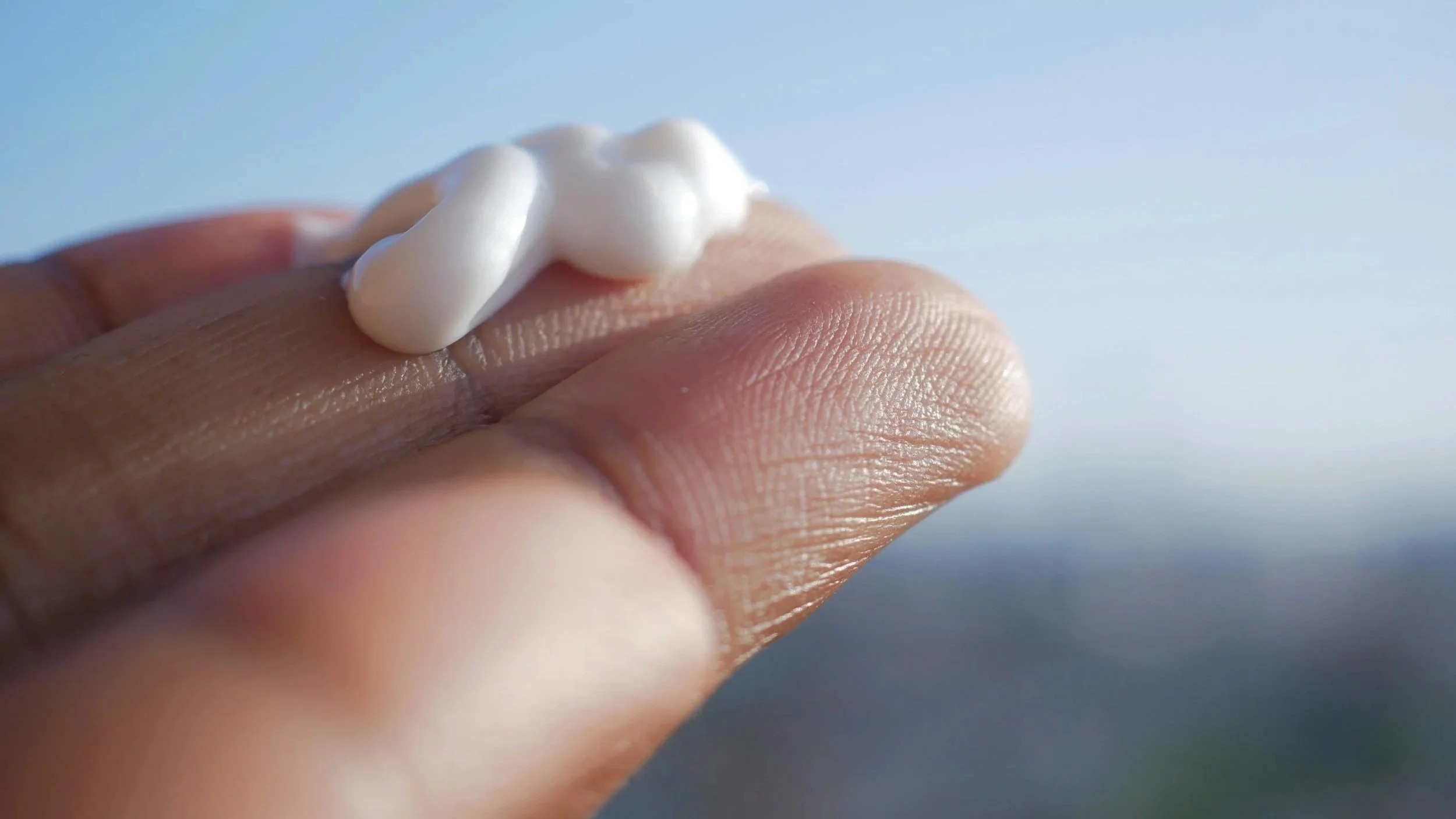
Sometimes it’s not what you’re doing, but it is what you’re putting on. Post-wax skin is extra vulnerable, and ingredients that normally play nice can suddenly cause chaos. Here’s how to check whether your products are sabotaging your skin.
Hidden Pore-Clogging Ingredients in Your Skincare
Your post-wax skin is more absorbent, more reactive, and far more vulnerable than usual, which makes ingredient choices suddenly matter a lot more than they did yesterday. Many skincare products include seemingly innocent ingredients like isopropyl myristate or coconut oil. While they might feel silky or smell great, they’re also known as comedogens. That means they can clog pores, seal in sweat, and trap bacteria, conditions that make it harder for new hairs to emerge cleanly from the follicle. When your barrier is already compromised from waxing, these pore-blocking ingredients can fast-track ingrown hairs before regrowth even starts. If your skin keeps breaking out or bumping up post-wax, your products may be to blame.
Are You Moisturizing or Smothering Your Skin?
There’s a difference between hydrating your skin and suffocating it. After waxing, your skin craves moisture, but not occlusion. Lightweight hydrators like hyaluronic acid, aloe vera, or panthenol replenish the skin’s moisture barrier without clogging follicles. Heavy balms, thick butters, or occlusive ointments, on the other hand, can sit on the skin like a sealed lid. That might feel soothing in the moment, but in sweat-prone or high-friction areas like underarms, bikini line, or thighs, it creates the perfect storm for bumps, trapped heat, and even infection. If you’re seeing more irritation when you think you’re doing everything “right,” consider the weight and layering of your products. Moisturizing should support healing, not smother it.
Is Your SPF Adding to the Problem?
Sunscreen is a non-negotiable for healthy skin, but not all formulas are post-wax-friendly. Many sport or water-resistant SPFs use occlusive bases like silicone or wax derivatives to stay put. That same stickiness that keeps them waterproof can also trap sweat, bacteria, and product residue against freshly waxed skin. When that happens, especially in areas like the face, chest, or shoulders, the result is often clogged follicles and breakouts. If your SPF leaves a heavy film or doesn’t claim to be non-comedogenic, it might be undermining your aftercare. Post-wax skin needs sun protection, but it also needs breathability. Look for mineral sunscreens with zinc oxide or titanium dioxide that are labeled for sensitive skin, especially if you’ve waxed recently.
How Post-Wax Inflammation Sets the Stage for Bumps
Redness is expected after a wax, but inflammation can directly contribute to ingrowns. This section explains how swelling affects follicle shape and why soothing skin quickly matters more than you think.
How Inflammation Changes Follicular Function
Every wax session causes microtrauma, even the gentlest kind. That trauma triggers inflammation, which is part of your body’s healing process. But inflammation changes how your follicles function. Swollen skin around the follicle can narrow the opening or shift the angle of regrowth. When that happens, instead of growing straight out, a hair might curl back into the skin or get blocked completely. Learning how your skin reacts underneath the surface helps explain why even a smooth-looking wax can lead to a hidden bump a few days later.
Could It Be Folliculitis Instead of Ingrowns?
It’s easy to confuse the two, but if you’re seeing bumps that look more like clusters of whiteheads, feel itchy, or spread beyond the waxed area, you might not be dealing with classic ingrowns at all. Folliculitis is a bacterial infection of the hair follicle that occurs when bacteria enter through microtears left behind by waxing. It thrives in conditions where skin is sweaty, occluded, or irritated, so heavy lotions, tight clothes, and poor hygiene can all be contributors. If your post-wax bumps are tender, pus-filled, or multiplying, don’t just assume it’s business as usual. You may need antibacterial treatment or to press pause on waxing until your skin is fully healed.
When Clothing Friction Becomes the Hidden Culprit
Sometimes the problem is your wardrobe. Tight fabrics like leggings, lace, or synthetic underwear can rub against freshly waxed skin, creating tiny amounts of trauma with every movement. That constant friction disrupts healing, traps heat and sweat, and pushes bacteria deeper into vulnerable follicles. Even the best aftercare routine can’t outdo the damage caused by abrasive seams or non-breathable materials. If your waxed skin keeps flaring up no matter what products you use, take a hard look at what you’re wearing afterward. Switching to soft, breathable fabrics for at least 24 to 48 hours post-wax gives your skin the space it needs to recover without interference.
What Hair Growth Direction and Curl Pattern Have to Do With It
Hair texture plays a huge role in how hair regrows after waxing. If you have curls or coils and keep getting ingrowns hairs, this section explains the connection and how to work with it, not against it.
Why Curlier Hair Types Are More Prone to Ingrowns
Curly or coily hair doesn’t grow in a straight line; it bends, spirals, and often loops back toward the skin. That makes it more likely to become trapped under the surface, especially when inflammation narrows the follicular opening. The tighter the curl, the higher the odds of misdirected growth. This is why people with Type 3 or Type 4 hair, particularly in high-friction areas like the bikini line or underarms, are more likely to struggle with frequent ingrowns. It’s not about bad technique, it’s about biology. Managing this risk requires tailored aftercare: consistent exfoliation, proper hydration, and post-wax strategies that reduce inflammation and friction.
Does Waxing Cause More Ingrown Hairs?
Not by itself. In fact, waxing removes hair from the root, which can reduce the likelihood of ingrowns over time. The real issue is often what happens afterward. Without proper post-wax care, especially consistent exfoliation and hydration, dead skin can block the follicle and trap new growth underneath. Waxing sets the stage but it’s your routine between appointments that keeps the bumps at bay.
What is the Connection Between Regrowth Patterns and Obstruction
Once waxing is over, the next risk point is regrowth. Hairs begin to re-emerge within days, but if the follicle opening is blocked by dead skin cells or leftover inflammation, the new growth has nowhere to go. Instead of pushing through the surface, the hair curls sideways or downward, leading to a bump or embedded hair. The angle of regrowth plays a huge role here; if your hair naturally lies flat against the skin, obstruction becomes even more likely. That’s why exfoliating after the initial healing period is critical. Done right, it clears the path for the hair to exit cleanly, reduces surface buildup, and minimizes the pressure that causes curls to turn inward.
Why Different Body Zones Need Different Aftercare
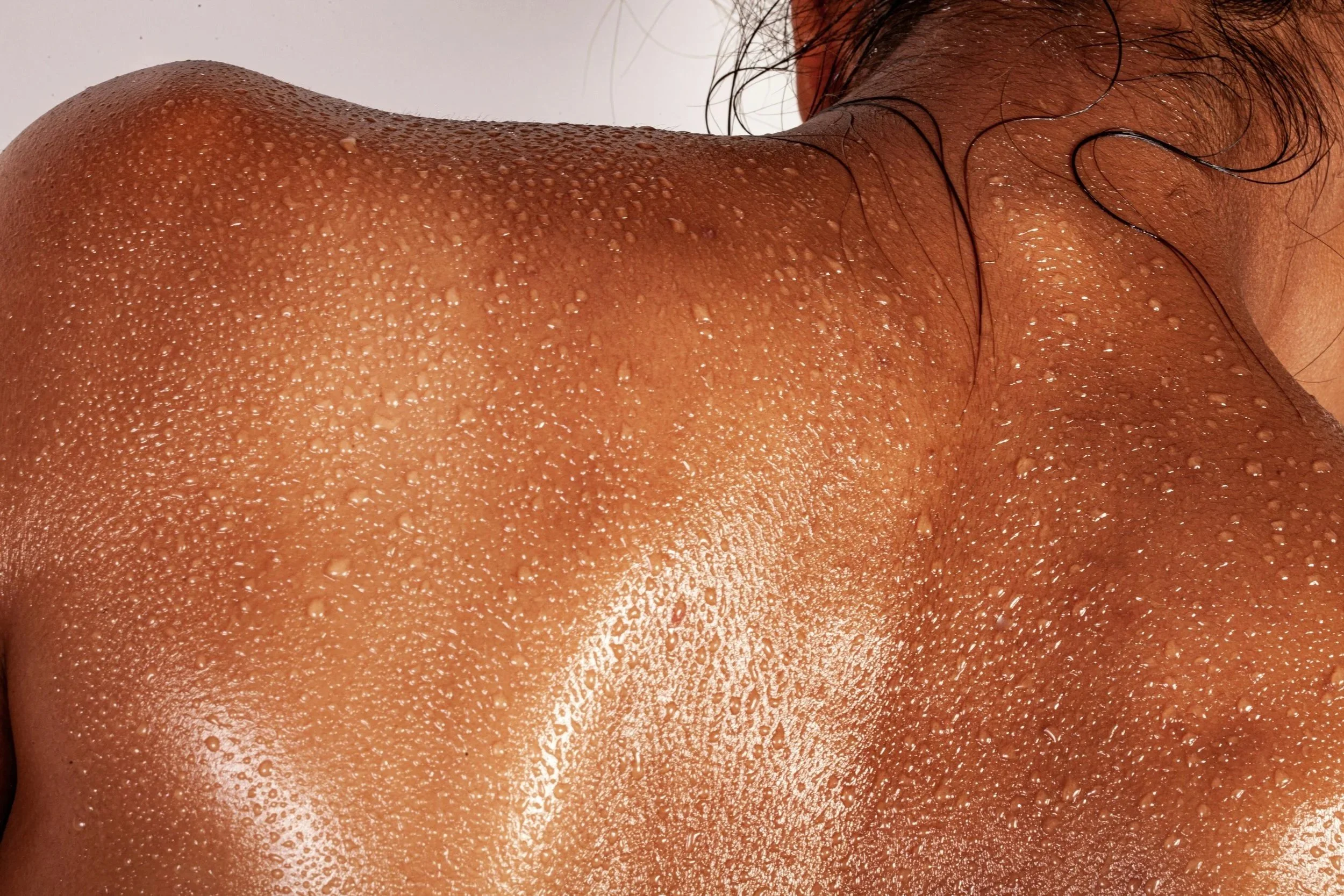
Your underarms are not your legs, and your bikini line is not your back. Each waxed zone has its own sensitivity, sweat level, and friction issues, and needs aftercare that matches. Here's how to stop treating all areas the same and avoid cross-zone mistakes.
Why Your Bikini Line Needs Special Treatment
The bikini line is a convergence zone for everything that makes waxing more intense: dense hair, delicate skin, friction, heat, and high sweat activity. That’s why this area reacts faster, heals slower, and is more prone to ingrowns than almost anywhere else. Treating it the same way you’d treat your legs or arms is a common mistake that leads to inflammation and long-lasting irritation. After waxing, the bikini line needs targeted support: cool compresses to calm inflammation, breathable cotton underwear to minimize friction, and a strict break from tight jeans or synthetic fabrics for at least 48 hours. Use products with minimal fragrance. No scented body butters or fancy oils. If you skip or rush this aftercare window, you’re setting the stage for clogged follicles, redness, and bumps that don’t go away quietly.
What are Body-Specific Aftercare Plans for Common Zones
Your skin’s needs vary dramatically depending on where the waxing happened. Legs are usually the most resilient; they can handle light exfoliation within 48 hours, provided the skin isn’t overly dry or sun-exposed. Underarms, however, have a completely different chemistry. With high sweat production and more active apocrine glands, they require antibacterial care, not just moisturizer. The bikini zone, being prone to friction and irritation, does best with chemical exfoliants like lactic or salicylic acid instead of physical scrubs. Your face, especially the upper lip or brow area, is ultra-sensitive; no retinol, no strong acids, no active skincare for at least three days. The back, often overlooked in terms of aftercare, can suffer from occlusion if you pile on too many layers of product.
Should I Exfoliate My Underarms the Same Way I Do My Legs?
Definitely not. The underarms and the legs live in totally different skincare universes. Underarms have more sweat glands, more friction from movement and fabric, and a higher concentration of bacteria. Legs can usually handle grainy scrubs or dry brushing because they’re less reactive and have fewer friction points. Underarms? Not so much. Scrubbing here can actually worsen irritation and trigger more ingrowns. Instead, opt for a gentle chemical exfoliant like glycolic acid pads or a lactic acid lotion designed for sensitive skin. If you apply the same exfoliation logic to both areas, you risk throwing off the skin’s microbiome and stripping protective layers, especially in a region that’s already prone to inflammation from shaving, deodorant, and tight clothing.
How Estheticians Identify and Treat Recurring Ingrowns
If ingrowns keep coming back, it’s time to go pro. Estheticians analyze skin patterns to figure out what’s really going wrong. This section shows how they diagnose trouble spots and build a custom prevention plan.
What Estheticians Look for During Skin Assessments
When a licensed esthetician evaluates your skin, they’re not just checking for visible bumps. They’re reading your skin like a map: identifying hair texture, growth direction, pore health, and how long post-wax irritation tends to last. They’ll ask about the products you’re using, whether you’re shaving between waxes, and how often you exfoliate. The goal is both soothe your skin after a wax and to also prevent that reaction from repeating. By gathering this information, estheticians can customize your prep, technique, and aftercare plan to minimize ingrowns and inflammation over time.
Skin Mapping for Estheticians: Trouble Spots Decoded
Recurring ingrowns rarely happen randomly. They tend to show up in the same places, in the same patterns, and often for the same reasons. That’s why estheticians use skin mapping to decode problem areas. They look for zones of chronic friction (like the bikini crease), areas where wax may not have been removed cleanly, or pores that show signs of consistent blockage. This process isn’t about blame, it’s about precision. By tracking which areas flare up and which stay clear, your esthetician builds a strategy that addresses cause.
How to Prevent Ingrown Hairs After Brazilian Wax
It starts before the wax even touches your skin. Clean, dry skin with hair trimmed to about a quarter-inch gives the wax the best chance to grip hair without pulling on the skin. Technique matters too: one clean pull in the direction of growth, not multiple reapplications in the same spot. Aftercare is the final pillar. That means breathable cotton underwear, no tight pants, and absolutely no touching or picking at the area. Wait three full days before introducing any exfoliation, and when you do, choose a gentle chemical exfoliant, not a scrub. This three-part approach, prepping your skin the right way, waxing technique, and smart aftercare, is the foundation of ingrown prevention.
What to Keep in Mind If You’re Still Struggling With Ingrowns
Tried everything and still getting bumps? Don’t give up just yet. Ingrowns are stubborn, but often it’s about doing the right combination. Here’s what to keep in mind if you feel like nothing’s working.
Best Routine to Avoid Post-Wax Ingrowns
There’s no magic product for preventing ingrown hairs, but there is a method that works. Start by exfoliating two to three times a week, but make sure you’re using acid-based products like glycolic or lactic acid rather than grainy scrubs. Follow that with a moisturizer that hydrates without clogging your pores, like a light ingrown oil. Wear loose, breathable clothing as often as possible, especially in the first 48 hours post-wax. And no matter how tempting, avoid picking at bumps or scratching the area. If you’ve been doing all this and still struggle with recurring bumps, the problem might be with your exfoliation frequency or the product type. Refining your routine is often the key to finally breaking the cycle.
When DIY Doesn’t Cut It Anymore
There’s a limit to what exfoliants and moisturizers can do, especially if you’ve been consistent and still aren’t seeing results. At some point, the issue moves beyond surface-level and becomes something that requires professional tools and training. That’s when it’s time to book with a licensed esthetician. They can perform extractions, apply enzyme-based treatments, or use high-frequency technology to reduce inflammation and kill bacteria. These interventions don’t just treat ingrowns, they reset the skin so future waxes don’t trigger the same response.
Can Shaving Before Waxing Cause More Problems?
Yes, and in more ways than one. When you shave, you blunt the edge of each hair, creating a thick, coarse tip that’s harder for wax to grip. That means more breakage, more passes, and less effective hair removal during your wax. Shaving also disrupts the natural growth pattern of your hair, making it more likely to grow sideways or curve back into the skin, prime conditions for ingrown hairs. If you’ve been shaving between waxes, you're not just delaying progress, but working against the results you want. To reset your skin and reduce ingrowns, you need to commit to one method and give the follicles time to sync up with that rhythm.
Frequently Asked Questions
Still confused why the bumps won’t quit, even when you’ve done everything “right”? You’re not alone. These are the most common questions we hear from clients dealing with post-wax mystery bumps, stubborn ingrowns, and skin that just refuses to cooperate. Let’s break it down.
Why do I still get ingrown hairs after waxing?
Because ingrowns are multi-causal, not just the result of one wrong move. Even if you follow every aftercare rule, you’re still dealing with four variables at once: how your skin heals, how your hair grows, what products you’re using, and whether your follicles are inflamed or congested. Some hair types, especially curly or coarse, are more likely to curl back into the skin. And if your post-wax pores get clogged or your skin stays inflamed, it creates the perfect storm for ingrowns to form.
Does exfoliating prevent all ingrown hairs?
No, and that’s a common misconception. While exfoliating is essential for keeping dead skin cells from trapping new hair growth, it’s not a cure-all. The type of exfoliant you use (chemical vs. physical), how often you use it, and whether your skin is inflamed or healed enough to handle it, those details matter. Over-exfoliating can actually backfire by irritating the skin and triggering more inflammation, which ironically makes ingrowns more likely. Think of exfoliation as one tool in a larger system, not the whole fix.
Can my skincare products cause ingrowns?
Yes, and often in ways you don’t realize. Post-wax skin is more porous and vulnerable, so applying thick, comedogenic lotions or oils can create a seal over your follicles. That seal traps heat, sweat, and sebum, which makes it harder for new hair to break through the surface, and that’s when it starts curling inward. Ingredients like mineral oil, coconut oil, or silicone-heavy formulas are common culprits. If you're experiencing persistent bumps after waxing, take a close look at your product labels. Swapping out one occlusive product for a lightweight, non-comedogenic moisturizer can make a dramatic difference.
Is it normal to get bumps after every wax?
Some minor bumps? Yes. Repeating breakouts or painful pustules every time? That’s a red flag. Bumps immediately after waxing can be part of your skin’s normal inflammatory response, especially if you have sensitive skin or coarse hair. But if you're seeing the same kind of reaction every time, especially if the bumps become pustules or linger for days, you’re likely dealing with folliculitis, blocked pores, or even an allergic reaction to a product. These are recurring waxing issues that aren’t normal and signal that your post-wax care routine may need serious adjustment.
What’s the best way to stop ingrown hair cycles?
You need to approach it like a system, not a single solution. First, exfoliate 2–3 times a week using a method that suits your skin: glycolic acid for rough skin, lactic acid for sensitive types, or an exfoliating towel. Second, switch to breathable clothing immediately after waxing to reduce heat and friction, especially in high-sweat zones like the bikini area. Third, ask your waxer for specific recommendations because they can suggest the best skincare products for your skin type.
