
Can You Get an Infection From Waxing? What’s Real, What’s Rare, and What Actually Prevents It
It’s one of those questions people don’t always ask out loud, but it’s definitely on their mind.
“Can waxing cause infection?”
Sometimes it comes up before a first appointment. Other times, it shows up afterward, when someone notices a bump or a little irritation and starts wondering if it’s something more serious.
If you’ve ever caught yourself checking your skin a little more closely after a wax, you’re not overthinking it. You’re just paying attention to your body.
And honestly, that’s a good thing.
When it comes to your skin, especially in more sensitive areas, you want clarity. You want to know what’s normal, what’s not, and whether waxing is actually safe.
So let’s talk about it in a real, straightforward way.
The honest answer is this: infection after waxing can happen, but it’s rare.
And when it does happen, it’s usually tied to specific conditions, not the act of waxing itself.
Most of the time, when people worry about waxing bacteria risk, they’re picturing something far more common than it actually is.
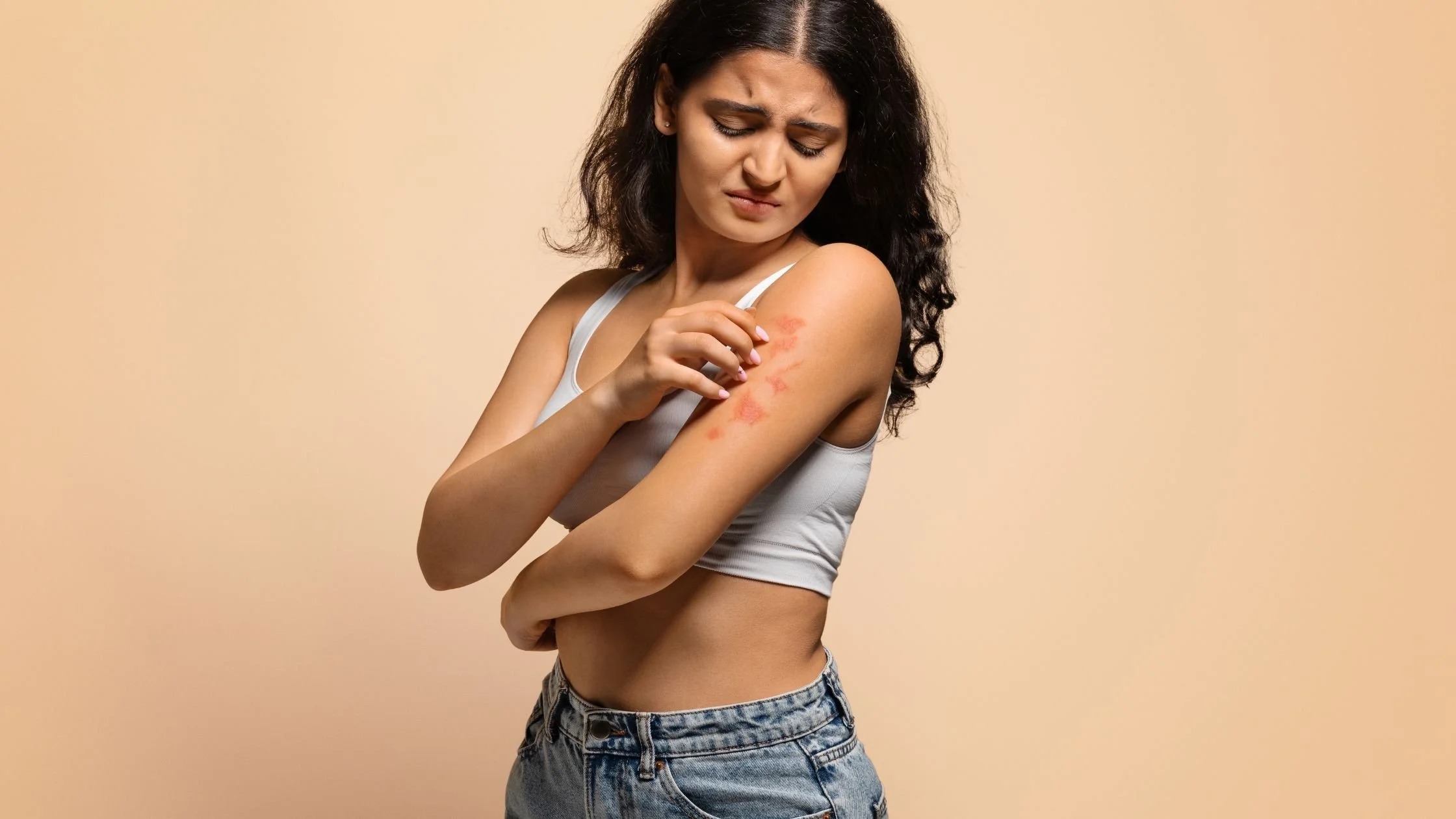
Can Waxing Actually Cause an Infection?
Technically, yes. But that answer needs context.
Waxing removes hair from the root, which means the follicle is briefly open afterward. Your skin is slightly more vulnerable in that moment, but that doesn’t automatically lead to a problem.
Your body handles small disruptions like this all the time without issue.
What tends to cause confusion is that normal post-wax reactions can look unfamiliar, especially if you’re new to waxing.
A little redness, small bumps, or sensitivity can make people wonder if something went wrong.
In most cases, those reactions are completely expected and temporary.
True infections behave differently. They don’t stay mild. They tend to worsen, not fade. That’s a key difference.
So while the answer is technically yes, in a clean, professional setting with proper waxing hygiene and safety, infections are uncommon.
What Has to Happen for an Infection to Occur
Infections don’t happen randomly. There’s usually a sequence behind them.
First, the skin needs to be in a vulnerable state. That could be a slight irritation, a compromised barrier, or just the natural opening of the follicle after hair removal.
Second, bacteria has to be introduced to the area.
And third, those bacteria need the right conditions to stay and multiply.
If one of those elements is missing, an infection doesn’t develop.
Your skin is actually very good at protecting itself. It deals with bacteria constantly without any issue.
So even after waxing, your body doesn’t suddenly lose that ability.
For something to turn into an infection after waxing, there has to be an opportunity, which is exactly why proper wax prep matters more than people think. And that opportunity is usually created by hygiene gaps or aftercare habits, not the waxing itself.
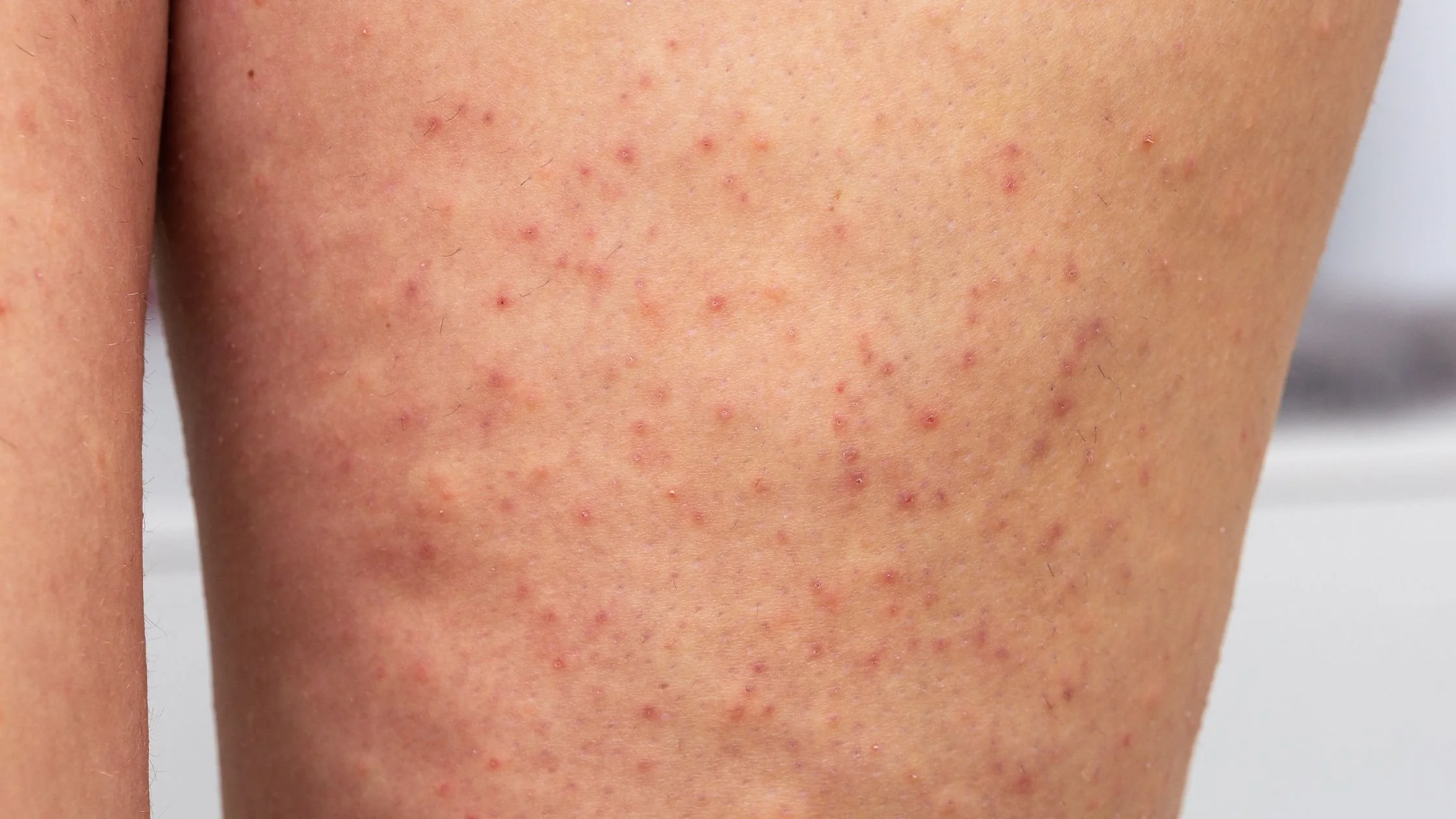
Common Types of Post-Wax Infections
When people hear the word infection, they tend to picture something severe.
In reality, most post-wax issues are mild and often misunderstood.
The most common one people notice is folliculitis.
This shows up as small bumps around the follicles. It can look like whiteheads or red spots, especially in areas like the bikini line where there’s more heat and friction.
Sometimes it’s caused by bacteria, but other times it’s just inflammation from hair removal.
Another possibility is generalized bacterial irritation, in which the skin becomes more reactive than usual.
This is where much of the confusion comes in.
Clients will sometimes think they’ve experienced an infection, but when we talk through what happened, it usually turns out to be a temporary reaction that resolves on its own.
Understanding that difference matters. Not every bump or flare-up means something went wrong.
What Clients Often Mistake for Infection
This is one of the biggest reasons this topic comes up so often.
If you’re not used to waxing, your skin’s response can feel unfamiliar.
Things that often get mistaken for infection include:
Temporary redness
Small post-wax bumps
Light itching as the skin settles
Mild sensitivity
These reactions can show up quickly, especially in areas like the bikini line or underarms.
But they usually stay mild and fade within a couple of days.
That’s the difference.
Normal reactions improve.
Infections tend to escalate.
Once you’ve had a few waxes, you start to recognize what your skin typically does. And that makes it much easier to tell when something is actually off.
Why Infections Are Rare in Professional Studios
In a professional setting, everything is controlled to minimize risk.
It’s not just about being clean in a general sense. It’s about following consistent waxing safety standards every single time.
That includes:
Properly sanitized tools
Single-use applicators
No double-dipping
Skin prep before waxing
Clean work surfaces
These practices significantly reduce the risk of waxing bacteria.
Clients don’t always see every step, but those systems are what make waxing a safe service.
So when people ask, “Is waxing sanitary?”, the answer depends on how the service is performed.
In a well-run studio, it absolutely is.
Where Risk Actually Comes From
Most of the time, risk doesn’t come from waxing itself.
It comes from situations where something isn’t handled properly.
Poor sanitation is a major issue. If tools aren’t cleaned properly or there’s cross-contamination, bacteria can be introduced.
Reusing applicators is another problem. This should never happen in a professional setting.
But a big part of the risk actually comes after the appointment.
Even when everything is done correctly, your skin still needs time to settle.
If it’s exposed to too much too soon, like sweat, friction, or bacteria, that can increase irritation and, in some cases, lead to issues.
Then there’s at-home waxing, which brings in more variables.
A lot of the time, it’s not one major mistake that leads to an issue; it’s a combination of smaller things.
For example, skin that’s already a little irritated going into the appointment, paired with heat or friction afterward, can create more sensitivity than expected. Add in something like tight clothing or sweating too soon, and suddenly the skin doesn’t have the chance to settle the way it normally would.
This is usually where people start to wonder if something went wrong.
But in many cases, it’s not about the wax itself. It’s about timing and how the skin was treated before and after. Even small details can shift how your skin responds.
That’s why professional care and proper aftercare go hand in hand. One without the other doesn’t give your skin the best chance to stay calm.
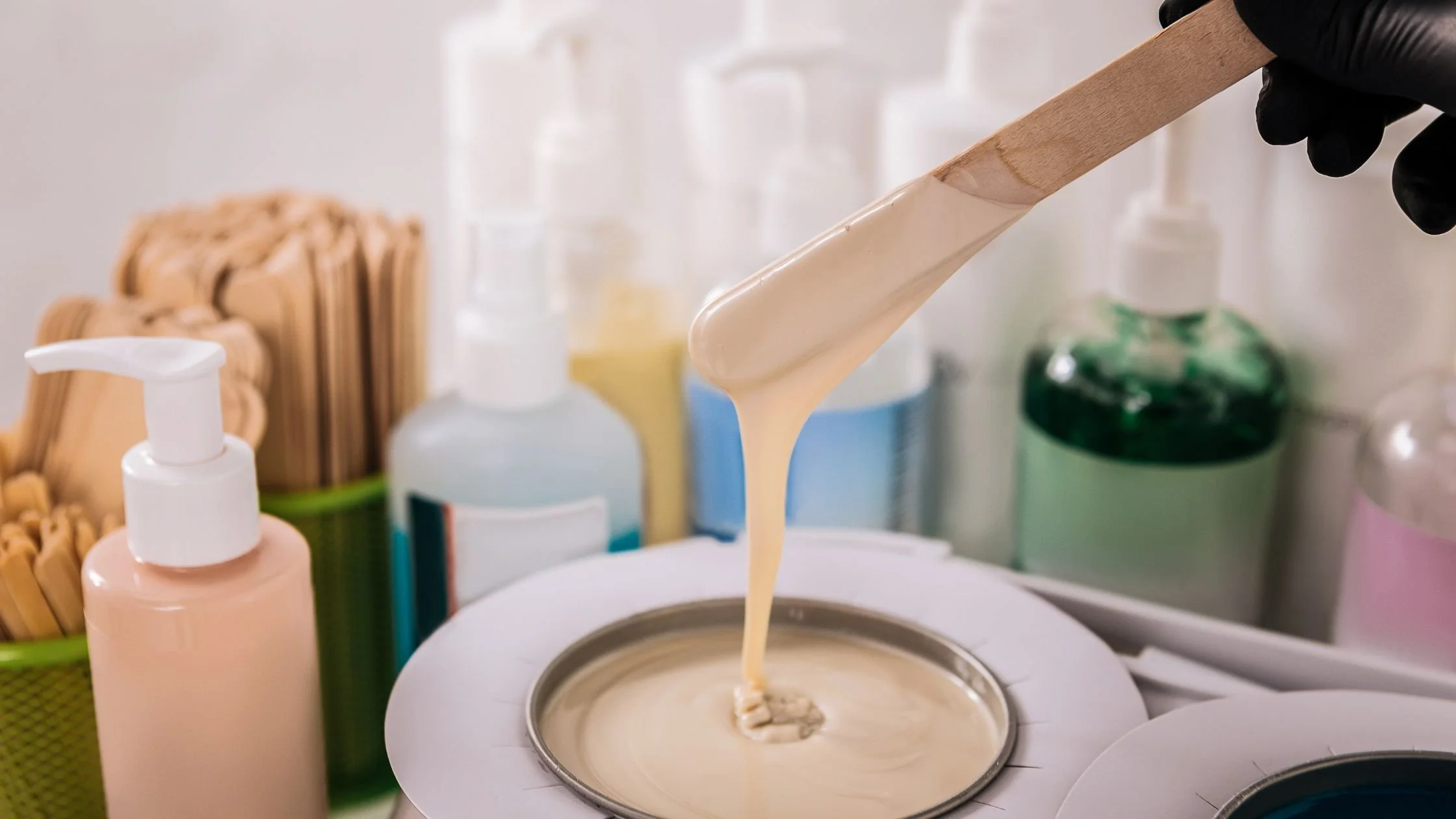
Why At-Home Waxing Carries Higher Risk
At-home waxing can work, but it doesn’t offer the same level of control as a professional environment.
Temperature is one of the biggest factors. Wax that’s too hot can damage the skin and make it more vulnerable.
Cleanliness is harder to manage at home. It’s easy to underestimate how important proper sanitation is.
Technique also plays a role. If the wax is applied or removed incorrectly, it can cause more irritation than necessary.
All of these factors can increase the chances of infection after waxing or prolonged irritation.
That’s why many people find their experience is more consistent when they go to a professional.
As mentioned earlier, sensitivity tends to increase right before and during your period.
Clients often describe:
Wax feeling sharper
Skin feeling more tender afterward
Redness lasting slightly longer
Then, outside of that window, everything feels easier again.
Why Brazilian Wax Infection Risk Gets More Attention
The bikini area tends to get the most attention when it comes to infection concerns.
And it makes sense.
The skin there is more sensitive, with more natural moisture and more friction throughout the day.
All of that can make the area feel more reactive after waxing.
But that doesn’t mean it’s unsafe.
In professional environments that follow proper waxing hygiene and safety protocols, the risk of Brazilian wax infection is still very low.
Most of what people notice in that area is normal sensitivity, not infection.
How Professional Studios Prevent Infection
A good studio doesn’t rely on general cleanliness. It follows a system.
Every step is consistent.
Hands are cleaned. Tools are sanitized. Surfaces are wiped down. Applicators are never reused.
The skin is prepped before waxing to reduce surface bacteria.
Aftercare guidance is part of the service, not an afterthought.
Clients might not notice every detail, but those small steps are what keep everything controlled.
It’s about doing the right things every time, not just occasionally.
Client Habits That Increase Risk
A lot of post-wax issues come from what happens after the appointment.
Freshly waxed skin needs a little space to recover.
Touching the area is one of the most common mistakes. Even clean hands can introduce bacteria.
Working out too soon after waxing can increase irritation and risk, especially when sweat and friction are involved.
Tight clothing can trap heat and create constant contact.
And certain products, especially anything heavily fragranced or active, can be too much too soon.
None of these things guarantee a problem, but they can increase the likelihood of irritation or infection after waxing.
Another thing that comes up a lot is overcorrecting.
Someone notices a few bumps or a little irritation, and their first instinct is to fix it right away. They might start exfoliating more, applying multiple products, or trying something new to calm the skin down.
The problem is, freshly waxed skin usually doesn’t need more; it needs less.
Too many products or too much exfoliation can keep the area irritated longer than it needs to be. What would have settled on its own in a day or two ends up lingering because the skin isn’t getting a break.
In most cases, simple care works best. Keeping the area clean, avoiding friction, and letting your skin recover naturally tends to lead to the best outcome.
Signs Something Isn’t Normal
Most post-wax reactions are mild and settle within a couple of days.
But there are signs that suggest something more is going on.
If discomfort is getting worse instead of better, that’s something to pay attention to.
Spreading redness, pus, or swelling that doesn’t go down are also indicators that the skin isn’t reacting normally.
The biggest difference is progression.
Normal reactions improve.
Infections tend to escalate.
If something feels off and isn’t calming down, it’s always better to get it checked.
How Quickly an Infection Would Show Up
Another question that comes up a lot is timing.
People often wonder how quickly an infection would appear after waxing, especially if they notice something within a few hours.
In most cases, true infections don’t show up immediately.
Right after waxing, your skin may be red, slightly raised, or sensitive. That’s normal and expected. Those reactions tend to appear quickly and then gradually calm down.
An infection, on the other hand, usually develops a bit later. It tends to build over time rather than show up all at once.
That’s why the pattern matters more than the timing.
If something appears quickly but starts improving, it’s usually just a normal reaction.
If something starts mild and then becomes more painful, more inflamed, or more widespread over time, that’s when it’s worth paying closer attention.
Understanding that difference helps take a lot of the guesswork out of it.

How to Protect Yourself as a Client
If you’re thinking about waxing hygiene safety, there are simple ways to protect yourself.
Start with the studio.
Look for a clean, organized environment. You should be able to see that hygiene is a priority.
Don’t hesitate to ask questions. A professional studio will always be transparent about their process.
Pay attention to:
Tool handling
Applicator use
Skin prep
And then there’s your role.
Follow aftercare. Give your skin time to settle. Avoid unnecessary irritation in the first 24 hours.
That combination makes a big difference.
A lot of the concern around waxing bacteria risk comes from not knowing what’s normal and what isn’t.
Once you’ve had a few appointments and start to recognize how your skin typically reacts, that uncertainty tends to go away. You begin to trust the process a little more, because you’ve seen how your skin responds and recovers.
That familiarity makes a big difference.
Instead of second-guessing every small reaction, you start to understand what your skin is doing and why.
It’s completely normal to have questions about this.
Waxing involves your skin, and it makes sense to want to understand what’s happening and whether it’s safe.
The reality is, when waxing is done properly, it’s a controlled and low-risk service.
Most of the time, what people worry about isn’t what actually happens.
Your skin may react slightly, but that’s part of the process. It doesn’t mean something went wrong.
And when both the studio and the client are following good practices, the chance of infection stays very low.
At The Waxing Collective, the focus is always on keeping things clean, consistent, and thoughtful.
Because good waxing isn’t just about the result.
It’s about making sure your skin feels safe the entire time.
