
Why Your Skin Reacts Differently to Waxing Every Time
If you’ve ever walked into a waxing appointment thinking, “Last time was totally fine…” and then left wondering, “…why did that feel so different?”, you’re not imagining it.
This is one of the most common (and honestly, most confusing) things clients experience.
You might have had a smooth, easy appointment a few weeks ago, with minimal redness and barely any sensitivity. Then, the next visit feels more intense: your skin is more reactive, with tenderness lingering longer. You’re left wondering, “Why does waxing feel different each time?”
It’s a fair question and a good one.
Waxing reactions aren’t consistent, and nearly everyone will notice changes at some point because post-wax reactions don’t always follow the same timeline.
Your skin isn’t a fixed, predictable surface. It changes constantly based on what’s happening inside your body and around you. And those shifts, sometimes subtle, sometimes noticeable, can directly affect how your skin responds to waxing.
If you’ve been dealing with inconsistent skin reactions or wondering why waxing irritation varies, keep reading as we dig into what’s actually going on and why each visit can feel different.
Why Waxing Reactions Aren’t Always Predictable
One of the biggest misconceptions about waxing is that it should feel the same every time.
Same wax. Same area. Same routine.
So logically, it should be the same experience… right?
Not exactly.
Your skin constantly adjusts in response to hormones, environment, stress, and even what your skin goes through in the first 24 hours after waxing.
That’s why waxing sensitivity changes from appointment to appointment.
Some days, your skin is calm, balanced, and resilient. Other days, it’s a little more reactive, a little more aware, a little quicker to respond.
And waxing simply reveals that.
It’s not that something went wrong; it’s that your skin showed up differently that day.
The Biggest Factors That Change Your Reaction
This is where things start to click for most clients.
Because when you look at what actually influences your skin, it becomes much easier to understand why waxing reactions are different every time.
Let’s walk through the biggest ones.
Hormones (cycle timing)
This is one of the most noticeable factors, especially for clients who wax regularly.
Your skin’s sensitivity fluctuates throughout your cycle. In the days leading up to your period, your body tends to be more reactive overall. Pain tolerance can drop slightly, and the skin can feel more sensitive to stimulation.
That’s why waxing during that window can feel more intense than usual.
Then, a week or so later, the exact same service might feel completely manageable again.
This is often where the question “why is waxing worse sometimes?” comes from, and hormones are a big part of the answer.

Stress levels
Stress doesn’t just affect your mood; it shows up in your skin.
When stress levels are high:
Your body is more reactive
Inflammation can increase
Sensitivity can spike
Clients don’t always recognize this, but we see it all the time.
Sometimes we’ll have someone come in, and nothing about the appointment has changed, but their skin just feels more sensitive that day. And when you talk it through, it turns out they’ve had a stressful week. That alone can shift how your body responds, even if everything else stays the same.
Sleep
Sleep is one of those things people don’t immediately connect to waxing, but it absolutely shows up in your skin.
When you’ve been getting solid rest, your skin tends to feel more balanced. It handles stimulation better, and everything just feels a little easier overall.
But when you’re running on less sleep, it’s a different story. Skin can feel more reactive, a little more on edge. Even small sensations can feel more noticeable than usual.
It’s not always dramatic, but over time, those small differences do make an impact.
Hydration
Hydration is another one that makes a bigger difference than people expect.
When your skin is well-hydrated, it just handles the process better. It feels softer, a little more flexible, and less reactive overall.
But when your skin is on the drier side, you might notice the opposite. It can feel tighter, a bit more sensitive, and sometimes more aware of everything that’s happening during and after the wax.
That shift alone can change how the appointment feels, and even how your skin settles afterward.
Skin condition that day
Sometimes it really does come down to what your skin has been through in the past few days.
Maybe you exfoliated a little more than usual. Maybe you tried a new product. Or maybe your skin’s just been dealing with heat, sun, or general irritation without you even noticing.
Those small things don’t always stand out in the moment, but your skin notices them. And when it’s a little more sensitive going into your appointment, that can change how everything feels.
That’s usually what’s behind different waxing reactions every time, not something going wrong, just your skin showing up slightly differently than it did before.
How Timing Affects Your Skin
Timing is another piece people don’t always consider, but it plays a bigger role than you’d expect.
It’s not just about your cycle; it’s also about what your skin and hair have experienced in the days leading up to your appointment. Even small shifts in routine or timing can change how your skin responds once the wax is applied.
Before or during your cycle
As mentioned earlier, sensitivity tends to increase right before and during your period.
Clients often describe:
Wax feeling sharper
Skin feeling more tender afterward
Redness lasting slightly longer
Then, outside of that window, everything feels easier again.
After shaving vs consistent waxing
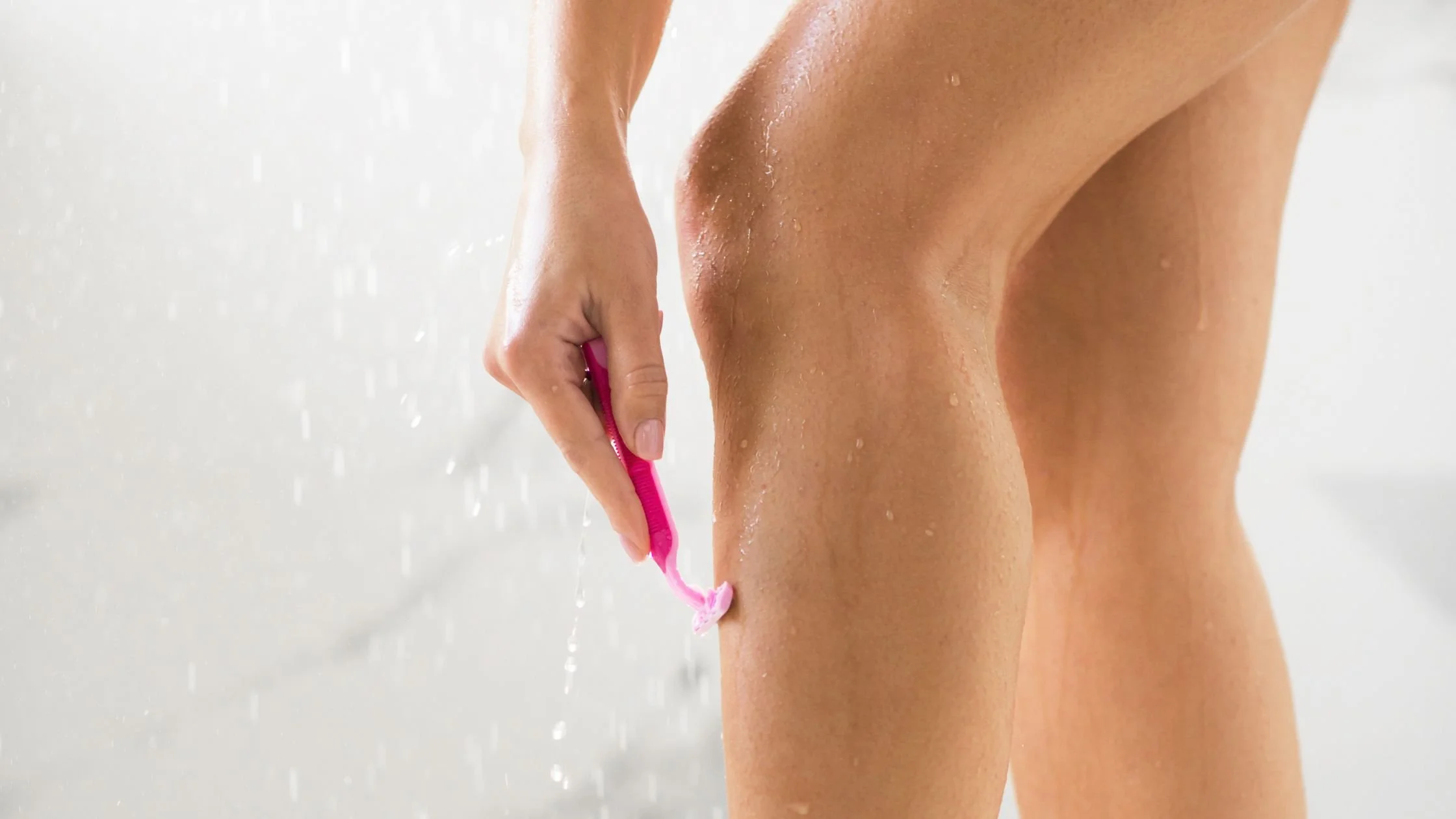
If you’ve shaved between appointments, your next wax may feel different.
Shaving changes the hair, making it sometimes thicker or more blunt, which can affect how it releases with waxing.
Consistent waxing, on the other hand, weakens the hair over time. That usually leads to smoother, easier appointments.
Switching between routines can make your experience unpredictable.
Seasonal changes
Your skin behaves differently in different environments.
In colder months:
Skin tends to be drier
Sensitivity can increase
In warmer months:
Sweat and heat can make skin more reactive
Friction becomes more noticeable
These changes explain why waxing irritation varies by season.
How Your Skin Barrier Changes Day-to-Day
Your skin barrier is your first line of defense, and it’s not always in the same condition.
Product use
Active skincare products can make your skin more sensitive.
This includes:
Retinoids
Exfoliating acids
Strong treatments
Even if you use them regularly, your skin might be more reactive on certain days depending on frequency and combination.
Over-exfoliation
This is a big one.
Exfoliation helps prevent ingrowns, but excessive exfoliation can thin the outer layer of your skin.
When that happens:
Skin becomes more sensitive
Waxing can feel more intense
Redness may last longer
Dehydration
This isn’t just about what your skin feels like on the surface; it’s also about what’s going on internally.
When you’re not as hydrated as you normally are, your skin tends to show it. It can feel a little more sensitive, a little less comfortable overall, and sometimes slower to settle down after waxing.
It’s not always something you notice right away, but it can definitely affect how your skin reacts in the moment and afterward.
Why the Same Wax Can Feel Different
A lot of people assume that if everything about the appointment stays the same, the experience should too.
Same wax, same technique, same person doing the service… it seems like it should be consistent every time.
But your body doesn’t really work that way. Even when everything on the outside stays the same, what’s happening internally can shift just enough to change how it feels.
Skin sensitivity fluctuations
Even without obvious reasons, your skin can simply be more sensitive some days than others.
This isn’t always tied to one clear factor. It’s often a combination of small things.
Hair growth stage
Hair doesn’t all grow at the same time, even though it can look that way.
At any given moment, some hairs are in a strong growth phase, some are kind of in between, and some are already on their way out. You just don’t see those differences from the surface.
But your skin feels it.
When more hairs are still deeply rooted, the wax can feel a little more intense. Other times, when more of the hair is ready to release, everything comes out easier, and the appointment feels smoother overall.
Follicle condition
Every follicle has its own little “history,” for lack of a better word.
With regular waxing, those follicles tend to soften over time. Hair grows back finer, and removal gets easier. But if there’s been a longer gap between appointments, or if the hair has had time to grow back stronger, you might notice a difference.
That’s often why one appointment feels easier, and the next one feels a bit more noticeable, even if nothing else has changed.
External Factors You Don’t Think About
Some of the biggest influences are the ones people rarely connect to waxing.
Weather (humidity, heat)
Weather is one of those things people rarely connect to waxing, but it absolutely plays a role.
On more humid or hotter days, your skin can already feel a little more active, slightly warmer, and maybe a bit more sensitive than usual. Add waxing on top of that, and everything can feel a little more noticeable.
It also changes how your body handles things afterward. More heat can lead to more sweating, which can increase friction or sensitivity, especially in areas like the bikini line or underarms.
Clothing friction
What you wear after your appointment can make a bigger difference than most people expect.
If clothing is tight or rubbing in certain areas, it can keep the skin feeling irritated even if the wax itself went perfectly. This comes up a lot with bikini and Brazilian waxes, where there’s already natural movement and contact throughout the day.
Sometimes it’s not the waxing that feels worse; it’s what happens after, when the skin doesn’t really get a chance to settle.
Workouts and sweat
Working out too soon after waxing can increase irritation, especially when sweat, heat, and friction are involved.
This is often why someone feels fine immediately after their appointment, but more sensitive later that day.
Why First-Time vs Regular Waxing Feels Different
If you’re newer to waxing, inconsistency can feel even more noticeable.
Hair strength
First-time waxing usually involves:
Thicker hair
Stronger roots
More resistance during removal
That can make the experience feel more intense.
Skin adaptation over time
Your skin doesn’t stay in the same place with waxing; it adjusts.
When you stay consistent with it, things usually start to shift in a good way. Hair tends to come back finer, the roots aren’t as strong, and the whole process feels less intense over time.
Many clients notice that what felt like a big deal at the beginning gradually becomes much more manageable. Not because anything about the service changed, but because their skin and hair have adapted to it.
When Changing Reactions Are Normal
Not every difference from one appointment to the next means something is wrong.
It’s actually pretty normal to have slight shifts here and there. Maybe one visit feels a little more sensitive, or your skin takes a bit longer to calm down than it did last time.
As long as your skin settles down within a couple of days and nothing feels overly irritated, that kind of variation is usually nothing to worry about. It’s just your body doing its thing. Skin doesn’t react the exact same way every time, and that’s completely normal.
When It Might Signal a Problem
That said, there are times when it’s worth paying a little closer attention.
If you start to notice that your reactions are getting stronger instead of staying about the same, or your skin isn’t calming down the way it normally does, that’s a sign to pause and look at what might be going on.
The same goes for discomfort that feels different from what you’re used to, not just more noticeable, but actually different in a way that stands out.
When something feels consistently off, not just once in a while, it’s worth addressing instead of pushing through it.
How to Make Your Results More Consistent
You can’t control every factor, but there’s a lot you can do to help your skin stay more balanced from one appointment to the next.
Prep
What you do before your appointment matters more than people think.
Going in with skin that isn’t overworked or irritated makes a noticeable difference. If you’ve been exfoliating heavily or using stronger products, your skin may already be a bit more sensitive before you even arrive.
Keeping things simple leading up to your appointment, hydrated, calm, and not over-treated, usually gives you a smoother experience.
Aftercare
What happens after your wax can either help your skin settle or keep it feeling irritated longer than it needs to.
Letting the area breathe, keeping it cool, and avoiding heat or friction for that first day or so makes a big difference. It’s less about doing a lot and more about not overdoing anything.
Gentle, simple care tends to work best here.
Scheduling
Consistency plays a bigger role than most people expect.
When you stay on a regular waxing schedule, your hair growth becomes more predictable, and your skin adjusts to the routine. That alone can make appointments feel easier over time.
If you can, it also helps to be mindful of timing around your cycle. Even shifting an appointment by a few days can sometimes change how your skin responds.
Skin awareness
This is the part that really changes everything over time.
The more you pay attention to your skin, the easier it becomes to understand what’s normal for you. You start to pick up on patterns—when your skin feels more sensitive, what seems to trigger stronger reactions, and what helps it calm down faster afterward.
And once you have that awareness, the whole experience starts to feel a lot more predictable, even if it’s not exactly the same every time.
Work With Your Skin, Not Against It
If your waxing experience feels different from one appointment to the next, you’re not doing anything wrong.
Your skin isn’t inconsistent; it’s responsive.
And once you understand that, everything starts to make more sense.
Those moments where you think, “Why is waxing worse sometimes?” stop feeling random. They start feeling predictable in a different way, connected to things you can recognize and adjust.
At The Waxing Collective, we guide clients through this all the time.
Because waxing isn’t just about removing hair; it’s about understanding your skin.
And the more you understand it, the more comfortable, consistent, and easy the entire experience becomes.
