
Exfoliation After Waxing: When to Start, How Often, and What to Use
If you’ve ever walked out of a waxing appointment feeling perfectly smooth… and then a few days later noticed bumps, texture, or the start of ingrowns, you’re not alone. This is one of the most common questions we hear at The Waxing Collective: “When should I start exfoliating after waxing?”
It’s easy to see why this can be confusing.
You’re told to exfoliate to prevent ingrowns, but also told not to irritate freshly waxed skin. You hear different timelines from different people. Some clients start too early and end up red and sensitive. Others wait too long and deal with post-wax ingrown hairs anyway.
Let’s break it down in a way that works in real life, not just in theory.
Why exfoliation matters for waxing results
Exfoliating after waxing isn’t just an extra step. It’s an important part of keeping the results you want.
When hair is removed from the root, your follicles are temporarily open and your skin is more vulnerable. As new hair starts to grow back, it has to push through the surface again. If there’s a buildup of dead skin sitting on top, that hair can get trapped underneath. That’s where ingrowns begin.
Consistent exfoliating helps:
Keep pores clear so hair can grow out properly
Reduce buildup of dead skin that causes rough texture
Minimize the chances of post-wax ingrown hairs
Keep your skin looking smoother between appointments
As a wax specialists, we noticed that clients who stick to a simple exfoliation routine usually see better long-term results. Their hair grows back softer, more evenly, and with less irritation.
On the other hand, when someone skips exfoliation, we often see more clogged pores, more ingrown hairs, and a less smooth result at their next visit.
It’s also important to know that exfoliation can affect how well your next wax goes and understanding why proper wax prep matters for your results helps everything work better from the start.
When dead skin builds up, it can actually interfere with how well the wax grips the hair. That means we sometimes see more breakage instead of clean removal from the root. And when hair breaks instead of being pulled properly, it’s much more likely to turn into an ingrown later.
This is especially noticeable with clients who come in consistently but skip their at-home care. They’ll say, “I don’t understand, I’ve been waxing regularly,” but the missing piece is usually exfoliation between appointments.
So while exfoliating after waxing helps your skin in the short term, it also sets you up for better results the next time you’re on the table.
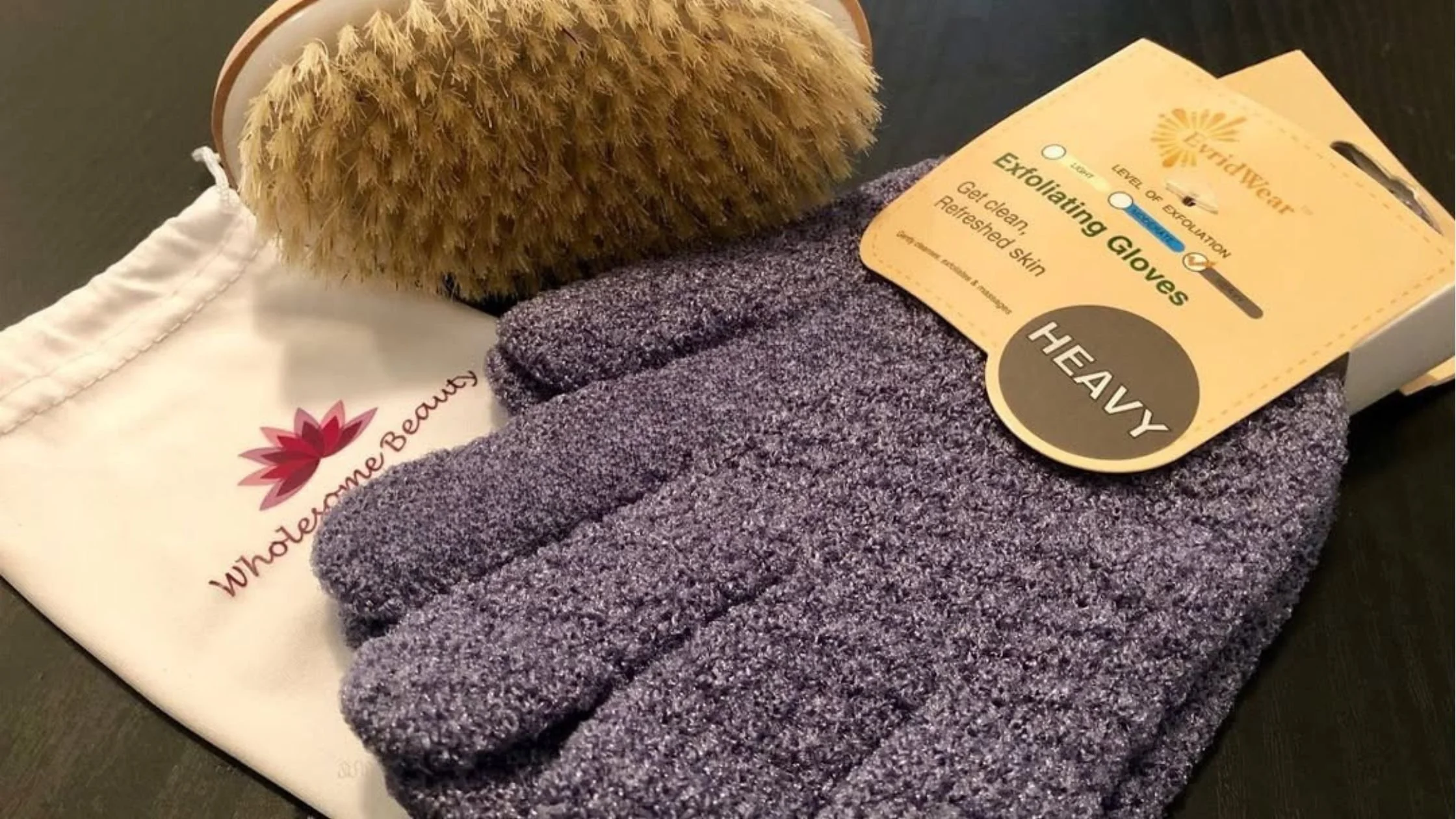
What happens if you exfoliate too soon
This is where a lot of people go wrong.
Right after a wax, your skin is in a sensitive state, and post-wax reactions are completely normal, especially in the first 24–48 hours. The hair has been removed from the root, which creates tiny openings in the follicles. Even if your skin looks calm on the surface, it’s still recovering.
If you jump into exfoliating too soon, especially within the first 24 hours, you can:
Cause irritation or redness
Trigger inflammation around the follicles
Make the skin feel raw or overly sensitive
Increase the risk of breakouts
This is especially common with clients who use scrubs too early. A gritty exfoliant on freshly waxed skin can feel like way too much, even if it’s something your skin normally tolerates.
A good rule of thumb: if your skin still feels tender to the touch, it’s not ready.
What happens if you don’t exfoliate at all
Now let’s talk about the other extreme.
Skipping exfoliation entirely might feel like you’re “playing it safe,” but over time it creates a different set of issues.
Without exfoliation, dead skin cells build up on the surface. That buildup can:
Block hair from growing out properly
Lead to more frequent ingrown hairs
Make skin feel rough or uneven
Dull the smooth look you get right after waxing
This is something we see often with new clients who say, “I just let my skin do its thing.”
The issue is that your skin doesn’t always shed evenly on its own, especially in places like the bikini line or underarms where there’s more friction and sweat.
If you want to avoid ingrown hairs after waxing, exfoliation is a must. The key is to do it at the right time and in the right way.
The ideal timeline for exfoliation after waxing
Timing is everything here.
First 24 hours:
First 24 hours: No exfoliation. This is your recovery window. This is when what your skin is doing in the first 24 hours after waxing matters most. Keep the area clean, avoid heat, friction, and anything that might irritate the skin.
24–48 hours:
Still hold off. Your skin may look fine, but it’s still settling. This is especially important if you had a more sensitive area waxed, like a Brazilian or facial wax.
48–72 hours:
This is usually the sweet spot for most people. You can begin gentle exfoliation if your skin feels calm and normal again.
For clients asking when to exfoliate after waxing, this is the answer we give most often: wait about 2–3 days, then start slowly.
After 72 hours and beyond:
You can move into a regular exfoliation routine. At this point, the focus shifts from recovery to maintenance, keeping the skin clear as hair starts to grow back.
Keep in mind that these timelines can vary from person to person.
If your skin tends to be more sensitive, you might lean closer to the 72-hour mark before starting exfoliation. If your skin is more resilient and you’ve never had issues with irritation, you may be comfortable starting right at 48 hours.
We always tell clients: use the timeline as a guide, but let your skin make the final call.
If there’s still redness, warmth, or sensitivity, give it another day. Starting a little later is always better than starting too early and dealing with irritation afterward.
How exfoliation differs by body area
Not all skin is the same, and your exfoliation routine shouldn’t be either.
Face:
Facial skin is thinner and more sensitive, so exfoliation needs to be gentle. Chemical exfoliants (like mild AHAs) are usually better than scrubs. Frequency should stay on the lighter side.
Bikini/Brazilian:
This area is the most prone to ingrowns, which is why exfoliating after Brazilian wax treatments is so important. However, it’s also delicate, so balance matters. Gentle exfoliation a few times a week works best.
Underarms:
Underarms can handle regular exfoliation, especially since deodorant buildup can contribute to clogged pores. Both chemical and mild physical exfoliants can work here.
Legs:
Legs are more resilient and can tolerate a bit more exfoliation. This is where tools like exfoliating mitts or scrubs are commonly used, but again, not immediately after waxing.
Adjusting your approach based on the area helps prevent irritation while still getting the benefits.
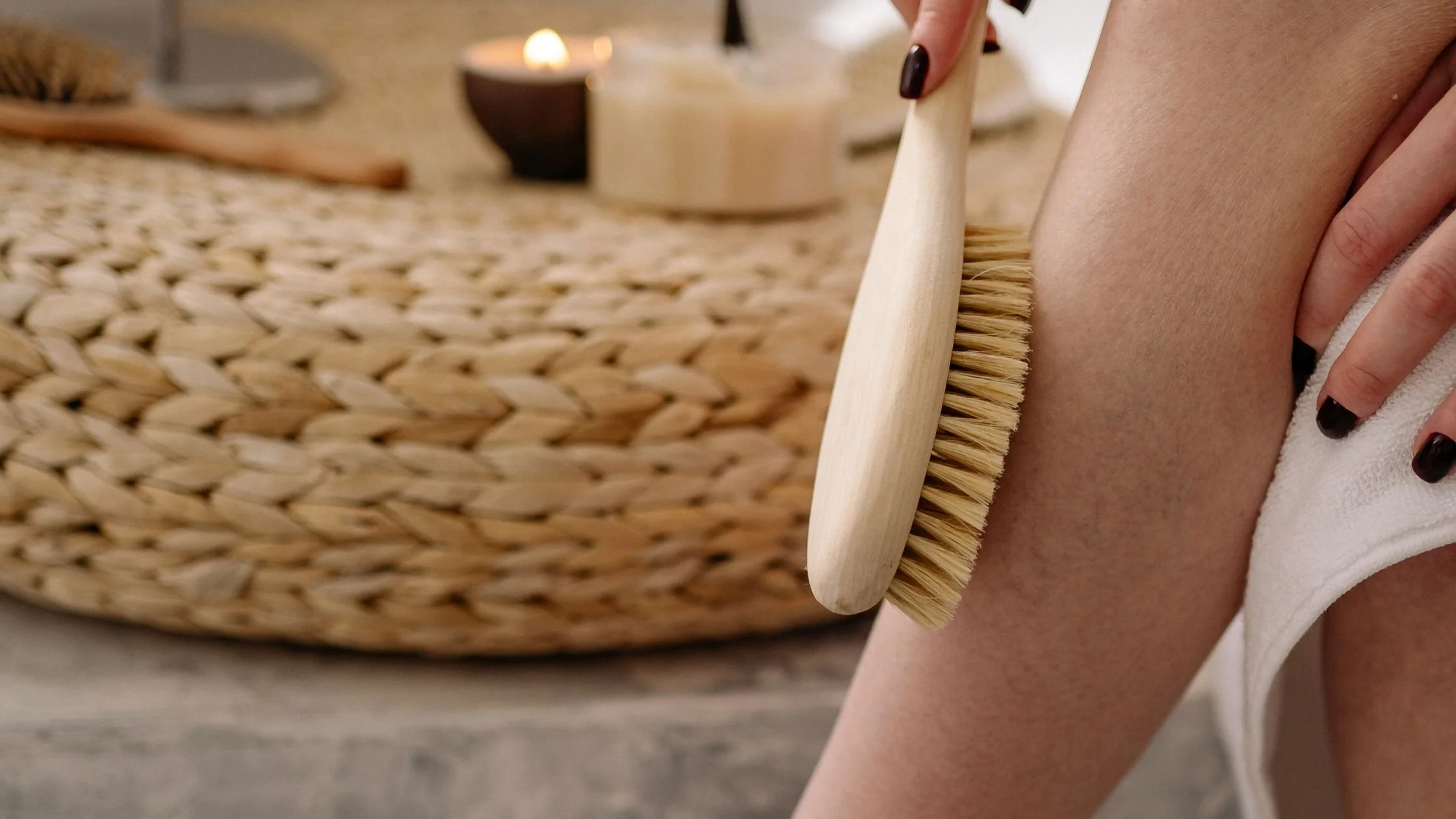
Physical vs chemical exfoliation
When it comes to the best exfoliation for waxing, there’s no one-size-fits-all answer. It really comes down to your skin type and how your skin responds.
Physical exfoliation (scrubs, brushes, mitts):
These work by manually removing dead skin.
Pros:
Immediate smoothing effect
Easy to control pressure and frequency
Widely available
Cons:
Can be too harsh if overused
Not ideal for sensitive or freshly waxed skin
Easy to go overboard without realizing
Chemical exfoliation (AHAs, BHAs, enzymes):
These dissolve dead skin cells instead of scrubbing them away.
Pros:
More even exfoliation
Typically gentler when used correctly
Great for preventing ingrowns
Cons:
Can be confusing to choose the right one
Overuse can still cause irritation
In practice, many clients do well with a combination. For example, a chemical exfoliant a few times a week, with occasional light physical exfoliation if needed.
Another factor to consider is your hair type.
Coarser hair, especially in areas like the bikini or underarms, is more likely to curl back into the skin as it grows. In those cases, chemical exfoliation can be especially helpful because it keeps the pathway clear without adding friction.
For finer hair, physical exfoliation can sometimes be enough on its own.
That’s why advice can vary so much. What works for one person might not work for another. The goal is to find what your skin and hair respond to best and stick with it.
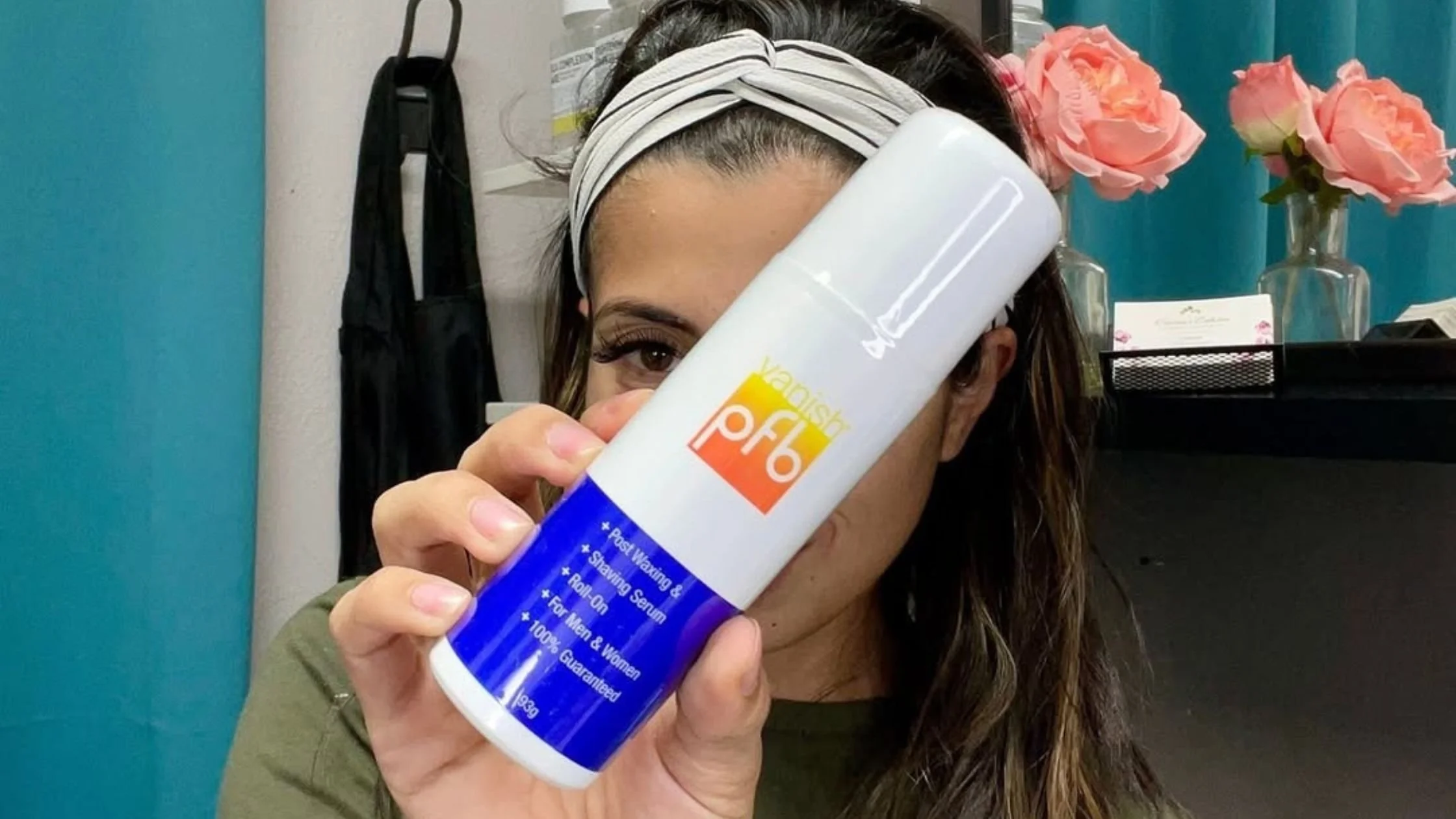
How often to exfoliate after waxing
This is another area where people either do too much or not enough.
If you’re wondering how often to exfoliate after waxing, a realistic routine looks like this:
Start 2–3 days after your wax
Exfoliate 2–3 times per week
Adjust based on how your skin responds
Doing more isn’t better. Exfoliating every day can cause irritation, especially on sensitive skin.
We often see clients come in with redness or sensitivity and say, “I’ve been exfoliating every day to prevent ingrowns.”
That usually backfires.
Consistency matters more than frequency. A steady, gentle routine will always give better results than going too hard.
It’s also okay if your routine changes slightly throughout your hair growth cycle.
Right after waxing, your focus is on healing and then gently maintaining the skin. But as you get closer to your next appointment and hair starts growing in more noticeably, you might find that your skin benefits from staying consistent with exfoliation.
Some clients naturally exfoliate a bit more regularly in that middle phase, not aggressively, just consistently, to help guide the hair out properly.
This doesn’t mean you should exfoliate harder. It just means keeping up with your routine.
Common mistakes clients make
After years of working with clients, we’ve noticed a few common mistakes.
Starting too early
People want to “stay ahead” of ingrowns, so they exfoliate the next day. This usually leads to irritation instead.
Using harsh scrubs
Not all scrubs are created equal. Some are way too abrasive, especially for areas like the bikini line.
Exfoliating too often
More isn’t better. Over-exfoliating weakens the skin barrier and can actually make ingrowns worse.
Ignoring certain areas
Clients will exfoliate their legs but forget about underarms or bikini areas, where it actually matters more.
Not moisturizing after
Exfoliation without hydration leaves the skin dry and more prone to irritation.
Switching Products Too Often
Someone will try one exfoliant for a few days, not see instant results, and then move on to something stronger. That cycle usually leads to irritation rather than improvement.
Exfoliation works best when you keep it consistent. Your skin needs time to adjust. Switching between products, especially stronger ones, can throw things off.
If you find something that works and your skin feels calm, stick with it.
These small changes can really improve your results.
Signs you’re exfoliating too much (or not enough)
Your skin usually tells you what’s working; you just have to pay attention.
Signs you’re over-exfoliating:
Redness or sensitivity
Burning or stinging sensation
Dry, tight skin
Increased irritation around follicles
Signs you’re not exfoliating enough:
Frequent ingrown hairs
Rough or bumpy texture
Dull-looking skin
Hair struggling to break through the surface
If you’re somewhere in between, skin feels smooth, calm, and clear, you’ve likely found your balance.
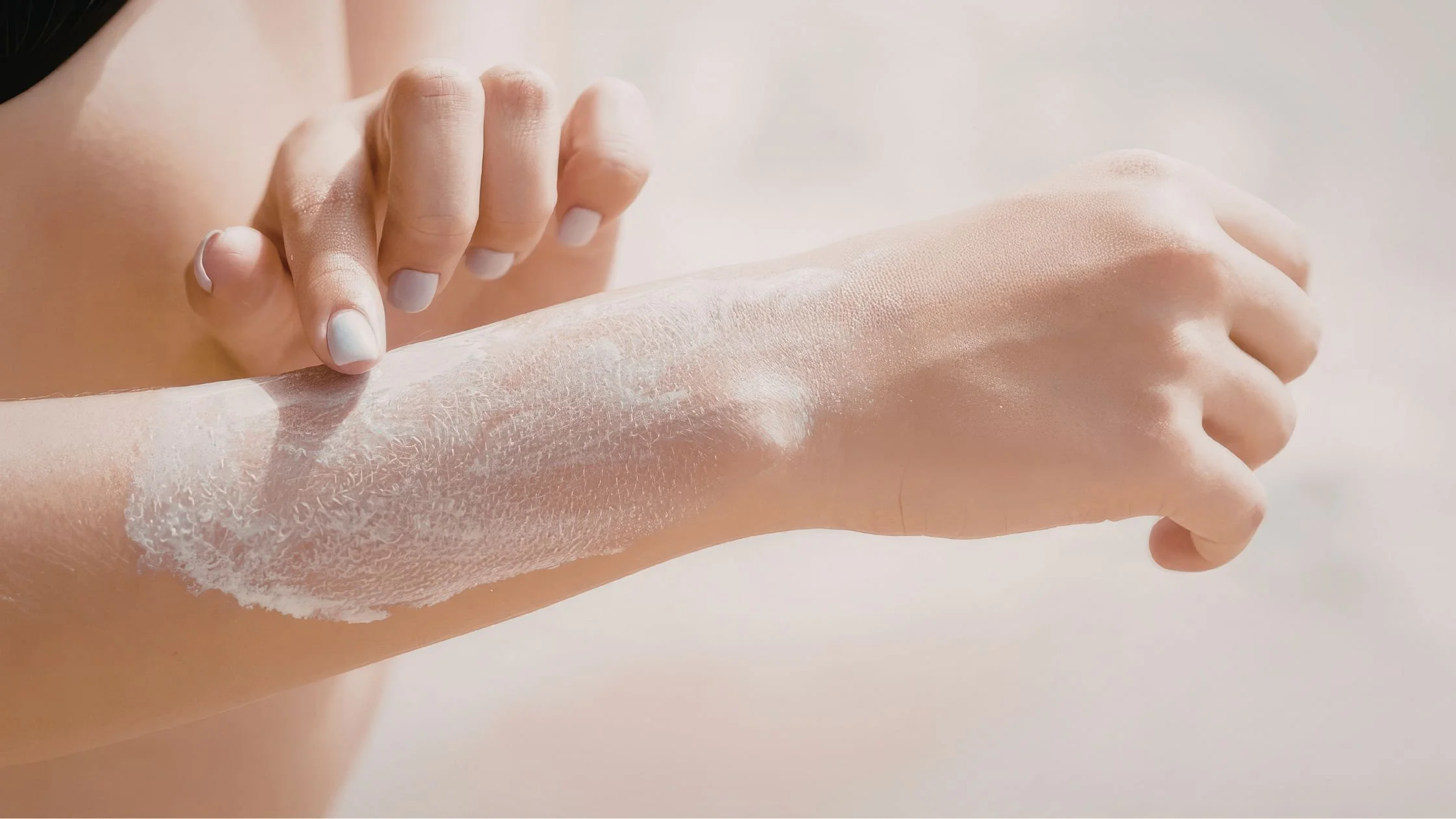
How exfoliation fits into a full post-wax routine
Exfoliation matters, but it’s only one part of your aftercare routine.
A solid post-wax routine includes:
Gentle cleansing to keep the area clean
Delayed exfoliation (starting around day 2–3)
Regular moisturizing to keep skin soft and flexible
Loose clothing in the first day or two to reduce friction
Avoiding heat and sweat immediately after your appointment
When you follow all these steps, your skin stays smoother longer and your next wax is easier.
A quick word on expectations
Even with a great routine, you might still get an ingrown hair now and then. That’s completely normal.
Many things affect your skin, like hormones, friction, hair type, and how fast your hair grows.
The goal of exfoliation after waxing isn’t perfection. It’s consistency. It’s reducing issues over time and helping your skin stay as healthy as possible between visits.
Closing thoughts
If you’ve ever felt unsure about exfoliating after waxing, you’re not doing anything wrong; it’s genuinely one of the most misunderstood parts of aftercare.
The key things to remember:
Wait at least 48–72 hours before starting
Keep your routine gentle and consistent
Don’t overdo it
Pay attention to how your skin responds
If you’re ever unsure whether your routine is working, bring it up at your next appointment.
We can usually tell pretty quickly how your skin has been responding, whether it’s a little congested, perfectly balanced, or slightly over-exfoliated. From there, it’s easy to make small adjustments that make a big difference.
Many clients are surprised that small changes can make a big difference. It’s not about doing more, but about being more intentional with your routine.
At The Waxing Collective, we always want you to leave not just with smooth skin, but with the confidence to maintain those results at home.
Because great waxing results don’t stop at the appointment, they’re built in the days that follow.
