
Why Wax Temperature Control Matters More Than You Realize
Most people think about the wax, the pain, or how long the results last when they consider waxing. But few ever think about the temperature.
But behind the scenes, wax temperature is one of the most important factors in a safe, comfortable waxing experience.
When the wax is the right temperature, the whole process feels gentler on your skin. The wax spreads easily, hair comes out cleanly, and most people notice their skin calms down quickly afterward.
If the temperature is off, things can go differently. Wax that is too hot can irritate your skin or make it feel extra sensitive. If it’s too cool, it can drag during application, which sometimes causes more pulling or redness.
Good waxing is more than just removing hair. It’s about knowing how your skin reacts to heat, friction, and pressure. Keeping the right temperature is a key part of that balance.
Let’s look at why temperature matters so much and why experienced studios treat it as a key part of waxing safety.
Why Wax Temperature Matters in the First Place
Waxing works because warm wax wraps around the hair and holds it tightly enough to pull it out from the root. The heat helps the wax spread smoothly and stick to the hair without being too sticky or stiff.
When the wax is the right temperature, it spreads in a thin layer and grabs the hair well. Usually, the hair comes out in one clean pull.
If the temperature is even a little off, the process can feel different. Wax that is too hot may irritate your skin right away. If it’s too cool, it might not grip the hair well, so you may need to go over the same spot again or press harder.
Either way, your skin ends up working harder than it should, which can lead to more irritation after waxing.
This is why temperature control is considered a basic part of professional waxing safety. A trained wax specialist is constantly paying attention to the feel, texture, and consistency of the wax before it ever touches your skin.
It’s not something clients usually notice, but it’s happening throughout the entire appointment.
What Happens When Wax Is Too Hot
The biggest risk with wax that’s too hot is what most people worry about: burns.
Skin is sensitive to heat, especially on the face, underarms, and bikini line. If wax is too hot, your skin can react right away. You might feel a strong sting or intense warmth, and redness can show up quickly and last longer than usual.
In rare cases, wax that is too hot can cause minor burns. This doesn’t happen often in professional settings, but it’s a main reason why temperature control is so important in waxing safety training.
Even if the wax doesn’t burn you, too much heat can still irritate your skin. Heat can make your skin more inflamed and sensitive, which might mean redness, tenderness, or bumps that last longer than normal, especially if you’re unsure how long post-wax reactions usually last.
Sensitive areas are especially at risk. For example, the skin on your face is thinner than on your legs. The bikini area has more nerve endings and thicker hair, so the skin is already under more stress during waxing.
When the wax is the right temperature, your skin can handle the process much more comfortably.
What Happens When Wax Is Too Cool
Many people think the only problem is wax being too hot. But wax that’s too cool can cause its own issues.
If the wax gets too cool, it thickens and is harder to spread. Instead of gliding on, it might drag or skip across your skin, which can make waxing feel more uncomfortable than it should.
Cool wax also doesn’t grip hair as well. It might leave some hair behind, so you have to go over the same spot again, which increases friction and can cause irritation.
Another problem with cool wax is uneven removal. If the wax doesn’t stick well, it can break or crumble when removed. This means the waxer has to adjust or reapply wax to spots that should have been cleared the first time.
This doesn’t mean waxing won’t work, but it does mean your skin goes through more stress than it needs to.
Professional wax specialists pay close attention to these signs. If the wax feels too thick or hard to spread, it’s a sign the temperature needs to be changed.
Why Professional Wax Warmers Matter
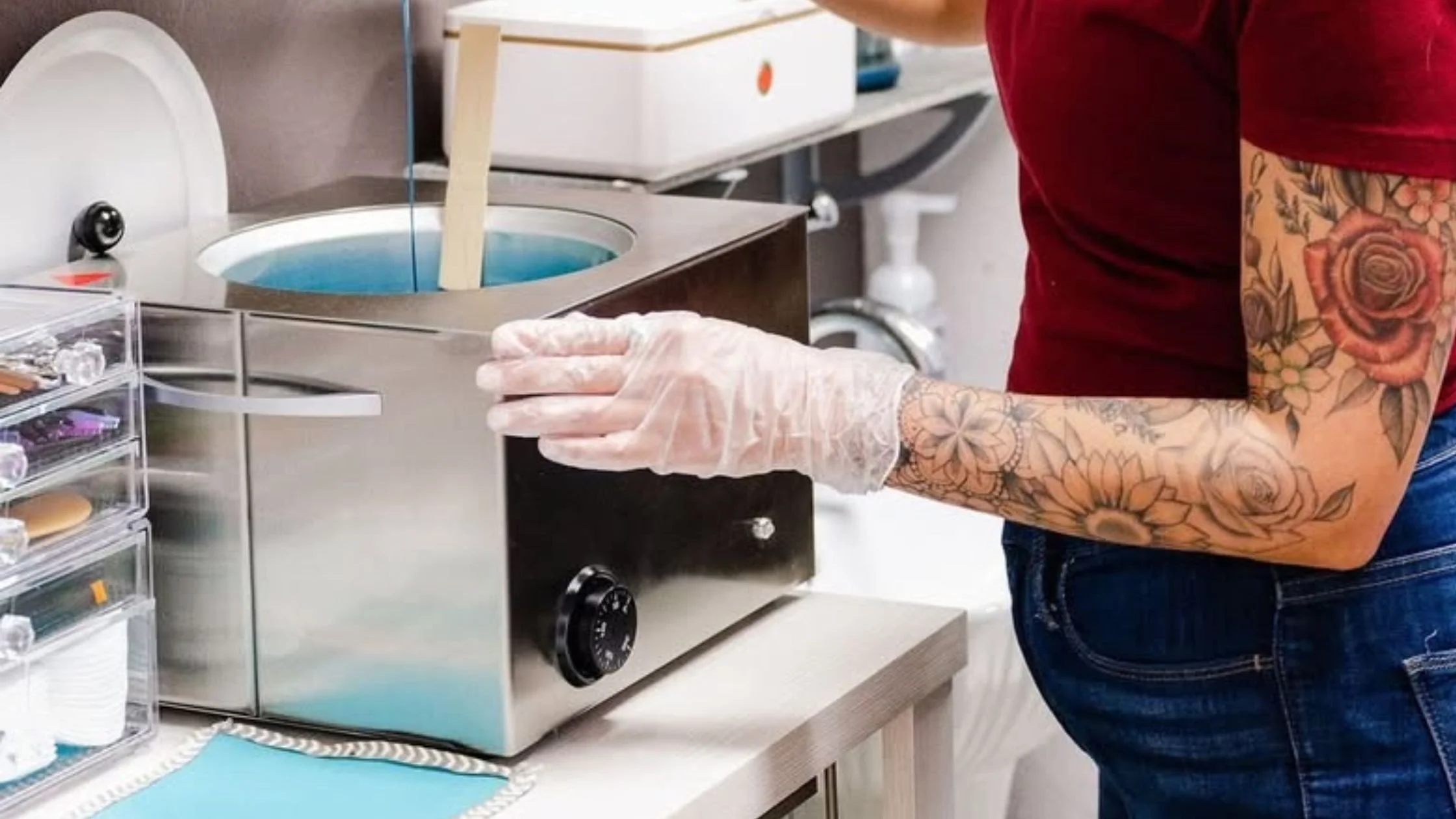
One of the main differences between professional waxing studios and at-home kits is the equipment used to heat the wax.
Professional wax warmers keep the wax at a steady temperature for a long time. They heat the wax slowly and keep it consistent during the whole service.
That consistency is important. Wax needs to stay within a relatively narrow temperature range to behave correctly. Too much heat or too little heat changes the way the wax spreads and removes hair.
Many home waxing kits use microwaves or simple heaters. The problem with microwaves is that they heat unevenly. Some parts of the wax can get very hot while others stay cool.
That’s one reason people sometimes experience waxing burns during DIY waxing attempts. The wax may feel warm at first touch, but hidden hot spots can cause irritation once it’s applied.
Professional warmers lower that risk. They let wax specialists check and adjust the temperature slowly, instead of guessing.
How Professionals Monitor Wax Temperature
Temperature control in waxing isn’t something that’s set once and forgotten.
Experienced wax specialists check the wax constantly throughout a service. They look at the texture of the wax, the way it spreads, and how it behaves when applied to the skin.
Before using wax on a client, most professionals test it on their wrist or a test strip. This quick check makes sure the wax feels warm but not too hot.
Temperature can change during the day because of the environment. A warm room keeps wax softer longer, while a cool room can make it thicken faster.
Even how much wax is left in the pot can affect the temperature. A full pot holds heat differently than one that’s almost empty.
That’s why managing temperature is an ongoing process, not just a one-time step.
Why Sensitive Areas Require Extra Temperature Control
Some parts of the body need extra attention when it comes to wax temperature.
The face is a good example. Skin here is thinner and more delicate than skin on the legs or back. It’s also more exposed to environmental factors like sun, skincare products, and exfoliation.
If you’ve recently used products with retinoids or chemical exfoliants, your skin may be even more sensitive to heat.
The bikini area is another place where temperature is important. Hair here is often thicker, so the wax needs to be warm enough to grip it. But the skin around it can be sensitive.
Balancing those two factors requires experience. The wax must stay warm enough to work properly but not so hot that it increases discomfort.
Underarms can be tricky, too, since the skin is thin and the hair grows densely.
For these areas, keeping the temperature just right is especially important.
Signs of Poor Temperature Management
Clients may not see the wax warmer or know what temperature it’s set to, but they can sometimes recognize the signs when the wax temperature isn’t being handled properly.
One common sign is wax that feels too hot when applied. Waxing should feel warm, but it should never feel like it’s burning your skin.
Another sign is wax that drags instead of spreading smoothly. This usually means the wax has cooled down too much.
Having to go over the same area more than once can also mean there’s a temperature problem. If the wax isn’t gripping hair well, the waxer might need to reapply it, which puts more stress on your skin.
Other signs include wax that cracks, breaks, or gets sticky when removed.
Professional waxing standards help avoid these problems by keeping the wax consistent from start to finish.
Why At-Home Waxing Often Leads to Temperature Problems
At-home waxing kits have become very popular, but they come with a few challenges, temperature being one of the biggest.
Most people don’t have professional wax warmers at home. Instead, they rely on microwaves or small plug-in heaters that may not regulate heat accurately.
Microwaves can heat wax unevenly. Some parts may get very hot while others stay cool. Without constant stirring and testing, these hot spots can cause burns.
Experience is another factor. Professionals know how the wax should look and feel when it’s ready. Someone waxing at home might not notice if the wax is too thick or too runny.
When temperature control isn’t consistent, the skin often pays the price. That can show up as redness, irritation, or uneven hair removal.
This doesn’t mean home waxing never works, but it’s why many dermatologists and estheticians suggest seeing a professional for sensitive areas.
How Professional Studios Protect Your Skin
Professional waxing studios focus on much more than hair removal. Protecting the skin is a major part of the service.
Temperature control is just one part of the process. It works with other steps to keep waxing safe.
Skin preparation is the first step. Understanding why wax prep matters for your skin can help prevent irritation, improve wax grip, and make the whole experience smoother.
Before waxing begins, the skin is cleansed to remove oils, sweat, or product residue. This helps the wax adhere to the hair instead of slipping on the skin.
Before waxing begins, most experienced professionals take a quick look at the skin to make sure everything looks healthy enough for the service.
If they notice signs of irritation, sunburn, or recent treatments like chemical exfoliation, they may adjust the plan or suggest waiting until the skin has had time to settle. It’s a small step, but it helps prevent unnecessary irritation during the wax.
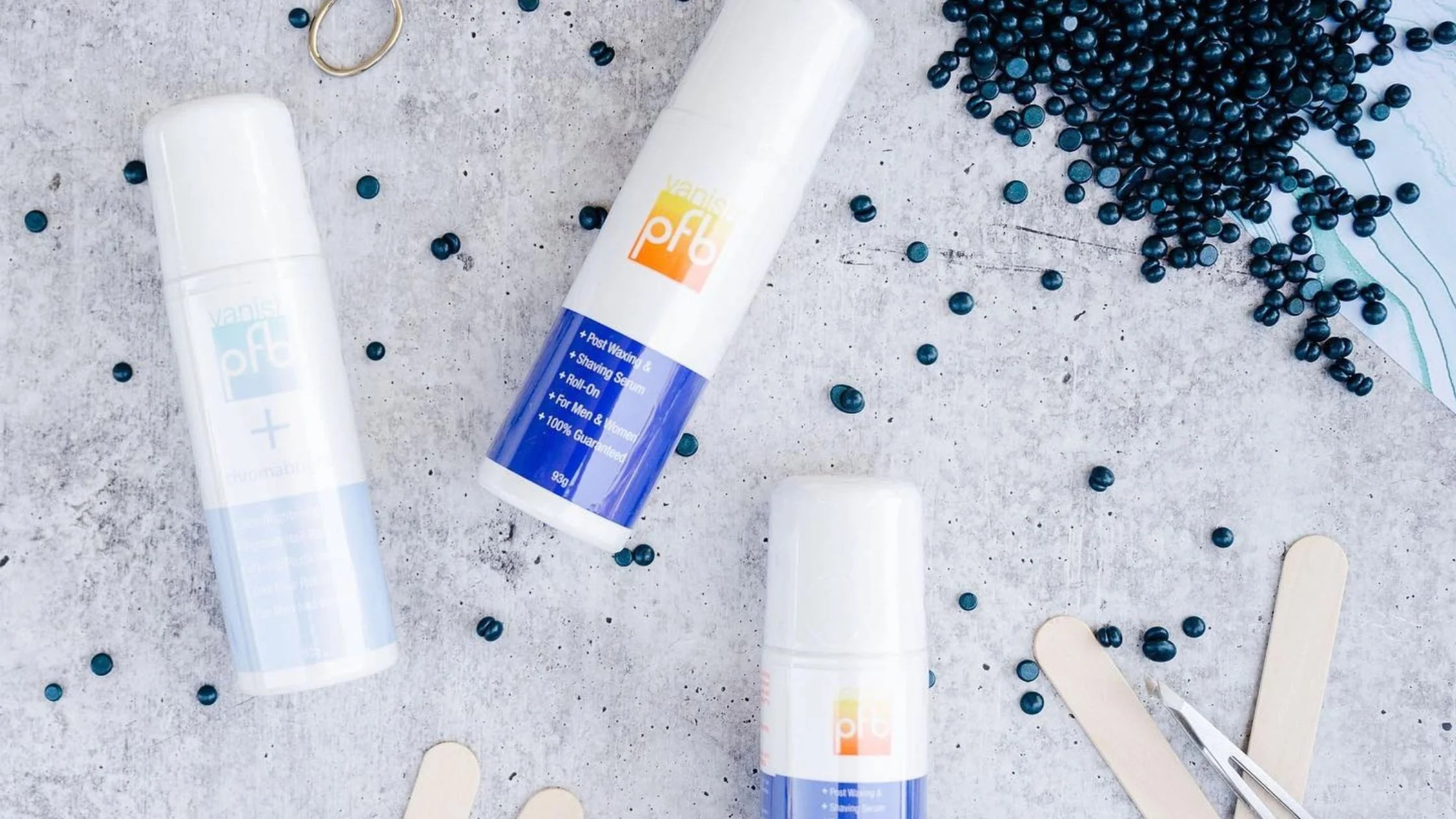
After waxing, soothing products are usually applied to calm your skin and help it recover.
All of these steps work together to create a safer waxing experience.
Why Professional Waxing Standards Matter
Professional waxing standards are there to protect your skin and ensure every step, especially temperature control, is handled with care. By trusting trained specialists and high-quality equipment, you’re choosing a safer and more comfortable waxing experience—one where your skin’s well-being comes first. The next time you think about waxing, remember that how the wax is handled matters just as much as the wax itself.
What really makes the difference is how the service is handled. Temperature control, clean tools, quality products, and proper training all work together to protect the skin.
Studios that follow high professional standards usually get better results. Clients often have less irritation, smoother regrowth, and fewer problems after their appointments.
The goal isn’t just to remove hair. It’s to do it in a way that protects your skin’s natural barrier.
Final Thoughts
Most clients don’t think much about wax temperature when they schedule an appointment, but it plays a surprisingly big role in how comfortable the service feels.
When the wax stays at a safe, steady temperature, the process goes more smoothly. Hair comes out cleanly, your skin stays calmer, and recovery is usually faster, especially during the first 24 hours after waxing, when your skin is actively repairing itself.
That’s why professional studios pay close attention to temperature throughout the service. Along with proper technique, thoughtful prep, and simple aftercare, it helps keep the experience comfortable and safe for the skin.
So the next time you come in for a wax, remember that a lot of small details are happening behind the scenes, from the equipment being used to how the wax is managed during the service. Those details are what help make the experience smoother for your skin.
