
When Post-Wax Reactions Are Actually a Problem
So you waxed. You prepped, you breathed through the pull, and now you’re staring at your skin in the mirror wondering, “Is this just irritated… or am I about to become a cautionary tale on TikTok?” Let’s decode the drama, because not every bump or blush is a disaster, but some post-wax reactions do mean it's time to put the aloe down and call in backup.
How can you spot an Allergic Reaction from a Normal Response
Redness, bumps, and itchiness happen to nearly everyone after waxing, but not all reactions are created equal. If you understand how your skin reacts after waxing, you’ll be better equipped to tell the difference between harmless flushes and reactions that require serious attention. If your skin flares up beyond the usual flush, it could be something more than just irritation. This section breaks down how to tell the difference, because misreading a reaction can make things a whole lot worse the next time around.
What’s the difference between allergic dermatitis and a histamine flush?
A histamine flush is your skin’s immediate reaction to trauma. It’s fast, hot, red, and fleeting, usually gone within a few hours, sometimes even less. This is your body saying, “Something happened here,” but without launching a full-on immune investigation. It’s like an alarm that resets itself once the threat passes. Allergic contact dermatitis, on the other hand, plays a much slower game. It doesn’t show up right away. You might feel fine initially, but by the next day, you’re noticing red, itchy, blistering patches that weren’t there before, and they’re getting worse, not better. That’s not a flush. That’s your immune system formally rejecting something it didn’t like: a wax ingredient, a fragrance, a preservative. The timing, appearance, and duration are what separate the two, and knowing the difference could save you from a repeat reaction next time.
Should I ask for a patch test next time?
If you’ve had any sort of reaction before, even if it seemed minor or resolved quickly, asking for a patch test is a smart move. It’s especially important if you’re trying a new waxing product, switching estheticians, or getting waxed in a sensitive area like your face or bikini line. Patch tests involve applying a small amount of wax to a discreet area 24 to 48 hours before your session to see if your skin reacts. It’s low-risk and high-reward, giving you peace of mind before your full appointment. And if you’re someone with a history of skin sensitivity, allergies, or unexplained post-wax flare-ups, patch testing should be standard.
Will antihistamines help my post-wax swelling?
They often do, especially when histamine is the primary driver behind your symptoms. Oral antihistamines like loratadine or cetirizine can blunt your body’s inflammatory reaction, but timing is everything. If you take them too late after your skin is already inflamed, they may not make much of a dent. For best results, take them proactively or as soon as you notice signs like itching, flushing, or swelling starting to build. Just keep in mind: antihistamines won’t help with bacterial infections or allergic contact dermatitis. They're targeted for histamine-based responses only, so if you’re not sure what kind of reaction you’re dealing with, consult a professional before self-treating.
How to Tell If Post-Wax Redness Is Just Irritation or a Sign of Infection
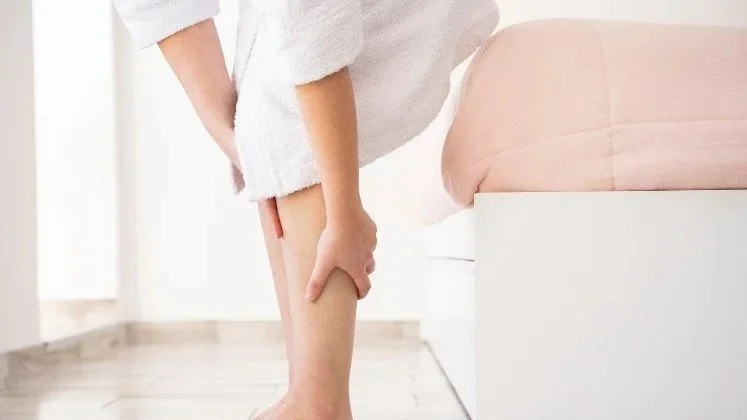
Not all redness is a red flag, but some of it definitely is. If you're wondering whether that blotchy patch is normal inflammation or something more serious, you’re not alone. Here’s how to spot when post-wax redness is doing its job and when it’s crossed into problem territory.
How quickly should redness subside after waxing?
Normal redness should start fading within a few hours and be almost gone by the 24-hour mark. That flushed warmth is part of your skin’s natural inflammatory response, and it's nothing to worry about, unless it sticks around longer than it should. If redness intensifies after a full day, starts spreading, or comes with heat, pain, or pulsing, you may be dealing with an infection, not just prolonged irritation. In these cases, assuming it will go away on its own could delay treatment and increase your risk of scarring or pigmentation changes. Watch how the redness behaves: it should peak early, then fade.
Is redness around hair follicles always a problem?
Not at all. Small red dots around each follicle are extremely common right after waxing. That’s just your skin reacting to the sudden removal of hair; it’s called follicular edema. But if those dots become tender, swollen, or start producing pus, that’s a different story. You’re no longer dealing with a routine post-wax reaction, but the early stages of folliculitis, which is a localized infection of the hair follicle. The shift usually happens within 24–48 hours post-wax, and you’ll notice the difference in how the skin feels and behaves. It’s not about whether the bumps look “bad”, it’s about whether they’re escalating.
What does a bacterial infection feel or look like?
A bacterial infection post-wax typically presents with localized swelling, sharp tenderness, visible pus, and sometimes blisters or skin that feels hot to the touch. It might start in a small area and spread outward over hours or days. You may also notice a deep ache beneath the skin or feel like certain areas are too painful to touch. If your skin is weeping fluid, crusting over, or looks suddenly raw, it’s your immune system fighting off pathogens that entered through damaged follicles or microtears. This is not something to manage with over-the-counter creams. Call your esthetician or doctor as soon as those symptoms show up.
How to tell if waxing caused a skin problem
You don’t need a medical degree to figure it out; you just need to track the timeline. Ask yourself three questions: Did this reaction start within 24 hours of waxing? Is it getting worse, not better? Is the skin hot, painful, or leaking fluid? If two or more of those answers are yes, then waxing was very likely the trigger. The body doesn’t randomly produce trauma symptoms; something had to cause them. And when waxing is the last major contact event, the link is usually obvious in hindsight. If you’re unsure, take photos and track the progression. Worsening symptoms over 24 to 72 hours are your cue to escalate.
When Bumps Stick Around Longer Than They Should
Post-wax bumps are usually nothing to stress over until they don’t go away. If you're seeing the same raised spots long after the hair’s gone, your skin may be telling you something more important. Here’s how to know when those bumps are just lingering and when they’re calling for backup.
When to worry about bumps after waxing
Bumps are normal during the first 24 to 48 hours after waxing. They’re your skin’s way of adjusting to hair being forcibly removed and follicles left open. But if those bumps are still present after three days, or if they’re getting larger, more painful, or start filling with fluid, you’re officially out of the “normal reaction” window. This is when inflammation may be shifting toward infection or delayed irritation, often triggered by tight clothing, friction, or improper aftercare. When bumps linger, the smartest move is not to wait and see, it’s to change course before it gets worse.
Can improper wax removal cause prolonged irritation?
Sometimes. If wax is applied too hot, pulled in the wrong direction, or used repeatedly on the same spot, it can leave the skin feeling a little more sensitive than usual. This doesn’t always mean something went wrong. Sometimes, a little sensitivity might just take your skin a bit longer to bounce back. Technique plays a role, and small adjustments can make the experience more comfortable, especially for sensitive areas.
Should I exfoliate if the bumps don’t go away?
Only once the inflammation has completely subsided. If your skin is still red, swollen, or sensitive, exfoliating can do more harm than good. The temptation to “scrub away the bumps” is understandable, but the truth is, exfoliation only helps once the barrier has healed. Jumping in too early can reopen microtears, strip away healing tissue, and invite bacteria deeper into the skin. Wait until the area feels calm to the touch, with no signs of active irritation, and then begin with gentle exfoliation to help prevent ingrowns. When in doubt, wait one more day; it’s better to delay than to re-injure your skin.
Wax Burns Aren’t Just Redness, Here’s What to Look For
Wax burns aren’t always obvious right away. What starts as “a little too hot” can quickly turn into a lingering, painful issue, especially if your skin barrier’s already vulnerable. Here’s how to recognize the signs of real burns (not just redness) and what separates heat damage from product mishaps.
Are hard waxes more likely to cause burns?
Not by design, but it depends on how they’re used. Hard wax stays on the skin longer as it cools and sets, which means if it’s overheated, that heat has more time to transfer. Soft wax, in contrast, is removed immediately, so even if it’s warm, it doesn’t linger. Both formulas are safe when handled properly, and neither is automatically better for sensitive skin. What matters more is application temperature, speed, and the esthetician’s technique.
Could this be a chemical burn instead?
Chemical burns don’t happen during the wax; they happen after, when a post-wax product clashes with compromised skin. These burns can occur even if the product is marketed as “soothing.” What makes it worse is that chemical burns often look like regular irritation at first, which means they go unnoticed until symptoms escalate. If you feel an intense stinging, see blistering, or notice peeling skin after applying a lotion, serum, or wipe, your skin is reacting to the product. And it’s not always about the formula being “bad”, it’s often about timing. Post-wax skin has a disrupted barrier, which means ingredients that would normally be harmless suddenly become reactive. If symptoms start hours after waxing, don’t assume it’s just lingering sensitivity. You might be dealing with a chemical injury that needs immediate care.
What level of pain is too much after waxing?
Pain that comes and goes within a few hours is expected, especially in areas where the skin is thinner or more sensitive. But if the pain is sharp, constant, or worsens with movement, clothing contact, or even a breeze across the skin, it’s inflammation that’s gone too far. True burn pain doesn’t stay at the surface. It throbs, deepens, and can even disrupt sleep or daily movement. If the pain increases instead of fading, or if it feels hot, tight, or raw long after your appointment, it’s a sign your skin isn’t healing properly. That’s not discomfort to manage with a cold towel. That’s trauma your body is struggling to repair on its own, and it needs the right intervention fast.
Knowing When It’s Time to Call Your Esthetician (or a Doctor)

Sometimes a cool compress and some aloe are all you need. Other times, your skin is yelling for professional help. This section covers the turning point, when post-wax reactions stop being manageable at home and start needing real intervention.
Is it too late to fix this at home?
If you’re still seeing redness, pain, or texture changes 72 hours after waxing, you’re beyond the window where at-home fixes usually work. The first two days post-wax are when skin does most of its repair work. If things haven’t improved by then, your skin might need clinical attention. A wax burn that hasn’t cooled down, faded, or started to crust and heal is no longer a short-term reaction; it’s an injury. That doesn’t mean you’re in danger, but it does mean your barrier is compromised and vulnerable to infection or pigmentation.
What to do if the skin reacts badly to waxing
Your first step should be to strip everything back. No intense acids, no actives, no strongly scented creams, and absolutely no exfoliation. Instead, focus on barrier repair. Use a fragrance-free, occlusive-rich healing ointment or cream, something built for compromised skin. Think zinc oxide, ceramides, or panthenol, not trendy actives. Let your skin rest and rebuild without interference. Keep it clean, keep it covered if needed, and let the inflammation run its course without additional triggers. This isn’t the time for product layering or DIY hacks. Your skin needs space and support to heal. But honestly, prepping your skin to avoid bad reactions in the first place makes recovery a lot easier.
When should I stop treating it myself?
Once you see pus, blisters, skin that’s weeping fluid, or spreading redness that grows beyond the waxed area, stop all self-treatment. Persistent pain, especially pain that worsens with movement, touch, or temperature, also falls outside of the at-home category. These are signs of either infection or second-degree burns. Continuing with over-the-counter creams or hoping time will fix it can delay proper care and increase your risk of scarring or hyperpigmentation. If your symptoms are growing, not fading, that’s your cue to book with your esthetician or, better yet, a dermatologist.
What to Keep in Mind Before You Panic
Not every post-wax reaction is an emergency, and most don’t require a freak-out. But a few key signs can help you catch issues early before they become long-term skin drama. Here’s how to keep calm, stay observant, and respond when it matters without going into full panic mode.
Most reactions are normal, but here’s when to follow up
A little redness? Normal. A bit of tenderness? Totally expected. Even some tingling or sensitivity when you shower later that day? All within range. But when things get worse after the 24-hour mark, when discomfort starts to intensify instead of taper off, that’s when it’s time to listen closely. Skin that starts fine and suddenly flares up the next day isn’t recovering, it’s reacting. And no one knows your baseline better than you. If something doesn’t feel right, trust your gut and your esthetician. Post-wax flare-ups might show up more easily, but they should still fade fast. If not, it's worth checking in. You don’t need to panic, but you also don’t need to wait for things to get severe before you ask for help. Some of that second-guessing comes from waxing myths that cause confusion, so it helps to separate fact from fear. Early attention prevents long-term problems.
Should I switch wax types next time?
If you’ve had more than one reaction, or if your skin consistently feels raw, bumpy, or inflamed after waxing, it may not be about your skin at all. It could be the wax. Different waxes have different ingredients, melting points, and adhesion levels. Some are better suited to coarse hair, while others are gentler for delicate areas. Some contain rosin or fragrance, both of which can be reactive on sensitive skin. If your esthetician is using the same product every time and you’re always flaring up, ask about trying a different wax type or brand. Sometimes, switching formulas is the easiest way to avoid repeat reactions and to finally enjoy waxing without the drama afterward.
Frequently Asked Questions
Still wondering if your reaction is normal or if your skin’s staging a full-on protest? You’re not alone. These are the questions we get all the time from clients who thought they were just getting a wax and ended up getting a whole dermatological mystery. Let’s clear it up.
How do I know if my waxing reaction is serious?
Your skin will usually tell you right away when it’s crossed the line from “normal reaction” to “this needs medical attention.” A serious post-wax reaction includes symptoms that escalate instead of fading. Watch for pus-filled bumps, blisters that don't scab over, redness that spreads like a rash, or any pain that increases after the first 48 to 72 hours. These are signs that the skin’s natural healing process has been interrupted, either by bacteria, an allergic reaction, or skin trauma. If you're unsure, trust the timeline: symptoms should be improving by day two, not intensifying.
What are the signs of infection after waxing?
Infection after waxing isn’t common when proper hygiene and technique are followed, but it can happen. The signs often begin subtly: redness that stays put or deepens in color, heat radiating from the waxed area, swelling that feels tight, and eventually, the presence of pus or painful, pimple-like bumps. You may also notice the skin feeling unusually tender or see crust forming. These signs often appear between 24 to 72 hours post-wax and suggest that bacteria have entered through microtears in the skin or open follicles. The safest move? Contact your esthetician or a dermatologist before trying home remedies.
Can you get burned from waxing?
Yes, and there are actually two different types of burns to be aware of. The first is thermal: it happens when the wax is applied too hot, causing surface burns that may leave your skin red, blistered, or peeling. The second is a chemical burn, usually from harsh ingredients or improper pre-wax prep (like exfoliating too close to your appointment). Both types of burns can mimic common post-wax irritation at first, but they tend to hurt more, last longer, and get worse with friction or heat. If your skin feels raw or continues to sting long after the wax, reach out to a professional right away.
How long should waxing irritation last?
For most people, post-wax irritation should be a short-term event, lasting no more than 24 to 48 hours. This includes symptoms like light redness, a warm feeling, or minor bumps. If you're still experiencing discomfort beyond that window, or if your symptoms start to escalate rather than ease, it's a red flag. Your skin might be reacting to an aftercare product, facing too much friction, or dealing with an undetected sensitivity. Timing matters here: if it’s day three and you're still itchy, inflamed, or uncomfortable, take a break from active ingredients and talk to your esthetician or healthcare provider.
When should I see a doctor after waxing?
You don’t need to run to a doctor for every red bump, but there are clear points where medical help is the safest move. See a doctor if your skin becomes hot to the touch, swollen in a way that restricts movement, or starts to blister or ooze. Also, don’t ignore systemic symptoms like chills, fatigue, or fever; these can indicate that your body is fighting off an infection. If you’ve tried basic aftercare (cool compress, gentle cleansing, loose clothing) and nothing’s improving, or it’s getting worse, it’s time to stop guessing and get professional support. Your skin barrier is delicate, and early care prevents long-term damage. When you see infection signs, experience intense or spreading pain, or reactions last longer than 3–5 days without improvement, please see a doctor
