
Why a Wax Studio Can Look Clean and Still Have Bad Hygiene Practices
A studio might smell great, have spotless white walls, matching furniture, soft lighting, and a neatly organized front desk, but still have poor hygiene habits behind the scenes.
Most people assume that if a studio looks clean, it is clean. When you walk into a polished, well-organized space, you tend to relax. You notice the decor, the organization, and the atmosphere. Most clients aren’t focused on sanitation protocols or watching how tools are handled every moment. They judge the space by what they can see right away.
But with waxing hygiene, looks only tell part of the story.
True sanitation is about what happens during the service, which in turn can affect what happens during the first 24 hours after waxing. It’s in the habits, routines, and small details that most clients don’t notice. Unless you work in the industry, you might not know what really matters.
That’s completely normal.
Most people don’t walk into a wax appointment thinking about glove changes or sanitation steps. They focus on the atmosphere. Is the space attractive? Does it feel modern and organized?
These things help with comfort, but they aren’t the same as good hygiene.
In fact, some of the most important hygiene practices in waxing are almost invisible when done right.
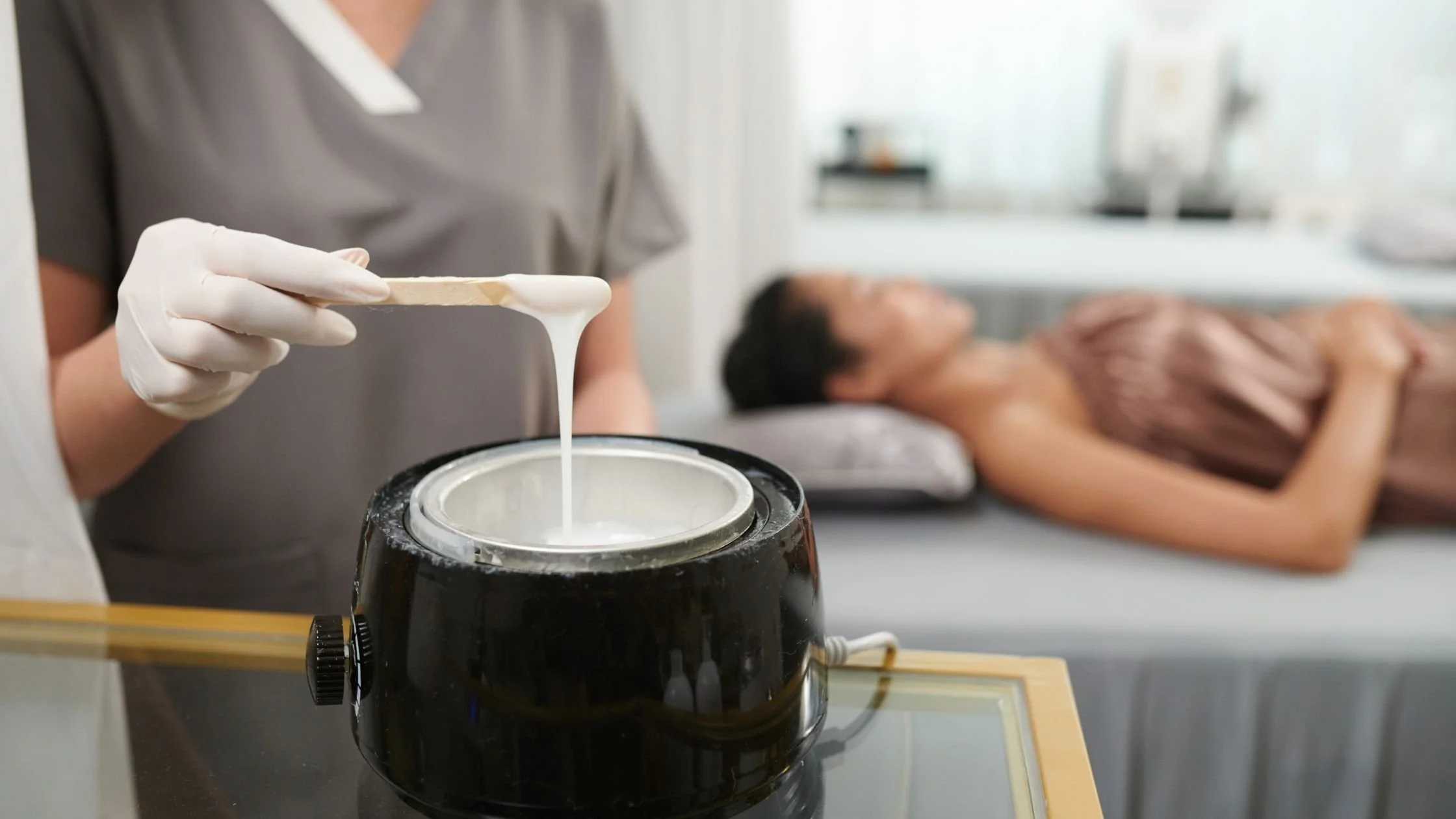
Why Visual Cleanliness Can Be Misleading
This often surprises people.
A studio can look spotless but still have poor hygiene behind the scenes. The way a place looks and how it’s actually cleaned aren’t always the same.
You might see beautiful decor, organized shelves, neutral colors, and a treatment room that looks ready for Instagram. But none of that shows how well tools are sanitized or if hygiene practices are followed all day.
A clean-looking studio might have:
Neutral decor
Minimalist design
Perfect lighting
Organized shelves
Matching containers
A polished social-media-friendly appearance
None of these things show how tools are handled between clients.
They don’t tell you if applicators are reused, if surfaces are disinfected properly, or if sanitation is consistent all day.
Of course, there’s nothing wrong with wanting a beautiful studio. A welcoming space matters, and clients should feel comfortable right away.
The problem comes when people judge safety based only on looks.
Social media has made this even more common. Studios know they’ll be photographed and shared online, so they focus on making the space look good.
But sanitation usually doesn’t show up well in photos.
You can’t always spot good hygiene in a picture.
The most important things usually happen quietly in the background:
Hand washing
Glove changes
Tool sanitation
Surface disinfection
Preventing cross-contamination
These steps aren’t flashy, but they’re what really make a waxing studio sanitary.
What Actually Makes a Waxing Studio Hygienic
This is what really matters.
Real waxing safety is about repeatable habits and consistent sanitation, not just how things look.
Most of the important steps happen during the appointment itself.
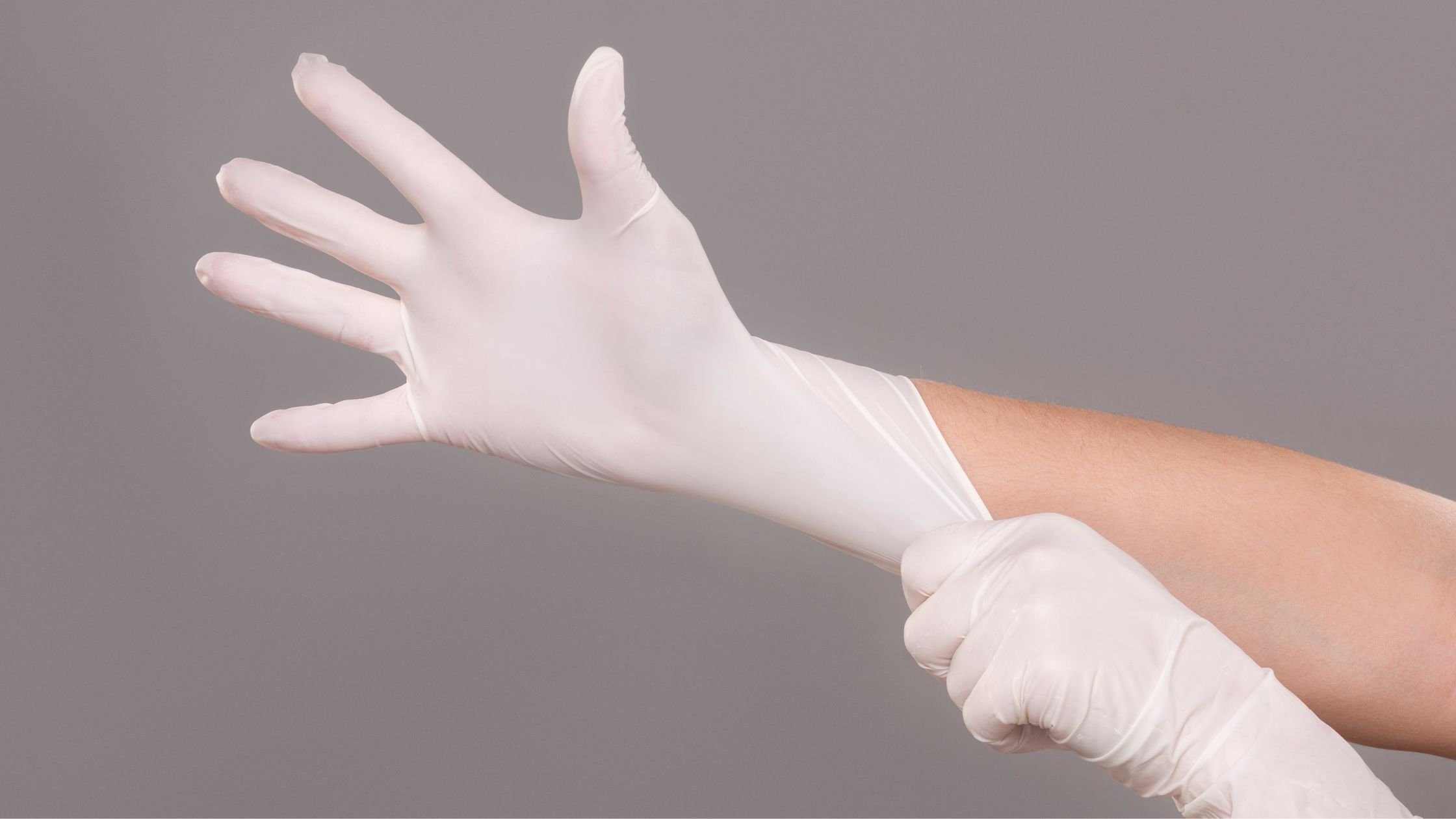
Hand hygiene
This is one of the main signs of professionalism.
A wax specialist should clean their hands regularly, not just once in a while.
That includes:
Before the appointment
After touching potentially contaminated surfaces
Between clients
Before putting on gloves
Many clients look for gloves and think that’s the most important thing. Gloves do matter, but hygiene goes beyond that.
If someone wears gloves but keeps touching drawers, phones, bottles, or other surfaces, those gloves stop being clean very quickly.
That’s why good hygiene is really about habits and awareness. Not just checking a box or wearing gloves for appearance’s sake.
Glove use
Gloves are important, especially for intimate services like Brazilians, but there’s more to hygiene than just wearing them.
What matters more is how gloves are handled during the appointment.
Are they being changed when they should be? Is the wax specialist touching other surfaces in between? Things like phones, drawers, product bottles, or even the treatment bed can all transfer bacteria if someone isn’t being careful.
Clients don’t always notice this part. They see gloves and immediately assume everything is sanitary, but gloves only help when they’re being used properly from start to finish. In professional studios, they’re just one piece of a much bigger hygiene routine.
No double-dipping
This is a big topic in the waxing industry for good reason.
Double dipping means using the same applicator in the wax pot more than once after it touches the skin.
That should never happen.
Once an applicator touches the body, it’s contaminated. Reusing it puts bacteria back into the wax.
A clean waxing studio uses fresh applicators throughout the entire appointment.
Not sometimes. Every time.
Tool sanitation
Tweezers, scissors, trays, and any reusable tools need more than a quick wipe-down between appointments.
And this is another area where looks can be deceiving.
A tool might look perfectly clean on a tray, but real sanitation is about the process, not just appearances. Most clients wouldn’t know the difference, since the important steps happen before the tools return to the room.
That’s why good waxing hygiene depends on consistent procedures, not just how things look.
Surface disinfection
The same goes for treatment beds, counters, trays, and other surfaces people often touch.
Good studios don’t just clean when things look dirty. They disinfect regularly throughout the day, especially between appointments.
Clients might not notice this because it happens quickly and quietly while the room is reset. But those moments matter more than most people think.
That consistency is a big part of what separates a simply “clean-looking” space from a genuinely sanitary waxing studio.
Fresh linens and applicators
Clients might expect this to be automatic, but it really matters.
Fresh table paper, clean linens, and single-use applicators help reduce bacteria and make the service feel more controlled and hygienic.
Good sanitation isn’t flashy. It’s made up of small habits repeated consistently throughout the day. Most happen quietly in the background, but together, they create a truly clean waxing studio.
The Difference Between Clean Appearance and Safe Practices
A studio can look very organized, but still have poor hygiene habits.
People don’t always realize this.
Organization helps, but it isn’t the same as sanitation.
Nice shelves don’t show if tools are sanitized properly.
Minimalist decor doesn’t show if gloves are changed when they should be.
A spotless lobby doesn’t show how well cross-contamination is handled during treatment.
That’s why procedures matter more than looks.
Real hygiene is about following procedures.
It’s about what happens at every appointment, even when no one is watching closely.
That consistency is what separates a visually clean studio from a genuinely hygienic one.
Small Things Clients Often Miss
A lot of the most important hygiene details are things clients simply wouldn’t know to look for.
That’s not a criticism. Most people aren’t trained to notice them.
But these small details matter.
Wax pots
Clients often assume the wax itself is automatically sanitary.
But how the wax is handled is important.
If contaminated applicators are reused, bacteria can get into the wax pot. That’s why no double-dipping is so important in professional waxing.
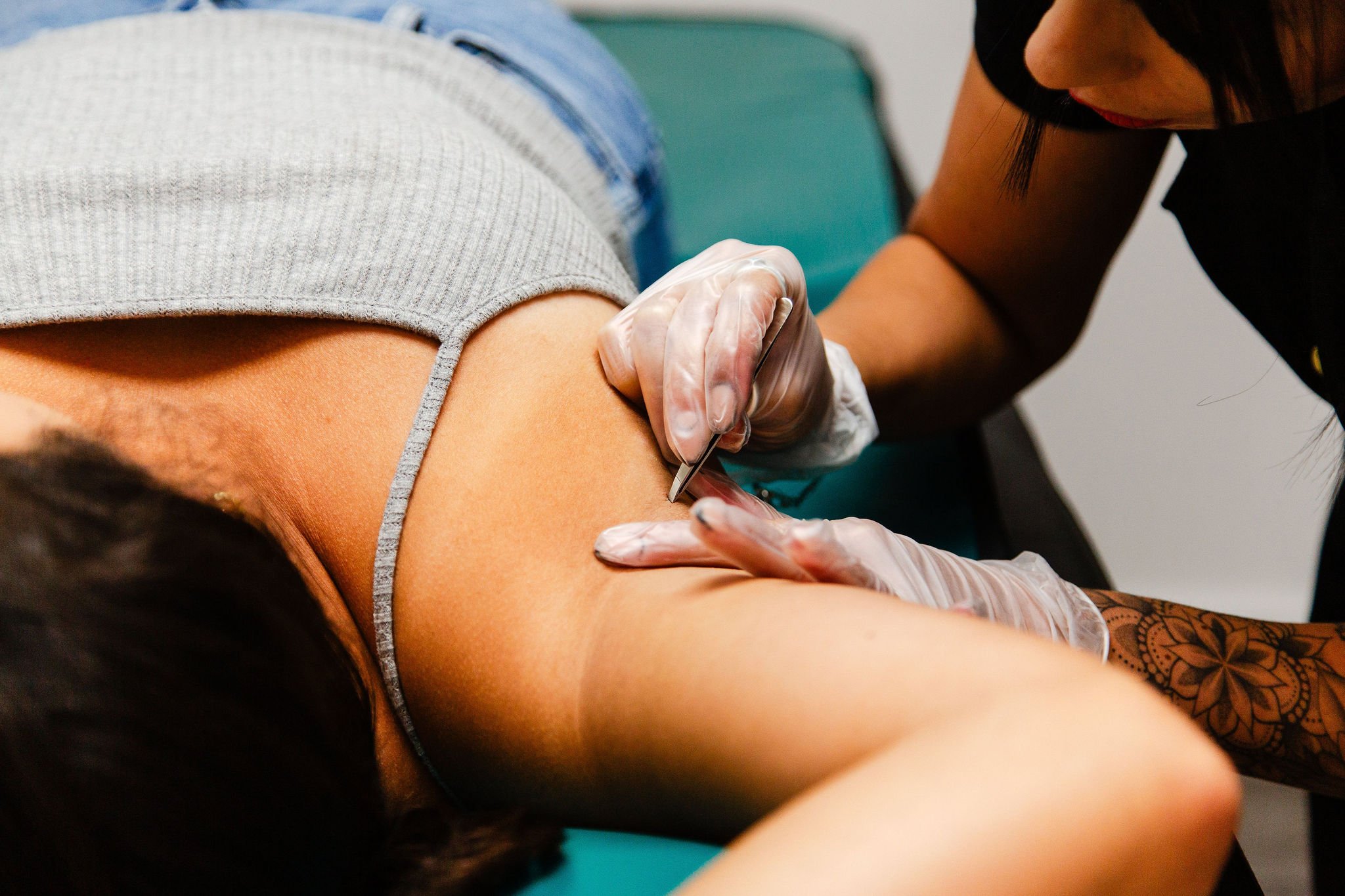
Tweezers
Tweezers are small, easy to overlook, and used constantly.
They should be sanitized properly between clients every single time.
Not just wiped quickly, but actually sanitized.
Reused tools
Sometimes clients see tools sitting out and assume they’re clean because the room itself looks neat.
But sanitation isn’t about appearance. It’s about the process.
Professional studios have systems for cleaning, storing, and handling tools throughout the day.
Gloves touching multiple surfaces
This is something people rarely notice at first.
A wax specialist might put on gloves, but then touch:
Their phone
A drawer handle
A bottle
A payment device
At that point, those gloves are no longer clean.
Good hygiene means noticing these moments and changing gloves when needed.
Why Consistency Matters More Than Occasional Cleaning
One of the main differences between strong and weak hygiene is consistency.
Anyone can clean up when they know someone is watching.
Real professionalism shows up in the routine.
Sanitation needs to happen:
Between every client
Throughout the day
During busy hours
Even when the schedule is packed
That’s what makes a studio truly safe.
Many hygiene problems don’t come from one big mistake. They happen because of small shortcuts taken over time.
Skipping glove changes occasionally. Rushing sanitation between appointments. Reusing something “just once.”
That’s usually how hygiene standards start slipping. Not from one huge mistake, but from little shortcuts becoming normal over time.
Studios that keep strong hygiene over time have clear routines. People aren’t guessing or doing things only when they remember. The process stays consistent, even on busy days.
That consistency is what clients notice, even if they can’t explain why one studio feels more professional than another.
What Professional Hygiene Actually Looks Like
This is interesting because real professional hygiene usually feels very low-key.
It’s not about putting on a show to look sanitary. These habits are just part of how they work throughout the appointment.
You’ll notice small details more than big, dramatic actions. The setup feels organized, movements are intentional, and nothing seems rushed. The wax specialist isn’t scrambling to find tools or clean things during the service.
There’s usually a calm rhythm to the appointment, thanks to routines built into the workflow.
Ironically, studios with the best hygiene often aren’t the ones always advertising how clean they are. They quietly keep high standards every day without making a show of it.
Over time, clients notice that consistency. That’s what builds trust.
Questions Clients Should Feel Comfortable Asking
Many clients worry about sounding rude or awkward when they ask about hygiene.
You shouldn’t.
Any professional studio should be happy to answer questions about sanitation.
In fact, good studios usually appreciate clients who care about hygiene.
You can ask things like:
“Do you double dip?”
“How are tools sanitized?”
“How often are surfaces disinfected?”
“Do you use fresh applicators throughout the service?”
These are all reasonable questions.
The response matters too.
A confident, transparent answer usually tells you a lot about the studio’s standards.
Red Flags That Matter More Than Aesthetics
Some things matter much more than nice branding or a perfectly decorated interior.
Some of the biggest waxing studio red flags are actually behavioral.
For example:
Gloves being worn, but constantly touching phones, drawers, or other surfaces.
Tools being reused without proper sanitation
Poor hand hygiene during appointments
Workstations getting messy or contaminated during treatment without being reset properly
These habits tell you much more about a studio’s real cleanliness than the decor ever could.
A studio can absolutely look polished on the surface, while small hygiene habits are slipping during the actual service. Most clients won’t immediately notice those details because, naturally, your attention goes to the overall vibe of the room first.
But the little things happening throughout the appointment usually tell you more than the decor does.
Rushed services
Clients often notice quickly if an appointment feels rushed.
That doesn’t always mean the service is unsafe, but when someone rushes from one client to the next, it’s easier to miss small hygiene steps. Resetting the space, changing gloves, or keeping tools organized can get rushed instead of done carefully.
A professional wax appointment should feel efficient, but it shouldn’t feel frantic. There’s a difference.
Poor organization during treatment
A treatment room doesn’t have to be luxurious to be professional, but it should feel organized during the service.
If the room feels disorganized during your appointment, that can tell you more than the decor. Tools being shuffled, products scattered, or someone always searching for what they need can mean there isn’t a consistent system behind the scenes.
Strong hygiene usually comes with an organized workflow, where everything has a place and a routine.
Why Hygiene Matters Beyond Infection
Many people think of sanitation only as infection prevention.
But good hygiene affects much more than that.
Poor hygiene can contribute to:
Increased irritation
Follicle inflammation
More reactive skin
Slower recovery after waxing
In some cases, what people think is just “sensitive skin” can actually be irritation patterns that keep repeating because of aftercare habits, friction, or inconsistent hygiene during appointments. If that sounds familiar, it helps to understand why you might still be getting irritated after waxing.
Strong waxing cleanliness matters for more than just avoiding obvious problems. It also affects how your skin feels afterward and how smoothly it recovers in the days following your appointment.
A cleaner environment usually means less unnecessary irritation, less stress on the skin, and a more comfortable overall experience.
How Professional Studios Build Client Trust
Trust isn’t built from one big thing. It’s the small details that add up over time.
Most clients can sense when a studio has strong routines, even if they can’t say exactly why. The appointment flows smoothly, the room feels under control, and the wax specialist doesn’t seem distracted or scattered.
Usually, hygiene just feels like a natural part of the service. It doesn’t seem like someone is trying to look extra clean just for show.
Transparency also goes a long way.
A professional studio shouldn’t get awkward or defensive when asked about sanitation. These are normal questions, and most experienced wax specialists know clients just want to feel safe and informed.
A lot of trust also comes from education.
Good wax specialists explain things clearly. They help clients understand what’s normal after waxing, how to properly care for their skin before and after appointments, and why hygiene practices matter.
When people understand what’s happening and why, they usually feel more comfortable during the whole experience.
Most clients aren’t experts in sanitation, and they shouldn’t have to be.
It’s normal not to know what to look for at first.
But understanding the difference between a studio that looks clean and one that consistently follows proper hygienic waxing practices can help you make better decisions about where you go.
You should never feel awkward about asking hygiene questions at a wax studio.
A professional should expect those questions and be comfortable answering them. You’re trusting someone with your skin, so wanting to understand their sanitation practices is completely reasonable.
At the end of the day, professional waxing should feel clean, safe, and handled with care from the moment you walk in to the moment you leave.
And real hygiene usually isn’t the flashy part people notice first. It’s the small, consistent habits happening throughout the appointment that make the biggest difference over time.
