
What Happens If Waxing Tools Aren’t Properly Sanitized?
Most people focus on the results when they think about waxing.
Will the skin feel smooth?
How long will it last?
Will there be irritation afterward?
But most people don’t really consider what happens behind the scenes with the tools used during their appointment.
That’s understandable.
Clients usually don’t see the sanitation process. You might notice the treatment room and setup, or the wax pot nearby, but you’re not there to watch tweezers being cleaned, surfaces disinfected, or tools handled between appointments.
Most of this work happens quietly in the background.
But when it comes to waxing hygiene, those behind-the-scenes details are more important than most people think.
Good sanitation isn’t just about how things look. It’s about having consistent habits that prevent small hygiene issues from turning into skin problems later.
This doesn’t mean waxing is unsafe. In fact, professional waxing is very safe when proper hygiene is always followed.
Knowing why sanitized tools matter helps you understand what to look for, what questions to ask, and why professional standards can make a big difference in how your skin feels afterward.
Why Tools Matter More Than People Realize
Most people think about the wax itself when they consider waxing hygiene.
But in reality, hygiene often depends on the smaller tools and surfaces used during your appointment.
These details are easy to miss if you don’t work in the industry.
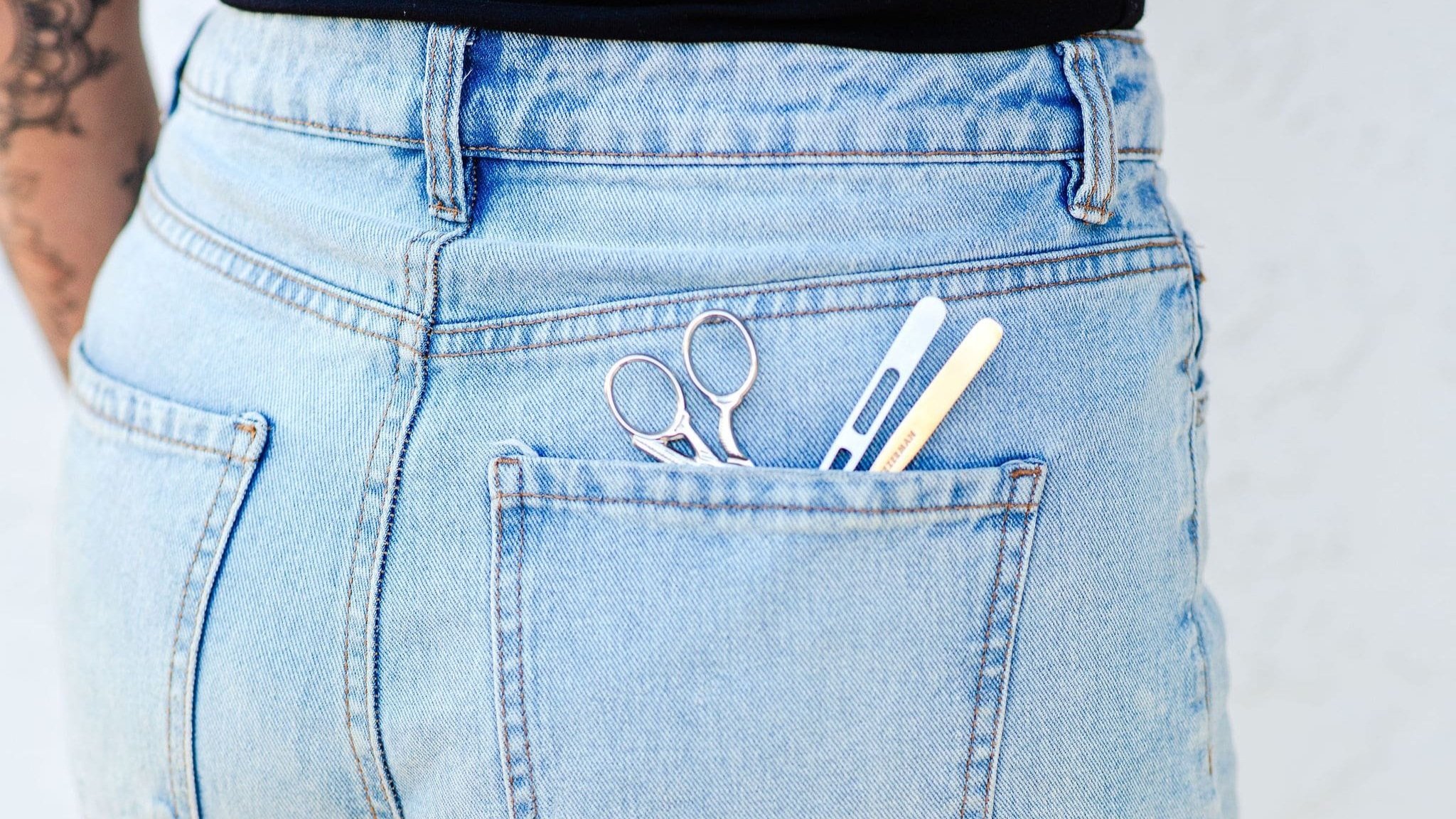
Tweezers
Tweezers are used often during waxing appointments, especially for cleanup at the end.
They’re small, reusable, and handled many times each day.
Which means proper sanitation matters every single time they’re used.
Tweezers might look clean on a tray, but looking clean isn’t the same as being truly sanitized. Proper sanitation means they go through a full cleaning and disinfection process between clients.
That process is what matters, not just whether the tool looks clean at a glance.
Scissors
Scissors are another tool that clients often overlook.
Sometimes, trimming is needed before waxing, especially if the hair is longer than ideal.
Just like tweezers, scissors are reused and need to be properly sanitized between appointments.
This is why professional routines are important. Hygiene isn’t about cleaning only when it seems necessary; it’s about following the same steps every time.
Wax pots
Wax pots are probably one of the biggest areas of misunderstanding when it comes to waxing hygiene safety.
Many clients assume the wax is always sanitary just because it’s heated.
But the real concern isn’t usually the wax temperature; it’s how the wax is handled during your service.
If applicators are reused or double-dipped, bacteria can get into the wax pot. That’s why professional studios always use fresh applicators during appointments.
How the wax is handled is just as important as the wax itself.

Applicators
This is one of the simplest, yet most important, parts of hygienic waxing.
Once an applicator touches your skin, it’s considered contaminated.
That means it shouldn’t go back into the wax pot.
Professional studios always use fresh applicators throughout your appointment, even if you don’t notice how many are used.
This is a quiet detail, but it’s key to keeping sanitation standards high.
Gloves
Gloves are important, especially for intimate waxing, but they only work if used correctly.
Clients often assume gloves automatically equal cleanliness, but glove hygiene is really about how they’re handled.
If gloves touch phones, drawers, bottles, treatment beds, or other surfaces during your service, they can still spread bacteria.
That’s why professional hygiene is more than just wearing gloves. It’s about being aware, following routines, and avoiding cross-contamination throughout your appointment.
What Can Happen When Tools Aren’t Properly Sanitized
This is the part people are usually most curious about.
Not in a dramatic way, but in a practical one.
What actually happens if hygiene standards slip?
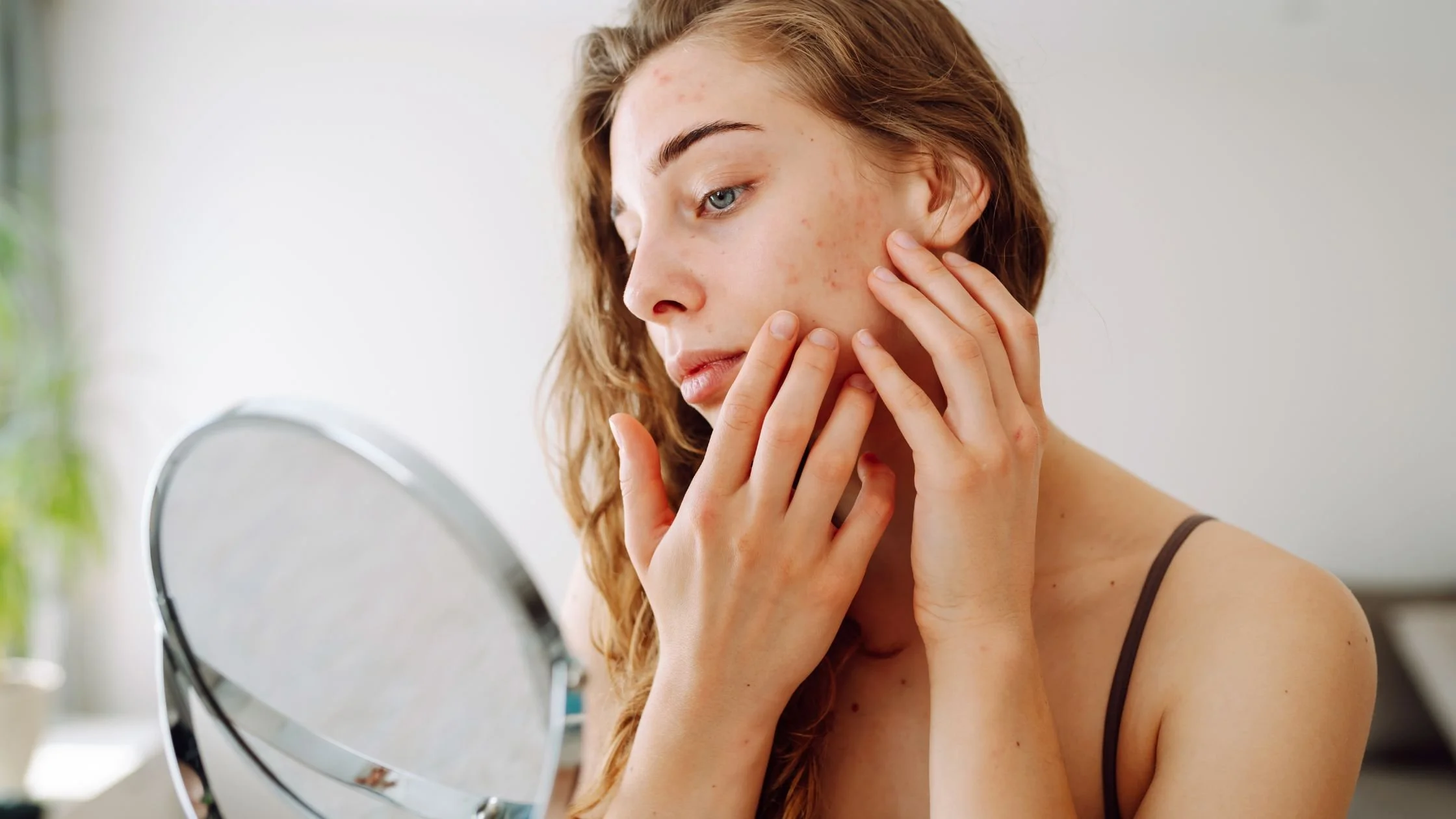
Most of the time, poor sanitation doesn’t lead to an extreme situation. More commonly, it contributes to irritation, inflammation, or skin that takes longer to calm down after waxing.
Skin irritation
One of the most immediate things clients may notice is irritation that feels more intense than expected.
That can include:
lingering redness
sensitivity
itching
discomfort that lasts longer than normal
And while irritation can happen even with proper waxing, poor sanitation practices can make skin more reactive than it needs to be.
Freshly waxed skin is already temporarily vulnerable. When unnecessary bacteria or contamination are introduced into the environment, they can worsen irritation. That’s also why understanding what happens to skin after waxing can help clients recognize the difference between normal sensitivity and irritation caused by outside factors.
Follicle inflammation
Hair follicles are naturally more exposed after waxing because the hair has been removed from the root.
If bacteria get introduced around the follicles, inflammation can happen more easily.
This can show up as:
small red bumps
tenderness
inflamed follicles
skin that feels more reactive afterward
Sometimes clients assume this is just “sensitive skin,” when in reality the skin may be reacting to irritation or hygiene issues that occur during or after the appointment.
Cross-contamination
This is one of the biggest concerns in waxing hygiene.
Waxing cross-contamination happens when bacteria are transferred from one surface, tool, or area to another.
And honestly, it’s usually caused by small things people don’t notice in the moment.
For example:
gloves touching multiple surfaces
reused applicators
improperly sanitized tweezers
contaminated workstations
This is why professional sanitation routines are so detailed. The goal isn’t just to make things look clean. It’s to reduce unnecessary transfer points throughout the service.
Bacterial transfer
Most bacteria-related issues in waxing don’t come from one major mistake.
They usually come from small hygiene lapses that stack together.
A tool wasn’t sanitized properly. Gloves touched too many surfaces. Something reusable was handled incorrectly.
Individually, those things may seem minor. But together, they can increase bacterial transfer and affect how the skin responds afterward.
Increased sensitivity
One thing people don’t always connect to hygiene is skin sensitivity afterward.
Poor sanitation can contribute to:
skin feels more irritated
longer-lasting tenderness
delayed recovery
more reactive skin overall
Sometimes clients leave thinking their skin is just naturally sensitive to waxing, when the environment itself may have played a role in how the skin recovered.
Why Cross-Contamination Is the Bigger Issue
When people think about hygiene problems, they often picture visibly dirty tools.
But in professional waxing, cross-contamination is usually the bigger concern.
Because contamination often occurs through touchpoints rather than through obvious dirt.
A wax specialist might sanitize tools properly, but if gloves touch:
a phone
a drawer
a product bottle
the treatment bed
a payment device
…those gloves are no longer considered clean.
The same goes for reusable tools placed on contaminated surfaces or for applicators handled incorrectly.
That’s why hygienic waxing practices are really about systems and awareness.
Professional studios train staff to consider where bacteria move during the service, not just whether something looks visibly clean.
And honestly, clients usually don’t notice most of these details because they happen quietly throughout the appointment.
But those little moments are exactly what strong sanitation standards are built around.
The Difference Between Cleaning and Sanitizing
This is one of the biggest misunderstandings in the beauty industry.
Cleaning and sanitizing are not the same thing.
Something can look clean and still not be properly sanitized.
For example, wiping tweezers with a cloth might remove visible residue, but that alone doesn’t necessarily disinfect the tool properly.
Sanitizing involves using the correct disinfectants and allowing proper contact time so bacteria and contaminants are actually addressed.
That’s why simply “wiping things down” isn’t always enough.
And this is another reason why appearances can be misleading.
A studio may look spotless on the surface while still having weak sanitation practices behind the scenes.
Real waxing tool sanitation relies on process, not appearances.
How Professional Wax Studios Sanitize Properly
Good sanitation usually looks pretty routine when it’s done correctly.
It’s not dramatic or performative. It’s just built into the workflow naturally.
Disposable tools where appropriate
Professional studios use disposable items whenever possible.
That includes:
applicators
table paper
gloves
certain single-use materials
This helps reduce unnecessary contamination risks between clients.
Medical-grade disinfectants
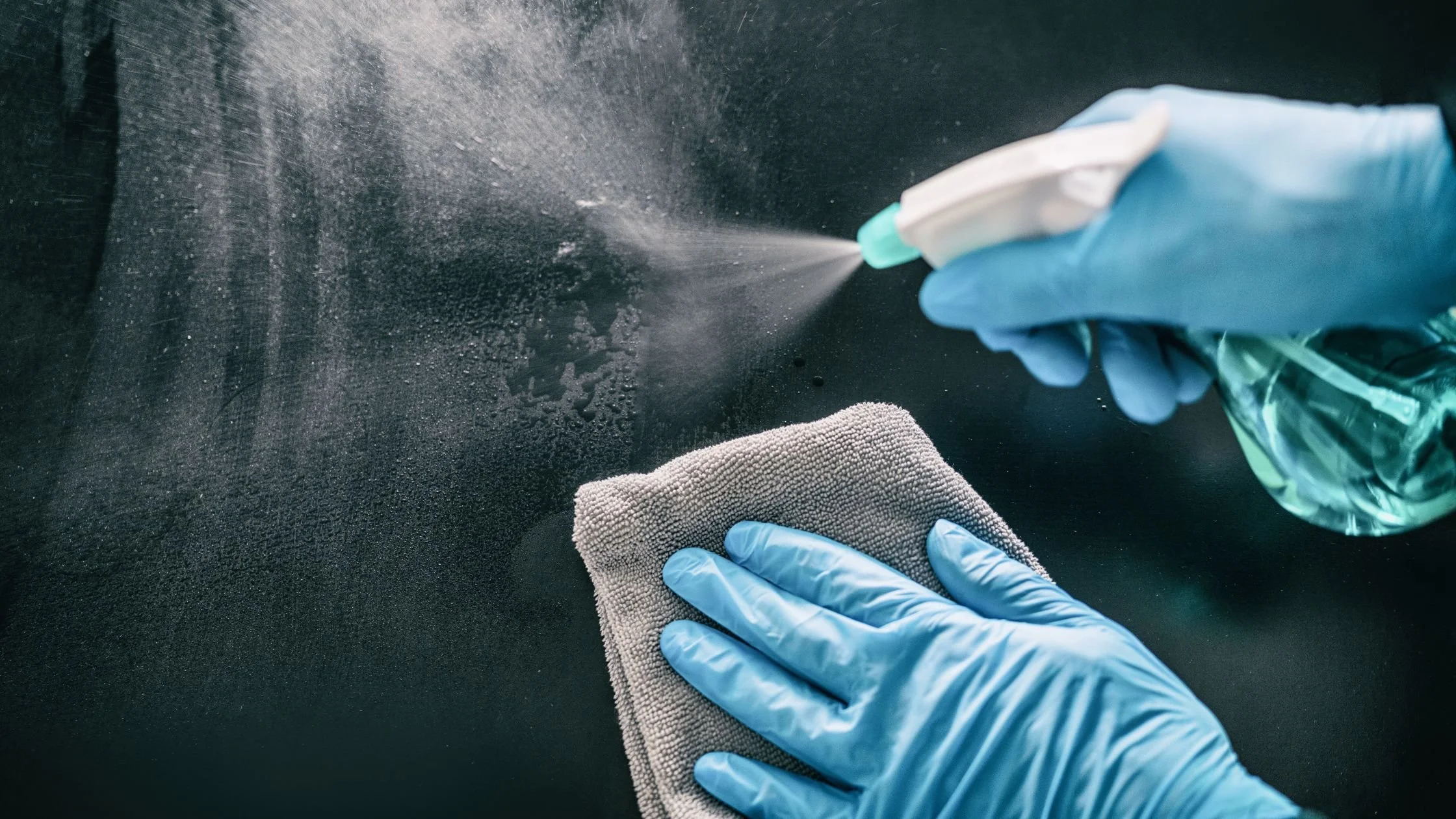
Reusable tools should be cleaned and sanitized with appropriate disinfectants, not just wiped down quickly between appointments.
Professional studios follow specific sanitation guidelines for reusable equipment.
And consistency matters here.
Not just during slow days. Not just when someone remembers.
Every client. Every appointment.
Proper storage
Sanitized waxing tools also need proper storage after disinfection.
Because even properly cleaned tools can become contaminated again if they’re handled or stored incorrectly afterward.
That’s another detail clients may not always notice, but it matters.
Fresh applicators and gloves between clients
This should always be standard practice.
Fresh gloves. Fresh applicators. Fresh setup.
Not occasionally. Consistently.
That consistency is one of the clearest signs of strong waxing safety standards.
What Clients Often Miss
Many of the most important hygiene details are things clients wouldn’t naturally know to look for.
That’s completely normal.
Wax pots
Clients often focus on whether the wax pot itself looks clean.
But the bigger question is how the wax is being handled throughout the service.
No double-dipping matters much more than whether the outside of the pot looks spotless.
Tweezers
Tweezers are easy to overlook because they’re small and constantly used.
But proper sanitation between every client matters.
Not just wiping them down quickly, but fully sanitizing them properly before reuse.
Reused sticks
This is one of the clearest waxing studio red flags.
Fresh applicators should be used throughout the appointment.
Reusing sticks after they’ve touched the skin increases contamination risk unnecessarily.
Treatment bed setup
Clients naturally notice decor first.
But treatment setup often tells you more than aesthetics do.
An organized setup, fresh linens, clean surfaces, and controlled workflow usually say more about sanitation standards than trendy decor ever will.
How Poor Sanitation Affects Skin Recovery
Sometimes clients think sanitation matters only in worst-case scenarios. But recurring irritation can sometimes come from environmental factors or inconsistent hygiene practices during appointments, which is why it helps to understand why you might be still getting irritated after waxing.
Longer irritation
Skin may stay red or sensitive longer than expected when unnecessary irritation or bacterial exposure is involved.
More bumps
Follicles can become more reactive when sanitation standards slip.
This can lead to:
inflamed bumps
tenderness
irritation that lingers longer than normal
Delayed healing
Healthy skin recovery depends on a clean environment, too.
When the skin is further irritated by poor sanitation, recovery may simply take longer.
Increased reactivity
Sometimes clients assume waxing itself is the reason their skin feels overly reactive afterward.
But the environment plays a role too.
A cleaner, more controlled environment generally helps skin recover more comfortably.
Why Professional Systems Matter
One of the biggest differences between strong and weak hygiene standards is consistency.
Anyone can clean up occasionally.
Strong studios rely on repeatable systems.
That means:
sanitation between every client
organized workflows
proper staff training
consistent routines even during busy days
Most hygiene problems don’t result from a single giant mistake.
They usually happen because small shortcuts gradually become the norm over time.
That’s why systems matter so much.
They help maintain consistency even when the schedule gets hectic.
Questions Clients Should Feel Comfortable Asking
A lot of clients worry about sounding rude if they ask hygiene questions.
You shouldn’t.
A professional waxing studio should expect those questions and be comfortable answering them.
Things like:
“Do you double dip?”
“How are tools sanitized?”
“How often are gloves changed?”
“How do you handle reusable tools?”
Those are completely reasonable questions.
And honestly, how the studio responds usually tells you a lot.
A confident, calm explanation is usually a good sign that proper procedures are already built into the workflow. Good studios should also be able to explain how clients can support healthier skin before and after appointments through proper pre and post wax care.
What a Safe Waxing Environment Actually Feels Like
A professional waxing environment usually feels calm more than anything else.
Not rushed. Not chaotic. Not overly performative.
You’ll usually notice:
organized setup
smooth workflow
consistent routines
attention to detail
calm professionalism
The hygiene side of things feels natural, not like someone is suddenly trying to “look” sanitary because they know they’re being watched.
And clients usually sense that consistency, even if they can’t explain exactly why one studio feels more professional than another.
How The Waxing Collective Approaches Hygiene
At The Waxing Collective, hygiene is approached as part of the entire client experience, not just a checklist happening in the background.
The focus is on consistency, attention to detail, and creating an environment where clients feel comfortable asking questions and understanding what’s happening during the service.
That includes:
proper waxing tool sanitation
fresh applicators and gloves
careful handling of reusable tools
consistent sanitation routines between appointments
Most of these practices aren’t flashy. They’re just part of maintaining a professional environment every day.
And honestly, that’s usually what strong hygiene looks like in real life.
When proper hygiene practices are followed consistently, professional waxing is very safe.
Most clients never need to think deeply about sanitation because strong studios already have those systems built into their services.
But understanding what matters behind the scenes can help you feel more confident about where you go and what standards to look for.
And you should never feel uncomfortable asking questions.
A professional studio should always be open about hygiene practices, tool sanitation, and how they keep services safe for clients.
At the end of the day, good sanitation usually isn’t flashy.
It’s the small habits, routines, and consistent attention to detail that help protect your skin long after the appointment is over.
