
Waxing with Sensitive Skin: How to Reduce Redness, Bumps, and Irritation
“Sensitive skin” can mean ten different things before your appointment even starts.
For one client, it means her skin turns pink quickly but settles down within an hour. For another, it means she gets tiny bumps anywhere clothing rubs. Someone else may tolerate body waxing beautifully but react around the brows because of the products in her skincare routine. Then there’s the client who says she has sensitive skin because one bad waxing experience five years ago made her nervous to try again.
All of those concerns are valid. They just do not call for the exact same response.
Waxing with sensitive skin is less about finding one magical wax, product, or aftercare trick and more about understanding how your skin behaves. A good appointment considers what is happening before the wax, how your skin responds during it, and what your routine looks like once you leave.
That is also why a little redness after waxing does not automatically mean your skin “cannot handle” waxing. Sometimes the skin is simply responding to hair being removed from the root. The more useful question is whether the reaction is mild and temporary, or whether something in the timing, technique, products, or aftercare is pushing your skin too far.
Sensitive Skin Is a Pattern, Not a Diagnosis
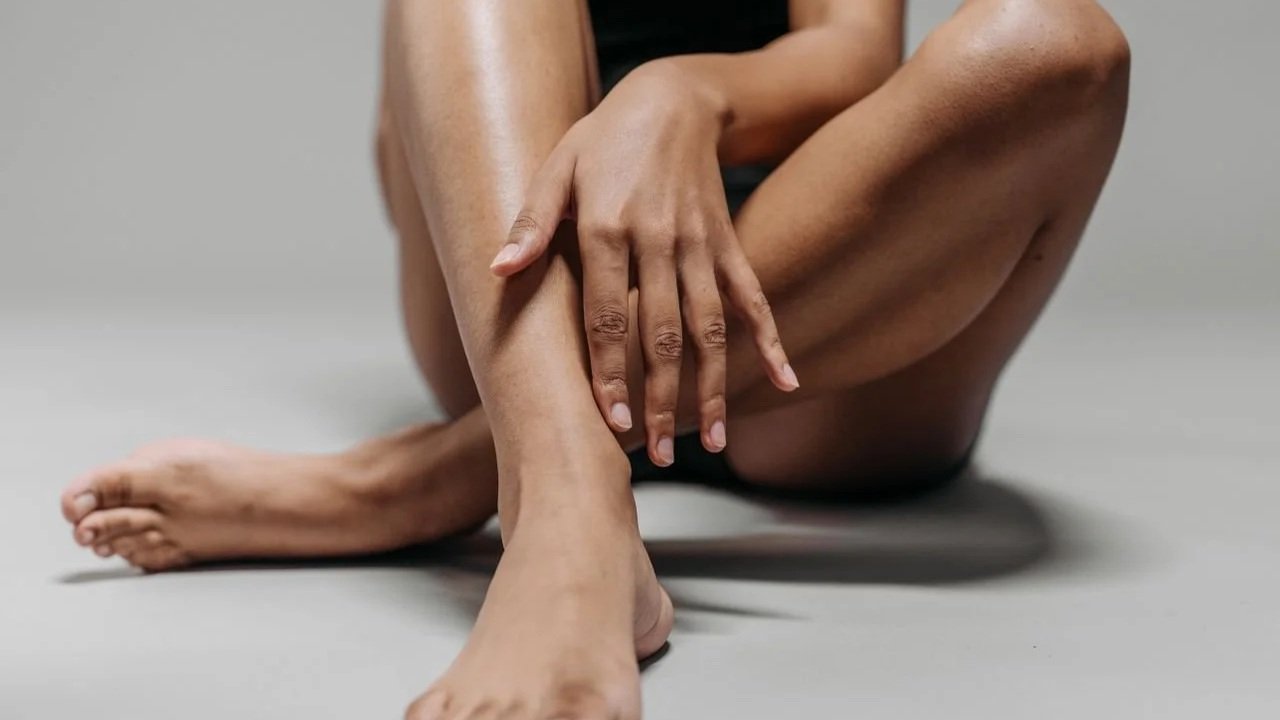
Clients often arrive with a simple warning: “My skin is really sensitive.”
That is helpful, but an experienced waxer will usually want to know more. Does your skin flush easily? Do you develop bumps after shaving? Do you have eczema, acne, or frequent rashes? Are you using retinoids, exfoliating acids, benzoyl peroxide, or prescription skincare? Did you recently have a peel, facial, sunburn, or other treatment? Does irritation happen immediately, later that evening, or several days afterward?
The timing and appearance of a reaction can tell us more than the label “sensitive.”
Skin that becomes pink right after waxing and calms down fairly quickly is behaving differently from skin that feels hot, stays angry, or develops worsening bumps over the next few days. A few tiny red dots around freshly waxed follicles can be a temporary response. A spreading rash, blistering, drainage, or increasing pain deserves a different level of attention.
This is one reason communication matters so much. Your waxer cannot see the retinol you used three nights ago or know that you spent the morning in a hot yoga class unless you mention it. Babe, this is not the time to protect your skincare routine’s reputation. Tell us everything.
What Waxing Actually Asks Your Skin to Do
Waxing removes hair from the root, but the skin around that hair is involved in the process too. The area may experience temporary warmth, redness, tenderness, or small bumps as it settles.
That response can be more noticeable in areas with dense or coarse hair, such as the bikini line or underarms. Facial skin may react for a different reason: it is often exposed to more active skincare ingredients, makeup, sun, and frequent cleansing. The back and chest can be more prone to sweat and friction. Inner thighs may deal with constant rubbing from clothing or movement.
So, no, your face, Brazilian area, and back are not required to react the same way. They did not hold a meeting and agree on one skin personality.
The condition of your skin before the appointment also matters. Well-supported skin generally handles a service differently from skin that is already dry, over-exfoliated, sun-exposed, irritated, or inflamed. Waxing is not happening in a vacuum. It is joining whatever your skin has been dealing with all week.
The Biggest Factors Behind Redness, Bumps, and Irritation
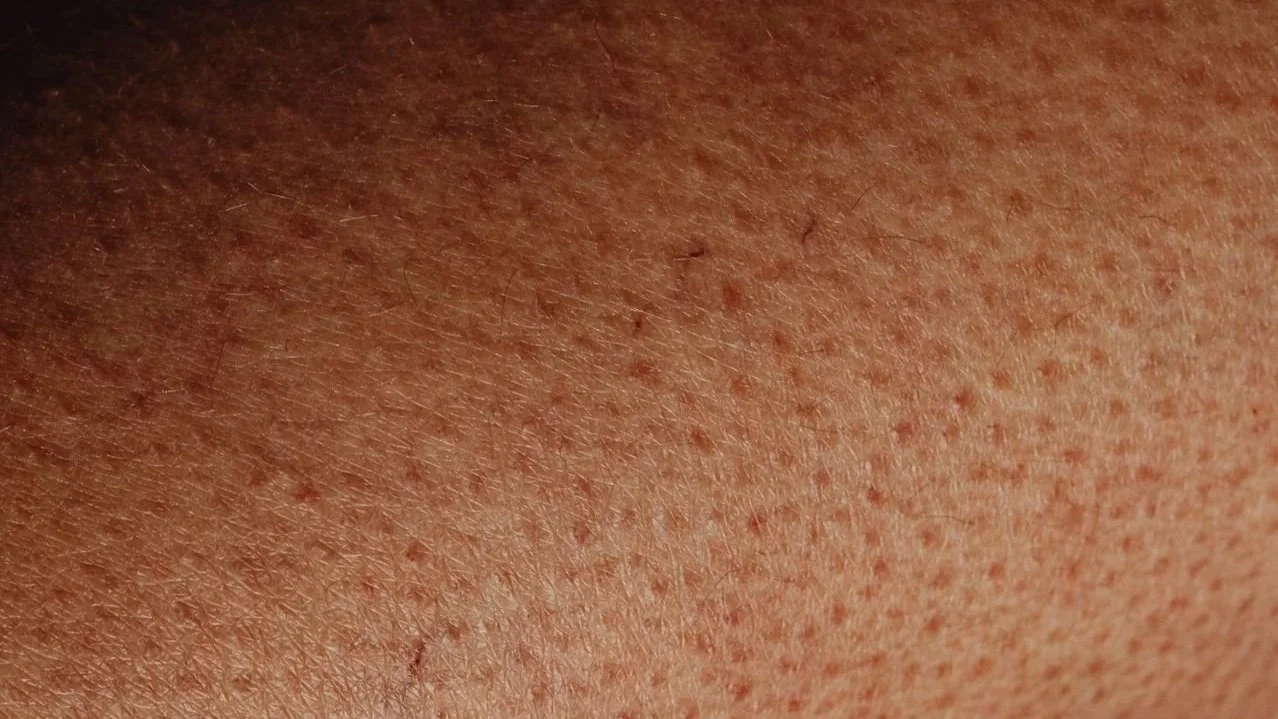
Post-wax irritation is usually not caused by one single thing. More often, several small factors stack up.
Your Skincare May Be Stronger Than Your Skin Can Comfortably Manage
Retinoids, exfoliating acids, acne products, prescription medications, peels, and other resurfacing treatments can make skin more vulnerable to irritation. This matters most with facial waxing, but any medication or treatment affecting the skin should be discussed before waxing.
The Waxing Collective specifically asks facial-waxing clients to disclose and pause potentially irritating products according to professional or prescribing guidance before an appointment. The studio lists retinoids, AHAs, BHAs, benzoyl peroxide, salicylic acid, glycolic acid, Accutane, and dermatologist-prescribed medications among the products that may change whether or when facial waxing is appropriate.
Stopping a product for a random amount of time based on something you saw online is not the goal. The safe pause can depend on the ingredient, strength, area, and your skin. Ask your waxer, dermatologist, or prescribing professional rather than guessing.
Over-Exfoliation Can Look Like “Extra-Sensitive Skin”
A common mistake is trying to scrub the skin into perfect condition before a wax.
Clients sometimes exfoliate more aggressively because they are worried about ingrown hairs, then arrive with skin that already feels tight, dry, or tender. Wax is now being applied to an area that has had very little time to recover.
Exfoliation can support a waxing routine, but more is not automatically better. A bikini scrub, exfoliating towel, body acid, rough washcloth, and dry brush do not all need to audition for the same job on the same night.
Watch how your skin responds. Stinging when you apply plain moisturizer, shiny or unusually tight skin, flaking, or persistent redness can be signs that your routine needs to calm down before adding another treatment.
Dryness Weakens Your Margin for Error
Dry skin is not always visibly flaky. It may just feel tight, rough, itchy, or easily irritated. In the bikini area, dryness can exist alongside sweat. In the underarms, it can show up even though the area feels moist during the day.
Regular hydration helps skin stay more comfortable between appointments. That does not mean coating the area in a heavy fragranced lotion right before your wax. It means maintaining a simple routine over time with products that work for the area and do not repeatedly trigger congestion or stinging.
The waxing gods appreciate consistency. They are less impressed by panic-moisturizing twelve minutes before your appointment.
Heat, Sweat, and Friction Keep Reactions Going
Freshly waxed skin usually wants less excitement for a little while.
A hard workout, sauna, very hot shower, tight leggings, snug underwear, or a long sweaty day can add heat and rubbing to skin that is already settling. Around San Jose and Willow Glen, it is common for clients to fit waxing between work, errands, school pickups, workouts, dinner plans, and whatever else the day decides to throw at them. That is real life. It also means appointment timing deserves some thought.
Try not to book your Brazilian immediately before a spin class, a pool day, or six hours in tight shapewear. You do not need to put your life on hold, but giving your skin a quieter window can reduce irritation after a Brazilian wax.
Touching and Picking Turn a Small Issue Into a Bigger One
A bump appears, so you inspect it. Then you touch it again. Then you decide it needs to be squeezed because apparently your bathroom has become a dermatology office at 10:42 p.m.
Please step away.
Picking can damage the skin, increase inflammation, and introduce bacteria from your hands. It can also leave a dark mark long after the original bump would have disappeared. Keep the area clean, use the aftercare recommended for you, and let your waxer know if you are dealing with repeated bumps.
Product Overload Can Be Just as Irritating as No Aftercare
Clients with sensitive skin often buy every product labeled calming, soothing, clean, natural, or gentle. Unfortunately, those words do not guarantee that a formula will agree with your skin.
Fragrance, essential oils, strong acids, rich occlusive creams, or multiple new products layered together can create more problems. Even a product that works well for your legs may be too heavy for your face or bikini line.
Add one new product at a time. That way, should your skin react, you have a better chance of knowing what caused it. A simple routine you can follow consistently usually beats an eight-step routine that changes every week.
A Little Redness Does Not Mean the Wax “Went Wrong”
One of the most common misunderstandings in sensitive skin waxing is that any visible reaction means the service was bad.
Not necessarily.
Temporary pinkness, mild warmth, or small follicular bumps can happen after hair is removed, particularly during a first wax, after a long break, or in an area with coarse hair. Some clients barely turn pink. Others look noticeably flushed and feel completely normal an hour later.
A better way to judge the reaction is to look at intensity, duration, and whether it is improving.
Skin that gradually settles is reassuring. Skin that becomes increasingly painful, develops blisters, has significant swelling, produces pus or drainage, or shows a spreading or worsening rash should not be treated like routine post-wax redness. Contact a qualified medical professional for guidance, especially when symptoms are severe or you are concerned about an allergic reaction, burn, or infection.
Your waxer should also know what happened before your next appointment. Photos taken in clear lighting can be helpful because the skin may look different by the time you are able to discuss it.
What Actually Helps Before Your Appointment

The best sensitive-skin routine is not dramatic. It is thoughtful.
In the days leading up to your appointment, pay attention to how the area feels. Avoid waxing over sunburned, broken, peeling, or actively irritated skin. Follow professional guidance around prescription products and strong skincare ingredients. Keep the skin comfortably moisturized, but arrive clean and without a thick layer of oil, lotion, sweat, or product buildup.
Let the hair grow long enough for the wax to grip. Shaving between appointments may feel like a quick fix, but it can create mixed hair lengths and send you back into the stubble-and-irritation cycle you were trying to escape.
Most importantly, tell your waxer about changes. A product you have used for years may have been reformulated. A new medication may affect your skin. Hormonal shifts, pregnancy, postpartum changes, illness, stress, travel, and weather can all change how an appointment feels, even when your last wax was easy.
Your skin is allowed to have a different day.
What Helps After Waxing Without Turning It Into a Full-Time Job
Immediately after your appointment, keep things simple. Avoid unnecessary heat, heavy sweating, rubbing, and tight clothing while the area feels reactive. Keep your hands off the freshly waxed skin. Use the aftercare products and timing recommended for your specific area rather than rushing home to exfoliate.
Exfoliation is usually part of long-term bump prevention, not an emergency response performed the minute you see redness. Give the skin time to settle first. When you restart, use the method and frequency that fit your skin instead of assuming a stronger scrub will create faster results.
The Waxing Collective offers personalized pre-care and aftercare guidance rather than treating every client and every body area the same. The studio also carries ingrown-hair and skincare options, including serum, oil, scrub, moisturizer, and an exfoliating towel, so recommendations can be matched to the concern instead of handed out as a one-product-fixes-everything solution.
A Hydrojelly mask can also be added to certain Brazilian, bikini, and full-face services for clients who want a calming, hydrating finish. It can be a lovely add-on, but it does not replace honest communication, appropriate prep, or a consistent home routine.
What an Experienced Waxer Notices That You May Not
Clients usually judge their skin by what they can see in the mirror. A waxer is also paying attention to how the skin behaves during the service.
Does it become pink immediately or only after repeated contact? Does the skin look dry and tight? Is there product buildup around the hair? Are there signs of recent shaving, picking, or aggressive exfoliation? Does one section react more than another? Is the irritation located where clothing rubs rather than across the entire waxed area?
Those details help shape the service and the advice that follows.
They also help separate a one-time reaction from a repeatable pattern. Maybe your bumps happen only after evening appointments followed by the gym. Maybe facial redness appears when you forget to pause a certain active. Maybe your bikini line does well until you wear tight workout shorts all weekend. Sometimes the solution is not a new product. It is changing one habit at the right time.
With more than 15 years specializing in professional waxing and over 20 years in the beauty industry, The Waxing Collective’s approach is based on hands-on experience, client education, and one-on-one care. Clients see the same experienced provider, can ask questions without being rushed, and receive guidance that looks beyond hair removal to ongoing skin health.
That consistency matters for sensitive skin because your waxer gets to know your normal. She can remember that your underarms flush quickly but settle well, that your face needs extra caution around active skincare, or that one aftercare product worked better for you than another.
You Are Not “Too Sensitive” for the Conversation
Some people with sensitive skin are good candidates for waxing. Some need modifications, better timing, or a calmer routine first. Occasionally, the safest choice is to postpone a service until the skin has healed or a medical professional has weighed in.
None of that is a failure.
The goal is not to force every appointment through because it is on the calendar. The goal is healthy, confident skin and a waxing routine that makes sense for your body.
At The Waxing Collective, Brazilian, bikini, facial, and body waxing appointments in San Jose are kept personal, welcoming, and judgment-free, with questions encouraged and each service centered on the client’s skin, preferences, and comfort.
So bring up the redness. Mention the bumps. Tell your waxing expert what happened after the last appointment and what you have been using at home. Sensitive skin does not need shame, panic, or a shelf full of random products.
It needs attention, patience, and a routine your skin can actually live with.
Trust the process, wax babe. Your skin will thank you.
