
Bikini Area Discoloration After Waxing: Why It Happens and What Helps
Bikini area discoloration can be frustrating because it often seems to appear after you started doing something that was supposed to make the area look and feel smoother.
You stop shaving. You begin waxing. The hair removal part improves, but then you notice brown, grayish, reddish, or uneven patches along the bikini line. Naturally, the first question is: Did my waxing appointment go wrong?
Sometimes waxing is part of the story, but it usually isn’t the whole story.
Discoloration can develop after inflammation, ingrown hairs, repeated friction, picking, aggressive exfoliation, or a combination of several small irritations happening over time. The bikini area also deals with sweat, snug clothing, movement, and hair removal, all while being expected to remain perfectly calm.
The good news is that bikini area discoloration after waxing doesn’t automatically mean your skin is damaged permanently or that you need to stop waxing. It does mean we need to look beyond the dark spot itself and figure out what keeps triggering the skin underneath it.
First, Your Bikini Area Is Not Supposed to Be One Perfectly Even Color

Let’s start here because body-image pressure sneaks into this conversation very quickly.
The skin around the bikini line, inner thighs, and external intimate area naturally varies in color. Hormones, genetics, skin tone, friction, age, and ordinary changes in the body can all affect pigmentation. It is completely normal for this area to look different from the skin on your stomach or legs.
Social media, filters, edited photos, and beauty marketing have created some very unrealistic expectations about what unedited skin looks like. Real skin has texture. Real skin has follicles. Real bodies have areas of lighter and darker pigmentation.
At The Waxing Collective, the goal isn’t to make you feel as though there’s something embarrassing or “wrong” with your body. EveryBODY is welcome in the wax room.
The more helpful question is whether the color has always been part of your normal skin tone or whether you are seeing newer dark marks that appeared after bumps, irritation, or repeated hair removal. That distinction matters.
What Post-Wax Dark Spots Usually Are
One common reason for dark spots after waxing is post-inflammatory hyperpigmentation, often shortened to PIH.
That sounds clinical, but the basic idea is simple: the skin becomes inflamed, and after the irritation settles, extra pigment remains behind. PIH can follow many kinds of skin inflammation, including acne, ingrown hairs, scratching, picking, burns, and other forms of irritation. It is especially common and often more noticeable in medium and deeper skin tones. (American Academy of Dermatology)
The spot itself may be flat. It might look tan, brown, deep brown, grayish, reddish, or purple depending on your skin tone and how recently the inflammation occurred.
Waxing removes hair from the root, so temporary redness or sensitivity can happen even during a properly performed service. In many cases, that reaction settles without leaving any lasting color change.
The problem begins when the skin experiences more inflammation than it can comfortably manage, or when it keeps getting irritated before it has fully settled.
That’s why the dark spot may not be caused by one wax appointment. It may be the visible result of a cycle:
Irritation leads to a bump.
The bump gets picked.
The skin becomes inflamed.
Friction keeps rubbing the area.
A dark mark remains.
Then the same cycle happens again a few follicles away.
Over time, several individual marks can start to look like one larger patch of bikini area discoloration.
The Biggest Causes Aren’t Always the Ones Clients Expect
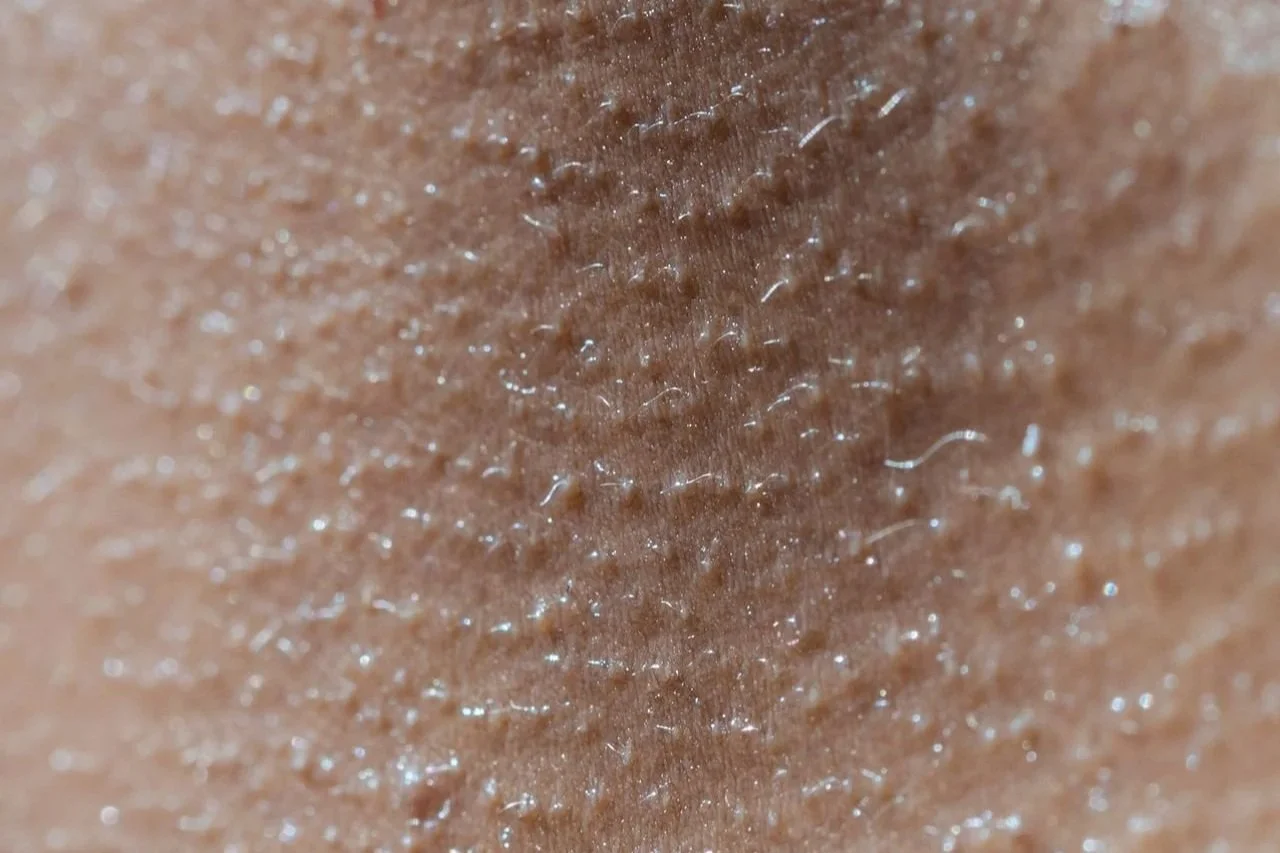
Clients sometimes assume that discoloration means the wax was too hot or that the hair was removed incorrectly. Poor technique can certainly injure skin, but many pigmentation concerns develop between appointments rather than during the wax itself.
Here are the factors we look at most often.
Ingrown Hairs and Recurring Bumps
An ingrown hair develops when a growing hair curves or becomes trapped beneath the skin instead of exiting cleanly. The area may become raised, tender, itchy, or inflamed.
Once that inflammation resolves, it can leave behind a flat dark mark.
A client may say, “I have dark spots from waxing,” but when we look at the pattern, nearly every spot sits where an ingrown hair used to be. In that situation, aggressively treating the pigmentation without addressing the recurring ingrowns misses the main problem.
We need to stop creating new marks while the older ones have time to fade.
Picking, Squeezing, and At-Home Excavation Projects
I know it’s tempting.
You see a hair just beneath the surface. You grab tweezers. Five minutes later, you’re performing bathroom surgery with questionable lighting and the confidence of someone who has watched half of a skincare video.
Picking creates additional trauma. Even when you successfully release the hair, digging, squeezing, or repeatedly scraping the area can increase inflammation and make a darker mark more likely. The American Academy of Dermatology similarly warns that picking inflamed skin can prolong healing and raise the risk of dark spots. (American Academy of Dermatology)
A hair that is already breaking through the surface may be handled differently from one buried under inflamed skin. When in doubt, leave it alone and ask your waxer or a qualified skincare professional.
Friction From Clothing and Movement
The bikini area experiences constant rubbing from underwear, leggings, shapewear, workout clothes, swimsuits, and thigh-to-thigh movement.
Friction doesn’t mean you’re doing anything wrong, and it certainly isn’t limited to one body type. Bodies move. Clothing rubs. That’s normal.
But chronic rubbing can keep recently waxed or ingrown-prone skin irritated. Tight, non-breathable clothing immediately after waxing may also trap heat and sweat against already-sensitive follicles.
One pair of leggings isn’t likely to create dramatic pigmentation overnight. Repeated friction on the same irritated areas, however, can contribute to a longer pattern of discoloration.
Over-Exfoliating Because You Want Faster Results
Dark spots make people impatient. Impatience makes people exfoliate like they are trying to remove a layer of paint.
More scrubbing does not equal faster fading.
A rough scrub, exfoliating towel, chemical exfoliant, and brightening serum all used together can overwhelm the skin. The area may feel smooth for a day or two, but underneath, it can become dry, inflamed, itchy, or tender.
Then you have more irritation, which can create more pigment.
Exfoliation should support healthy hair growth and skin turnover, not leave the bikini line feeling raw. The right frequency depends on your skin, your products, and where you are in your waxing cycle. Immediately after waxing is not the time to attack the area with every active ingredient in your cabinet.
Products That Are Too Harsh, Too Fragranced, or Simply Wrong for You
A product can be popular, natural, expensive, or labeled for the bikini area and still irritate your skin.
Fragrance, essential oils, strong acids, alcohol-heavy formulas, and highly concentrated treatments may cause problems for some clients. Even ingredients that work well elsewhere on the body can feel very different on freshly waxed bikini skin.
Tingling is not always proof that a product is working. Sometimes it is your skin asking you to please stop.
This is also why copying another person’s routine can backfire. Your friend’s favorite exfoliating product may be far too strong for your skin, while a product she finds “too gentle” may be exactly what your skin tolerates consistently. A product you saw on TikTok may have never even been tested.
Inconsistent Hair Removal
Switching back and forth between waxing and shaving can create its own set of challenges.
Shaving cuts hair at the skin’s surface and may add friction from the razor, repeated passes, or pressure. Waxing removes hair from the root. Moving between the two can make it harder to maintain a predictable growth cycle and may increase the temptation to shave over irritated or uneven regrowth.
That doesn’t mean someone who shaves occasionally is doomed to discoloration. It means we should consider the entire routine rather than blaming one wax appointment.
Consistency is key not because your skin needs perfection, but because predictable habits make it easier to understand what is helping and what is causing problems.
Waxing Doesn’t “Bleach” or Automatically Darken the Skin
Two opposite misconceptions come up in the wax room.
One is that waxing will automatically brighten the bikini area by removing the top layer of dark skin. The other is that waxing always causes the area to become darker.
Neither statement is accurate for everyone.
Waxing removes hair and can lift some surface skin cells, but it is not a treatment for pigmentation. A smoother, hair-free surface may look brighter temporarily because there is no dark stubble or shadow. That visual change is not the same as treating pigment within the skin.
At the same time, a professionally performed wax does not automatically create hyperpigmentation. Many clients in San Jose wax consistently without developing dark spots.
Your skin’s inflammatory response, history of ingrown hairs, product routine, friction, picking habits, and individual tendency toward pigmentation all influence what happens afterward.
What Actually Helps Bikini Area Discoloration After Waxing
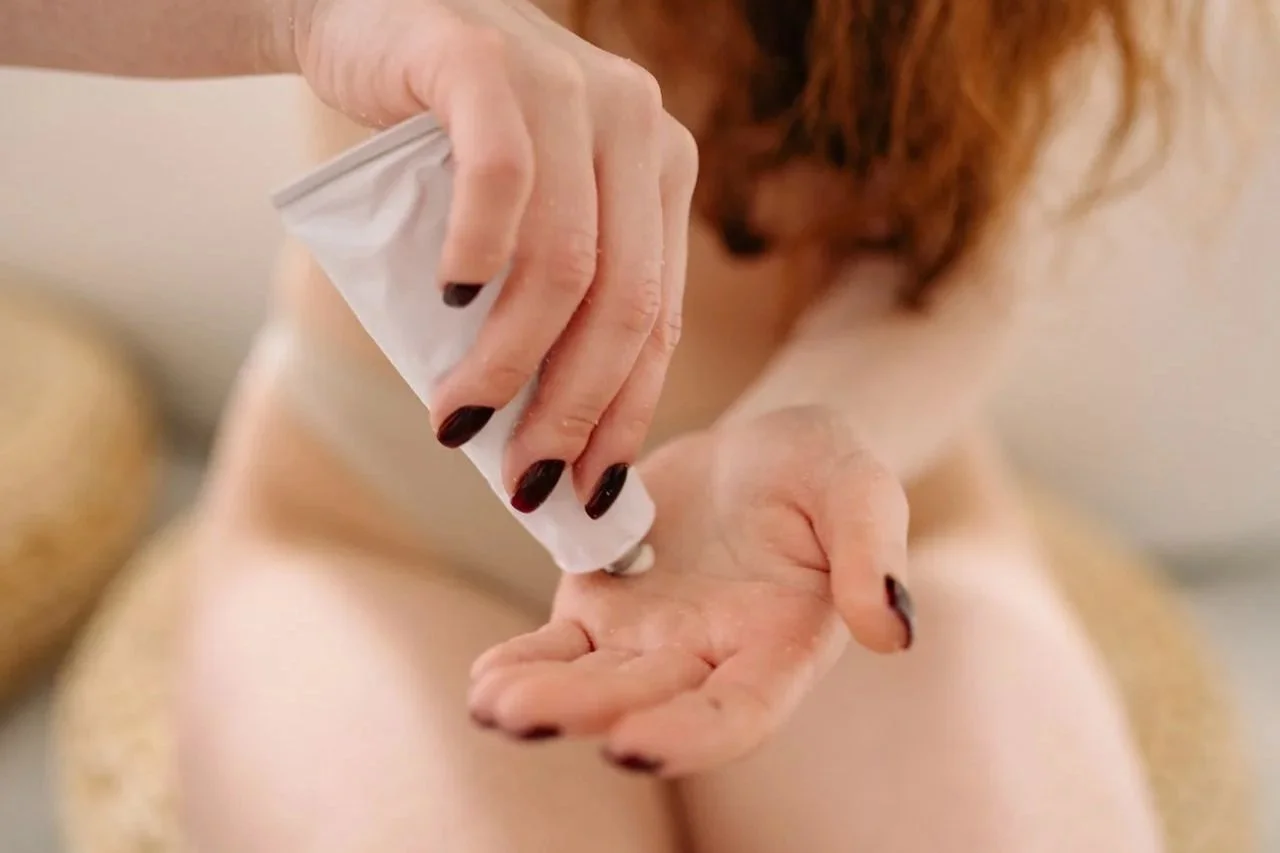
The most useful plan is usually less dramatic than the internet makes it sound.
We focus on reducing new inflammation, supporting the skin barrier, keeping regrowth from becoming trapped, and giving existing marks time.
Let Freshly Waxed Skin Settle
Right after a bikini or Brazilian wax, the priority is calm skin, not brightening.
Avoid piling on exfoliating acids, strong scrubs, retinoids, fragranced products, or untested home remedies. Keep the area clean, cool, and comfortable. Follow the aftercare guidance given by your waxing professional, especially if your skin tends to react easily.
Freshly waxed skin may be more sensitive than usual. Introducing a strong pigment product during that window can turn a small concern into a much bigger irritation.
Use a Consistent, Skin-Appropriate Exfoliation Routine
Once the immediate post-wax sensitivity has settled, regular exfoliation may help prevent dead skin buildup from trapping new hair.
The word regular matters more than aggressive.
Some clients do well with a gentle physical exfoliant. Others benefit from a carefully chosen chemical exfoliant. Some use a combination on different days. The correct approach depends on your sensitivity, history of ingrown hairs, and the products already in your routine.
At The Waxing Collective in San Jose, aftercare is personalized because one routine doesn’t fit every client. Our wax center carries ingrown hair serum, ingrown hair oil, bikini scrub, bikini moisturizer, and an exfoliating towel, but that doesn’t mean every person should use every product at once. The goal is to choose what supports your skin instead of creating a seven-step bikini routine you’ll abandon by Thursday.
Keep the Skin Hydrated
Dry, tight, irritated skin often has a harder time maintaining a comfortable regrowth process.
A suitable moisturizer can support the skin barrier and help reduce the dryness that sometimes leads clients to scrub more aggressively. Hydration doesn’t directly erase established pigment overnight, but it helps create a healthier environment while the skin recovers.
Oil and moisturizer are not always interchangeable. An oil can help soften and condition, while a moisturizer may provide water-based hydration and barrier support. Which one makes sense depends on the formula and your skin.
Stop Creating New Marks… Seriously, Stop
This may be the most important part.
You can use a brightening product faithfully, but if you continue picking three ingrowns every week, the area may never appear to improve. Older spots may be fading while new ones keep replacing them.
Progress is easier to notice when the cycle of inflammation slows down.
That may mean:
Leaving bumps alone
Avoiding shaving between appointments
Wearing breathable clothing after waxing
Reducing friction where possible
Using aftercare products consistently rather than randomly
Adjusting any product that burns, stings, or leaves the area chronically dry
It isn’t glamorous advice, but it works better than chasing a miracle bottle.
Give Pigment Time Since Post-inflammatory dark marks often fade gradually, not in a few days
How long that takes varies widely. The depth of the pigment, your natural skin tone, the frequency of new inflammation, and your skincare routine all play a role. Flat marks may improve with time, but continued irritation can make them persist or deepen.
Take progress photos in similar lighting every few weeks rather than checking the area every morning. Daily changes are hard to see. Comparing month to month gives you a more honest picture.
And please don’t measure your progress against an edited before-and-after photo from someone with completely different skin.
What We Commonly See in our Wax Room in San Jose
A very common scenario is a client who believes waxing is making her skin darker, but the discoloration is concentrated exactly where she gets recurring ingrowns.
She may be waxing every four to six weeks, but between visits she alternates between doing nothing and panic-scrubbing. When a bump appears, she picks it. Then she applies a strong spot treatment. The skin gets dry, so she scrubs again.
No single step seems extreme at the moment. Together, they keep the area inflamed.
In that case, the answer isn’t necessarily to stop waxing. It may be to simplify the routine, improve ingrown prevention, reduce picking, and use products on a schedule the skin can actually tolerate.
This is where seeing the same provider consistently helps. Your waxer can notice patterns from one appointment to the next. Is the skin calmer? Are there fewer active bumps? Is discoloration appearing in areas of friction? Are you reacting to a new product?
At The Waxing Collective in San Jose’s Willow Glen neighborhood, clients receive one-on-one care from the same experienced provider. With more than 15 years specializing in professional waxing, that continuity makes it easier to look beyond hair removal and track how the skin is behaving over time.
When Discoloration Needs More Than Waxing Advice
A waxer can help you improve your hair-removal routine, reduce common triggers, and choose appropriate aftercare, but a waxer should not diagnose a medical condition.
Contact a dermatologist or other qualified healthcare professional when the area is:
Painful, hot, swollen, or worsening
Developing deep lumps, draining bumps, or recurring sores
Intensely itchy, scaly, or spreading
Changing color or texture without an obvious link to irritation
Becoming thickened or velvety rather than simply showing flat marks
Not improving despite a gentle, consistent routine
Not every dark patch is post-inflammatory hyperpigmentation. Skin conditions, hormonal factors, medication, contact irritation, and other health concerns can also change pigmentation. Getting the right diagnosis is much safer than experimenting with stronger and stronger products.
Seek professional care promptly for severe pain, blistering, open skin, signs of infection, or a reaction that continues to worsen after waxing.
A Better Goal Than “Perfect” Bikini Skin
Healthy bikini area skin does not have to be poreless, hairless every day, or identical in color from one inch to the next.
A more realistic goal is skin that feels comfortable, recovers well after waxing, develops fewer ingrown hairs, and isn’t trapped in a constant cycle of irritation.
That takes consistency. It also takes a little patience, which I know is not nearly as exciting as a product promising overnight results.
Bikini area discoloration after waxing can improve, especially when you stop focusing only on the visible dark spot and start addressing what caused the inflammation. Gentle care, thoughtful exfoliation, hydration, less picking, reduced friction, and a regular waxing schedule can all support better long-term results.
Your skin isn’t failing you, babe. It may simply be reacting to more than you realized.
Listen to what it’s telling you, keep the routine manageable, and trust the process.
